Shipping companies already grappling with the Iran war are facing a new threat as unscrupulous fuel suppliers flood the market with tainted oil.
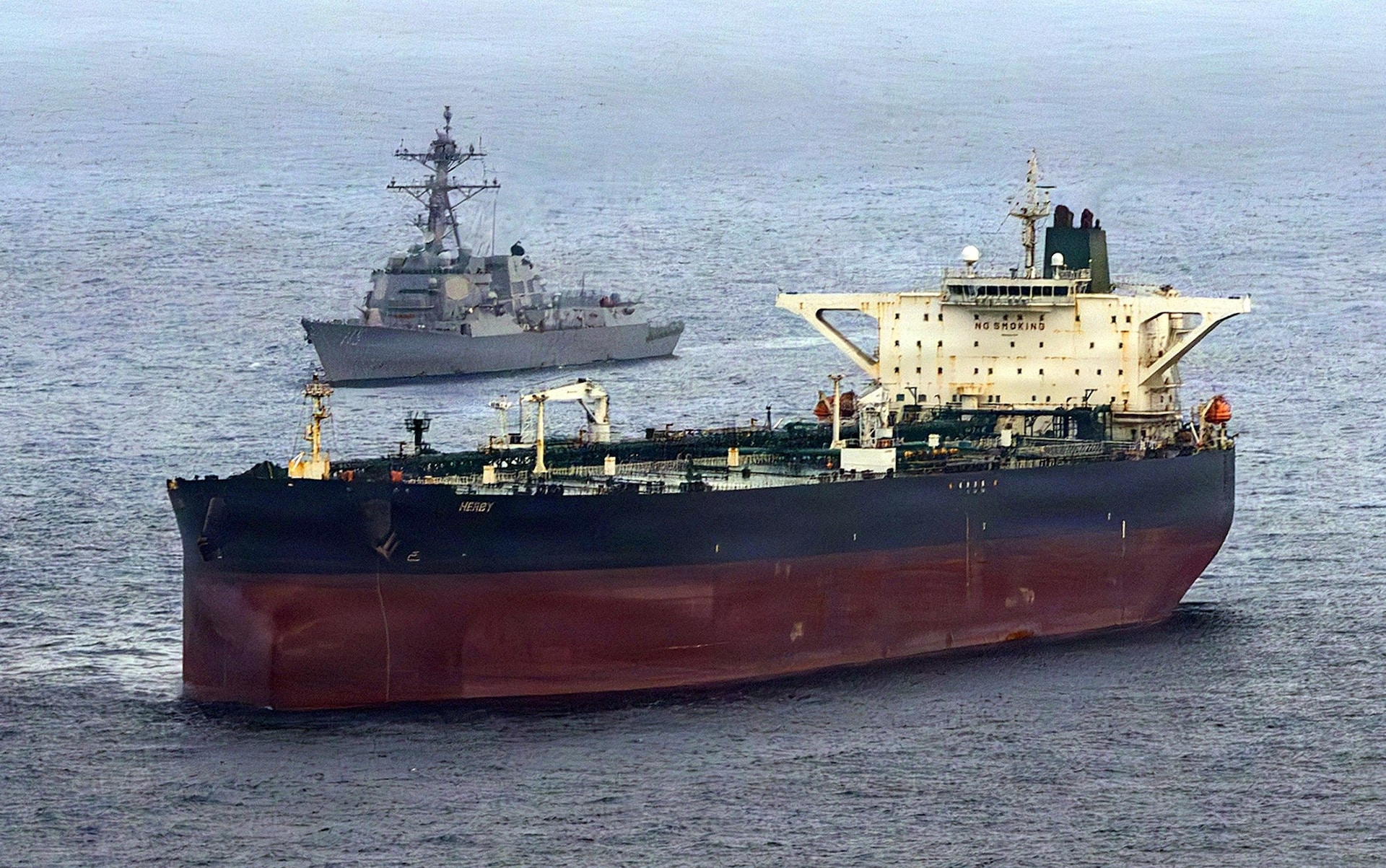
There has been a sharp uptick in incidents of tankers breaking down in recent weeks. Experts have blamed it on marine fuel that has been cut with impure shale oil as suppliers react to surging fuel prices following the closure of the Strait of Hormuz.
A fifth of the world’s oil and gas typically passed through the crucial trade artery before the war.
The tainted blend can lead to “sludging”, where fuel becomes more viscous. This can clog engines and cause them to stutter or even grind to a halt.
The problem has been most evident in Singapore, the world’s biggest hub for marine fuel, with reports of vessels encountering engine issues after taking on supplies.
At least three oil tankers were among ships to have suffered sludging and fuel pump failure after refuelling in the Asian port last month, Lloyd’s List reported.
Subsequent analysis revealed that regular marine fuel had been cut with shale oil from Estonia, which is regarded as too impure for most engines.
Cichen Shen, an expert at Lloyd’s List, said the problem was a direct result of the closure of the strait and the effect on fuel costs, with Singapore normally deriving 40pc of its supply from the Middle East.
He said: “Prices have been rising sharply and sellers are looking to cut corners by blending bunker fuels with cheaper components.
“This is having a profound impact on vessels which have been reporting sludging of engines and fuel pumps which are causing operational issues.”
Veritas Petroleum Services, a specialist testing agency, found increased levels of shale oil in 90,000 tons of fuel – enough to fill the tanks of 10 very large crude carriers – uploaded between February and March.
Marine insurer Skuld last week urged companies to vet suppliers and test bunker fuel in advance after identifying issues in Hong Kong and Malaysia, as well as Singapore.
It said analysis had revealed elevated levels of hydrocarbon compounds in fuel that had otherwise met international standards.
Skuld said the findings were consistent with the presence of shale oil-derived components beyond levels typical of marine fuels and with the potential to cause sludging.
Traditional fuel used by modern ships more than doubled in price in Singapore after the US and Israel launched their attacks on Iran. Prices have eased somewhat in recent weeks but remain around 50pc higher, compared with a 35pc increase for crude.
Lloyd’s List warned that while the prevalence of tainted fuel had been triggered by high pricing, fuel shortages that could take hold in coming months would make the situation far worse.