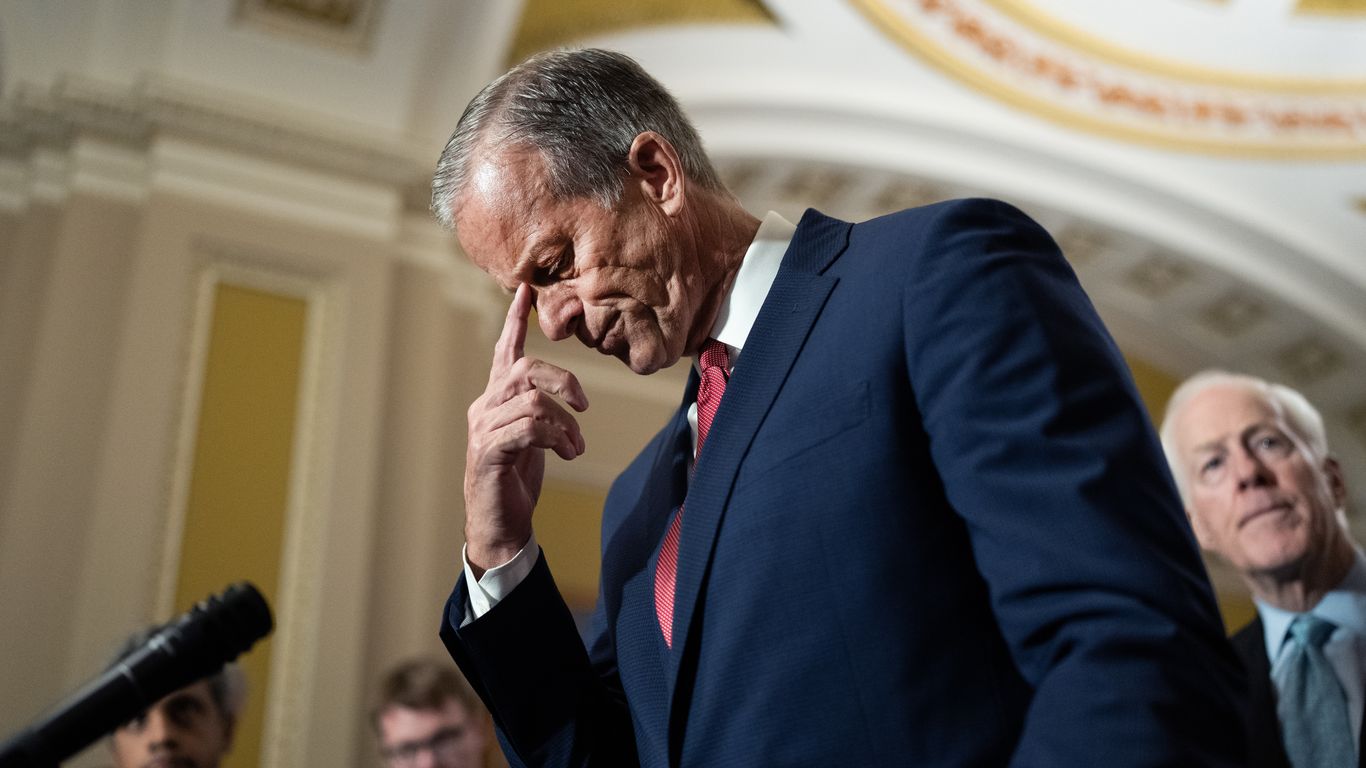
The Senate advanced legislation aimed at ending U.S. military involvement in Iran after Republican Sen. Bill Cassidy broke ranks following his primary defeat, giving the measure enough support to move past an initial procedural hurdle, according to reporting from the Associated Press.
The vote does not represent final passage, but rather allows the chamber to formally take up debate and prepare for a later final vote on the war powers resolution, congressional aides and lawmakers said in accounts cited by multiple outlets including the AP.
The measure would require the administration to seek congressional authorization for continued or expanded military operations involving Iran, reflecting ongoing disputes between Congress and the White House over War Powers Act limits.
Even with Cassidy’s switch, Republican leadership is expected to oppose final passage, and most GOP senators have consistently argued the resolution would constrain the president’s authority in ongoing national security operations.
Democrats and a small group of Republicans backing the measure have repeatedly used procedural votes to force Senate consideration of war powers restrictions, a strategy aimed at increasing political pressure rather than immediately changing policy outcomes, according to congressional aides quoted by the AP.
If the Senate ultimately approves the resolution, it would still face a difficult path in the House, where similar measures have previously stalled under Republican leadership.
Even if both chambers were to pass the measure, President Donald Trump has signaled opposition to limiting executive authority over military actions involving Iran, making a veto highly likely, according to prior White House statements and reporting by major outlets.
Overriding a veto would require a two-thirds majority in both the House and Senate, a threshold not currently seen as attainable given existing partisan divisions on war powers authority.
The next steps now center on a final Senate vote after debate concludes, followed by potential House consideration, though the measure’s ultimate prospects remain uncertain despite advancing past its initial procedural stage.
© 2026 Newsmax. All rights reserved.