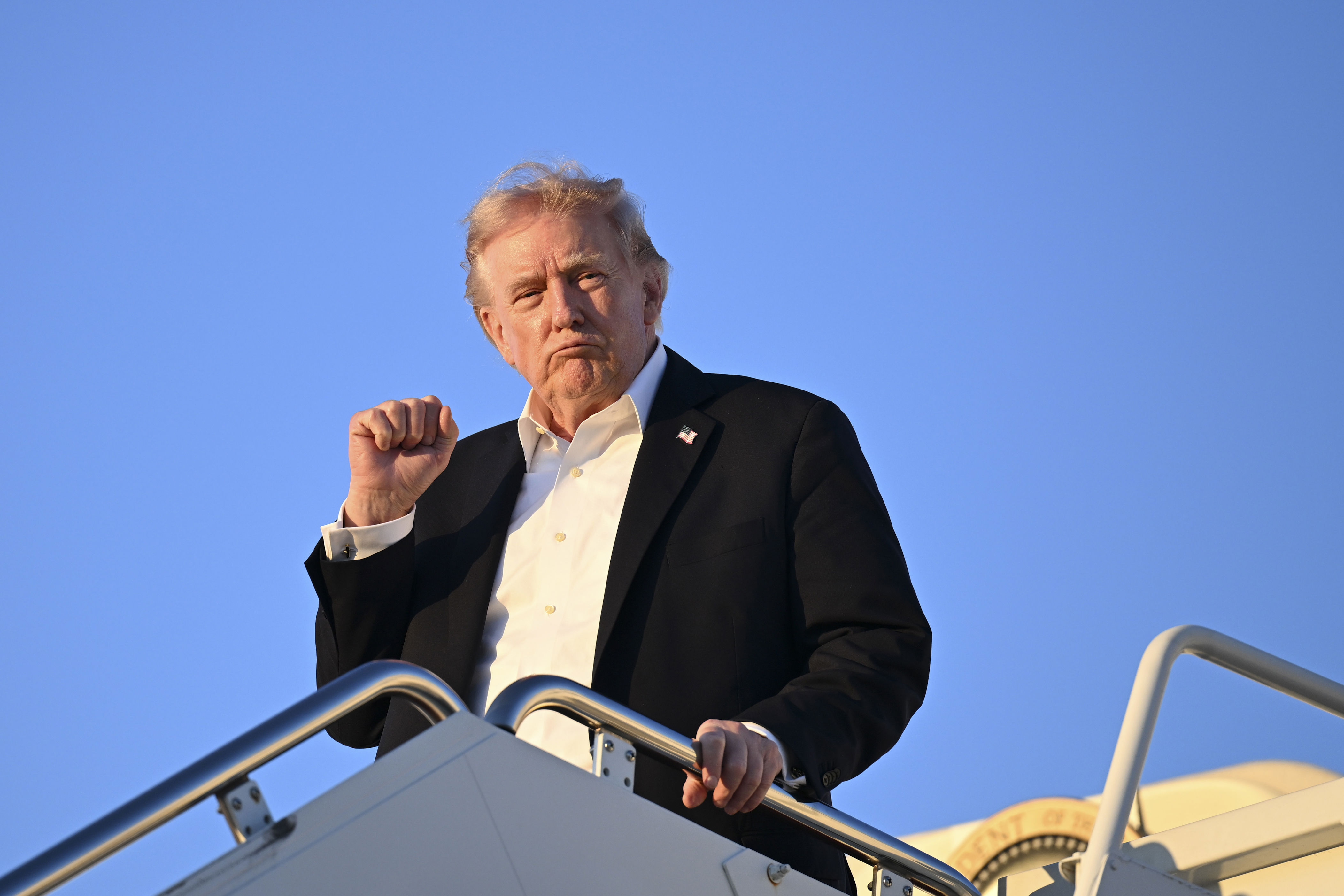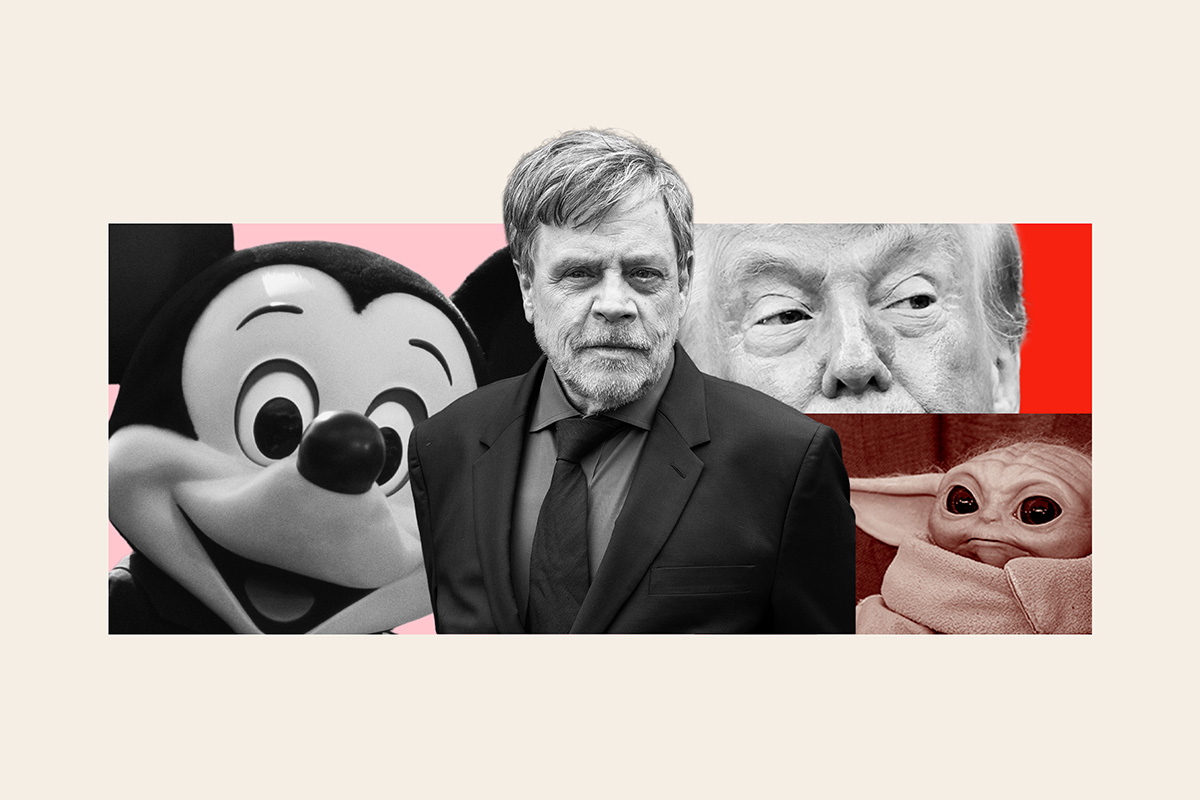
The White House has condemned Star Wars actor Mark Hamill as “one sick individual” after the 74‑year‑old shared—and later deleted—an AI‑generated image depicting President Donald Trump lying in a shallow grave, accompanied by the words “if only.”
Hamill, best known for portraying Star Wars hero Luke Skywalker, removed the image within hours and issued a clarification on social media. “I was wishing him the opposite of dead,” he wrote, adding an apology to anyone who found the image inappropriate. By that point, however, the political and cultural backlash had already taken hold.
The controversy has spilled beyond Hamill himself and into Disney’s orbit, arriving just weeks before The Mandalorian and Grogu returns Star Wars to cinemas for the first time in nearly seven years. While Hamill is not part of the new film’s cast, his decades‑long association with the franchise has ensured that the blowback has attached itself to the Star Wars brand—and by extension, Disney.
Newsweek has contacted Disney for comment a representative for Hamill for comment via email.
What Hamill Posted And How the White House Responded
Hamill posted the AI image on Bluesky, showing Trump in a shallow grave with a headstone marked “1946–2024.” Hamill wrote that Trump “should live long enough to witness his inevitable devastating loss in the midterms, be held accountable for his unprecedented corruption, impeached, convicted & humiliated for his countless crimes. Long enough to realize he’ll be disgraced in the history books, forevermore.”
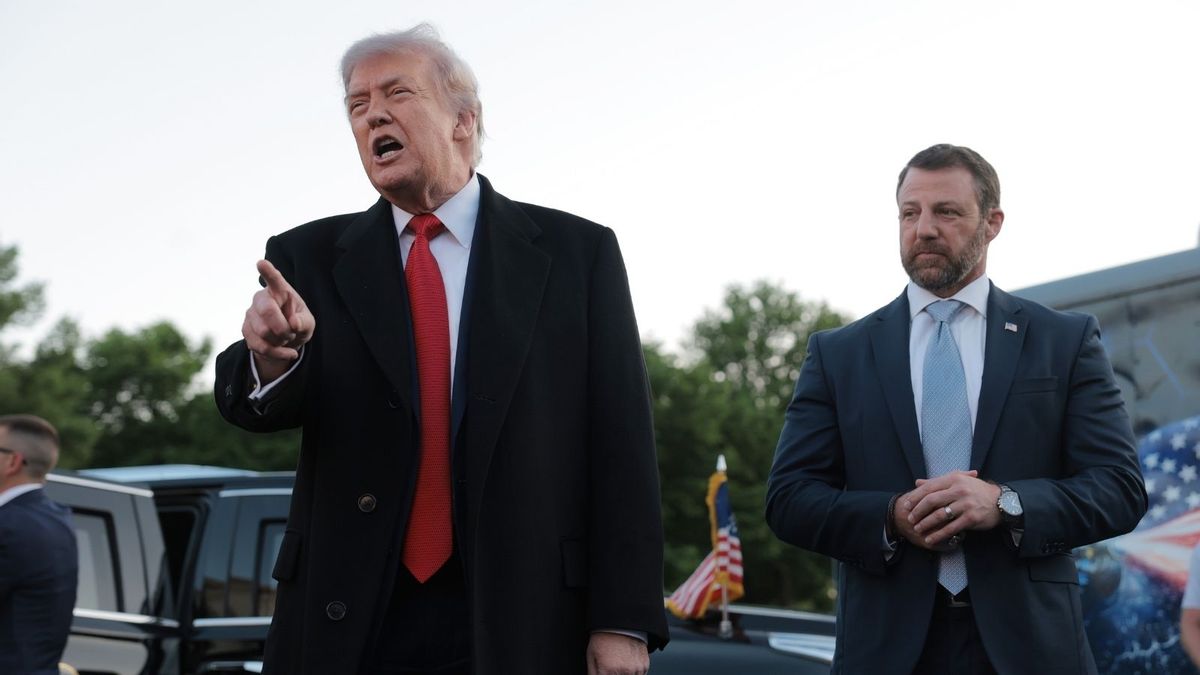
The White House’s rapid‑response team replied publicly on X, calling Hamill “one sick individual,” adding, “These Radical Left Lunatics just can’t help themselves.”
Hamill’s subsequent post deletion and apology did little to slow the reaction online, where conservative activists and commentators rapidly framed the episode as another example of Hollywood’s hostility toward conservatives.
Why Disney Is Getting Pulled In
Hamill has no formal role in The Mandalorian and Grogu, but his identity is inseparable from Star Wars. He previously appeared in a surprise cameo during the second season of The Mandalorian.
That association has been enough to trigger boycott calls aimed squarely at Disney’s upcoming release. Conservative activist Jack Posobiec, affiliated with Turning Point USA, urged followers to boycott the film in a post that garnered hundreds of thousands of views within hours. Other right‑leaning influencers echoed the call.
The episode mirrors a familiar pattern for Disney: controversies not directly tied to a given project still become entangled with its releases, shaping the conversation before audiences ever reach the theater.
A Franchise Returning On Shaky Ground
The timing could hardly be worse from a commercial perspective.
The Mandalorian and Grogu is scheduled to open on May 22, marking Star Wars’ first theatrical release since The Rise of Skywalker in December 2019. Early industry tracking suggests a domestic opening in the range of $80 million over the four‑day Memorial Day weekend, according to reporting by The Hollywood Reporter.
By normal blockbuster standards, that would be a strong debut. By Star Wars standards, it would represent the lowest opening for a live‑action entry in the franchise’s modern history, below 2018’s Solo: A Star Wars Story, which opened to roughly $104 million over the same holiday frame and went on to be widely labeled a financial disappointment.
The reported production budget for The Mandalorian and Grogu is approximately $165 million before marketing, meaning the film will rely heavily on sustained attendance and international performance to justify its theatrical pivot.
Disney, Politics, and a Pattern of Escalation
An entertainment juggernaut, Disney has long been a cultural touchstone.
But in recent years, it has been embroiled in a series of culture wars and controversies. Disney has been frequently criticized by conservatives, and the president himself, for being “woke.” In 2022, Disney became involved in a public spat with Florida Governor Ron DeSantis, in the wake of Florida’s so-called “Don’t Say Gay” legislation, which hurt the company’s standing among conservatives as well as its bottom line.
Some of Disney’s biggest projects of late have been impacted by this mood of political polarization. The live-action remake of Snow White, starring Rachel Zegler, was derided for its attempts to modernize the classic fairytale, panned by critics and flopped at the box office.
Disney has also repeatedly been criticized over late-night host Jimmy Kimmel. His show, Jimmy Kimmel Live!, was suspended by ABC, owned by Disney, in September, over remarks he made about the murder of Charlie Kirk.
The show was later reinstated following criticism of Disney for taking it off the air. In April, Kimmel joked that First Lady Melania Trump had the “glow of an expectant widow.” Disney later confirmed that it received a “call-in” for its owned and operated station licenses for early renewal from the Federal Communications Commission (FCC) amid backlash to the comments, and Trump has pressed ABC to fire Kimmel over the joke, which aired days before a shooting at the White House Correspondents’ Dinner.
Disney confirmed receipt of the FCC order and said ABC and its stations have a long record of compliance with federal broadcasting rules, adding that it is prepared to defend its licenses through appropriate legal channels.
Research commissioned by the news website Puck in 2024 found that Disney’s unfavourability rating was low overall but high in comparison to other companies. The negativity is concentrated on the political right: 30 percent of Republicans and 26 percent of independents view Disney negatively, compared with 8 percent of Democrats.
The Streaming Paradox: Critical Success, Theatrical Uncertainty
The Hamill uproar comes as Star Wars is enjoying one of its strongest critical moments in years on streaming.
Lucasfilm’s animated Disney+ series Star Wars: Maul – Shadow Lord debuted in April with a rare 100 percent critics’ score on Rotten Tomatoes, earning widespread praise and becoming one of the franchise’s most acclaimed recent entries.
The show quickly ranked among Disney+’s most‑watched titles and reinforced the strength of the brand when freed from theatrical expectations.
That contrast underscores the dilemma Disney now faces: Star Wars remains culturally potent, but its ability to command unquestioned blockbuster status in theaters is no longer guaranteed. In such an environment, distractions—from political disputes to social‑media controversies—carry greater weight.
What Happens Next
Whether the Hamill episode materially affects The Mandalorian and Grogu’s box office remains an open question. Online boycott campaigns do not always translate into measurable declines in ticket sales, particularly for globally recognized franchises with broad demographic reach.
Still, the risk is less about lost votes at the margins and more about narrative. Disney is once again entering a major release cycle with its product overshadowed by culture conflict, reinforcing an existing storyline that its biggest franchises are entangled with America’s culture wars.
For a film already tracking below historic Star Wars benchmarks, that is an added complication Disney likely did not need.
The Mandalorian and Grogu opens in U.S. theaters on May 22.
Related Articles