I really wish I knew this sooner.
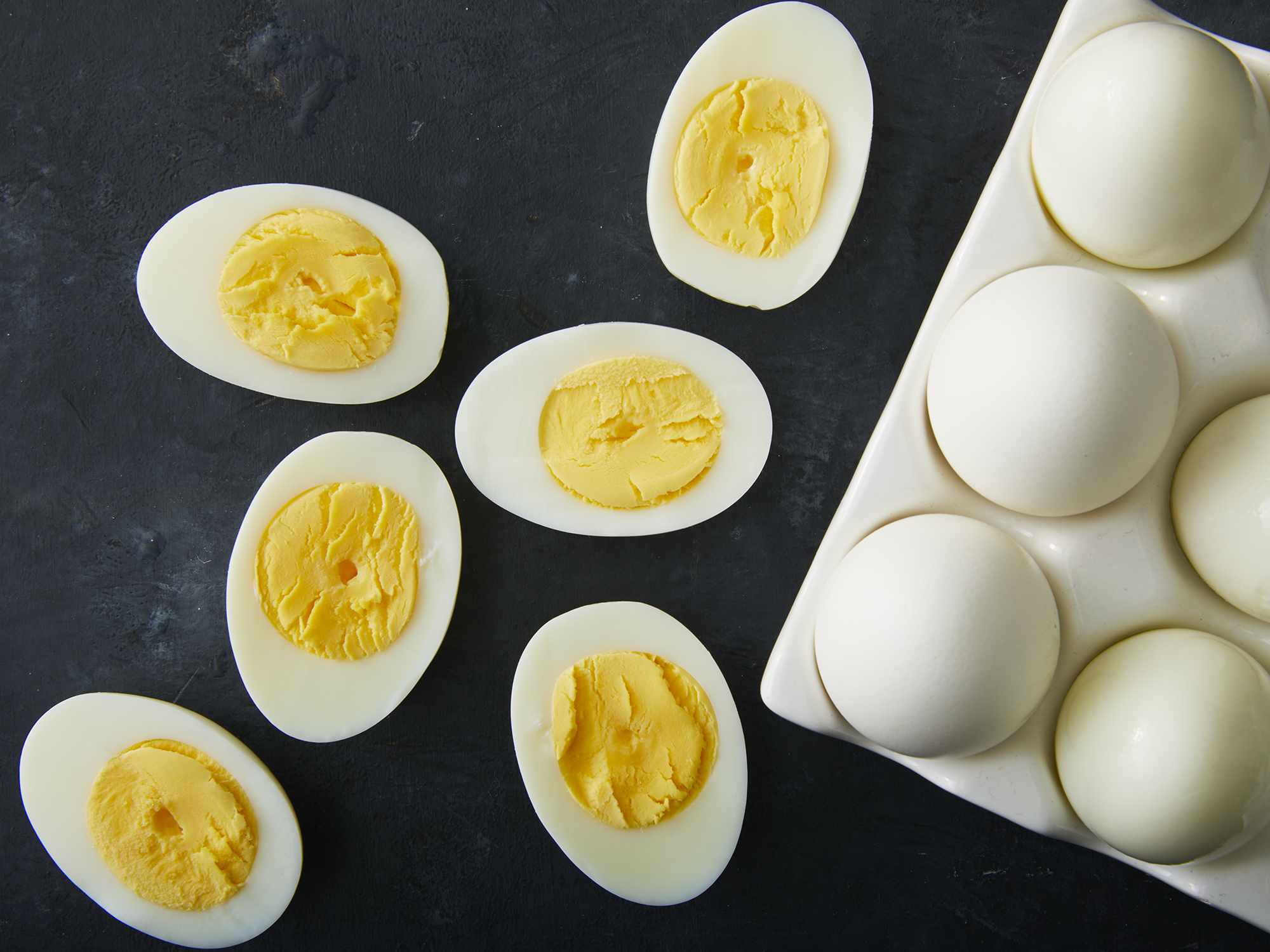
Making hard-boiled eggs seems like one of the simplest things you can do in the kitchen—but it’s actually one of the easiest techniques to fail at miserably. One of the hardest parts of the whole process? Peeling. Fortunately, I recently learned a quick and easy trick that will be an absolute game-changer for your relationship with hard-boiled eggs.
My Easy Trick for Peeling Boiled Eggs
My secret? Vinegar. Adding a splash to the simmering water makes the shells peel right off. Here's my foolproof two-step trick:
- Step 1: Add a splash of white vinegar to the simmering water, then add the eggs.
- Step 2: Once the eggs are fully cooked, use a spider strainer to lift them out of the pot. Submerge them directly into ice to stop the cooking process.
When the eggs are completely cooled, the shells should slip away seamlessly.
Why Does It Work?
White vinegar contains acid, which reacts with the calcium carbonate in an eggshell. The chemical reaction between the vinegar and the shell essentially makes the vinegar eat away at the shell a bit. You can actually see this happen when little bubbles form on the eggshell while boiling.
Once the acid in the white vinegar has ever so slightly broken down the eggshell, the rapid temperature shift from very hot water to an ice water bath causes the hot egg to contract away from the shell. It essentially shocks the egg white, which shrinks inward, making for easy, effortless peeling.
More Tips
- Use room temperature eggs: Eggs are mighty and versatile, but they’re also fragile and delicate. They are sensitive to rapid temperature changes, and this can cause cracking. Adding cold eggs straight from the refrigerator to boiling water can cause them to crack, affecting the final result of your beautiful hard-boiled eggs. Save that shock factor for later on, when you add them to an ice bath before cracking and peeling.
- Add the eggs to hot water: Wait to add the eggs until the water in the pot reaches a simmer. Even if you don't have vinegar on hand, this will make peeling much easier. The egg white sets very quickly once it's submerged in the high heat, preventing it from instantly sticking to the shell membrane and causing messy cracking and peeling later—even after an ice bath. Adding eggs to hot water can also prevent overcooking.
Read the original article on Allrecipes