For the first time, we’re seeing some legal accountability for the spate of suspiciously well-timed prediction-market trades ahead of major moves by the Trump administration.
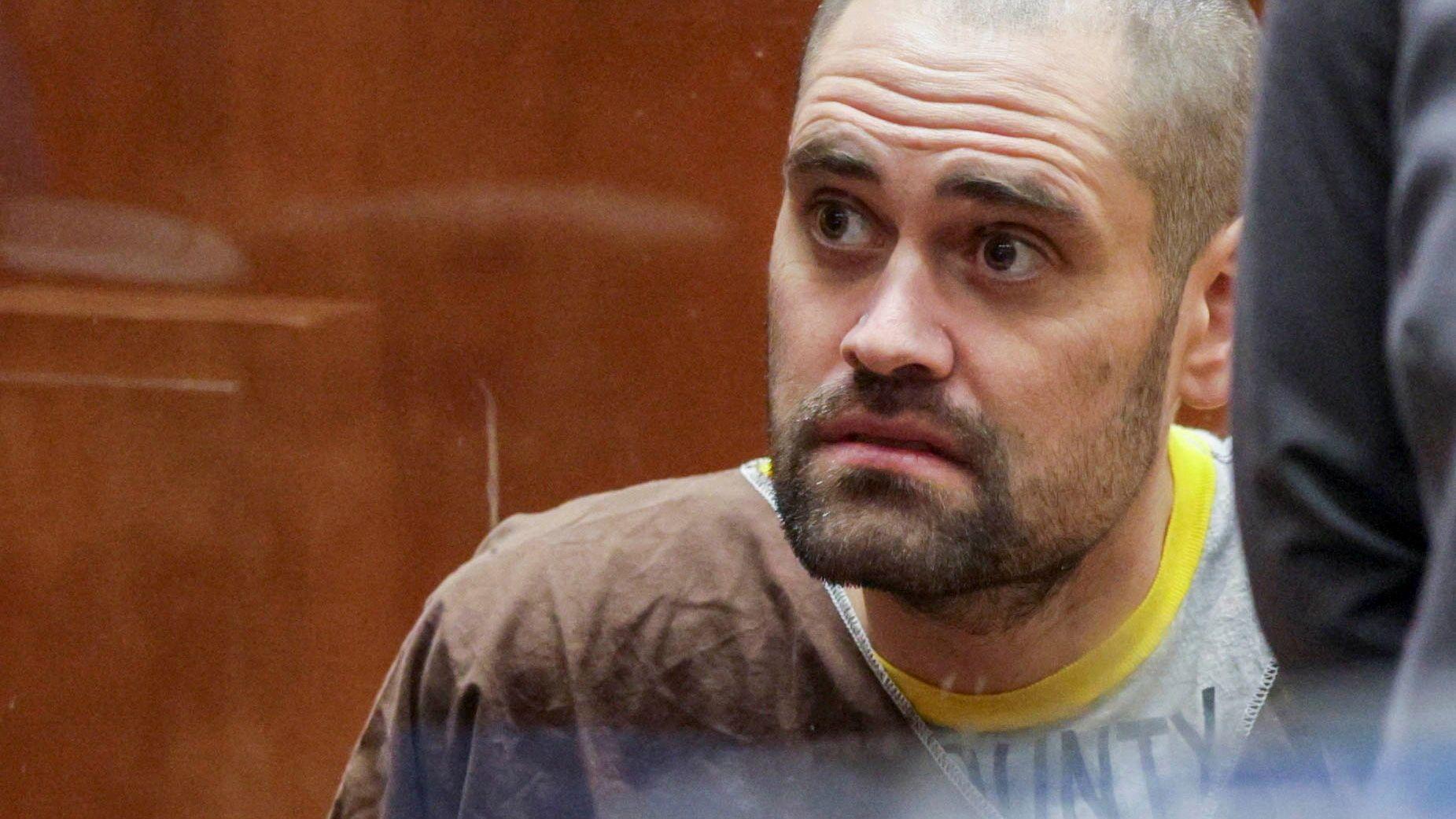
The Justice Department has indicted a US special forces soldier who allegedly used classified information to make $400,000 on Polymarket off the January US raid to oust Venezuelan President Nicolás Maduro.
Allegations in the indictment seem to confirm prevalent concerns about the potential for government officials to engage in what’s more-or-less insider trading.
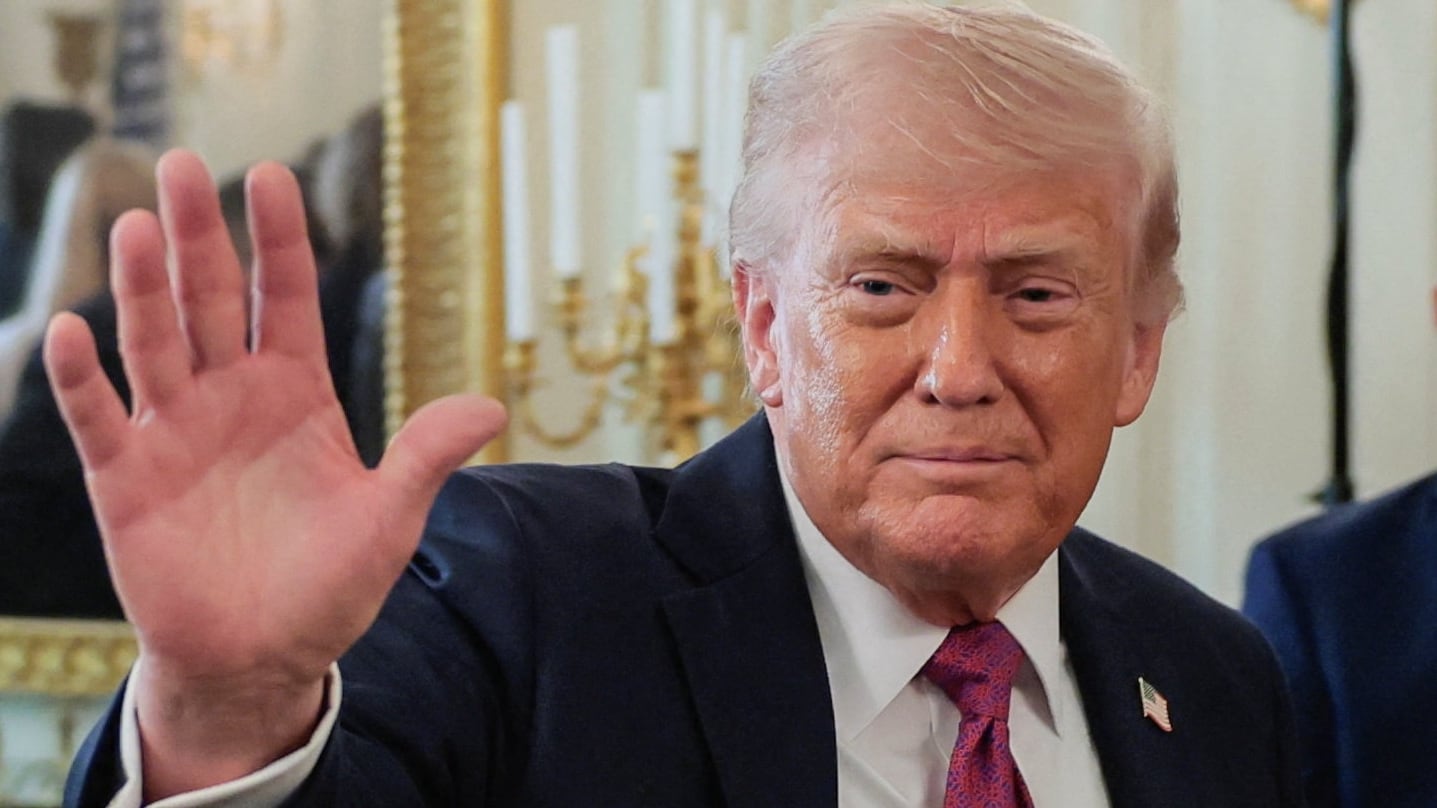
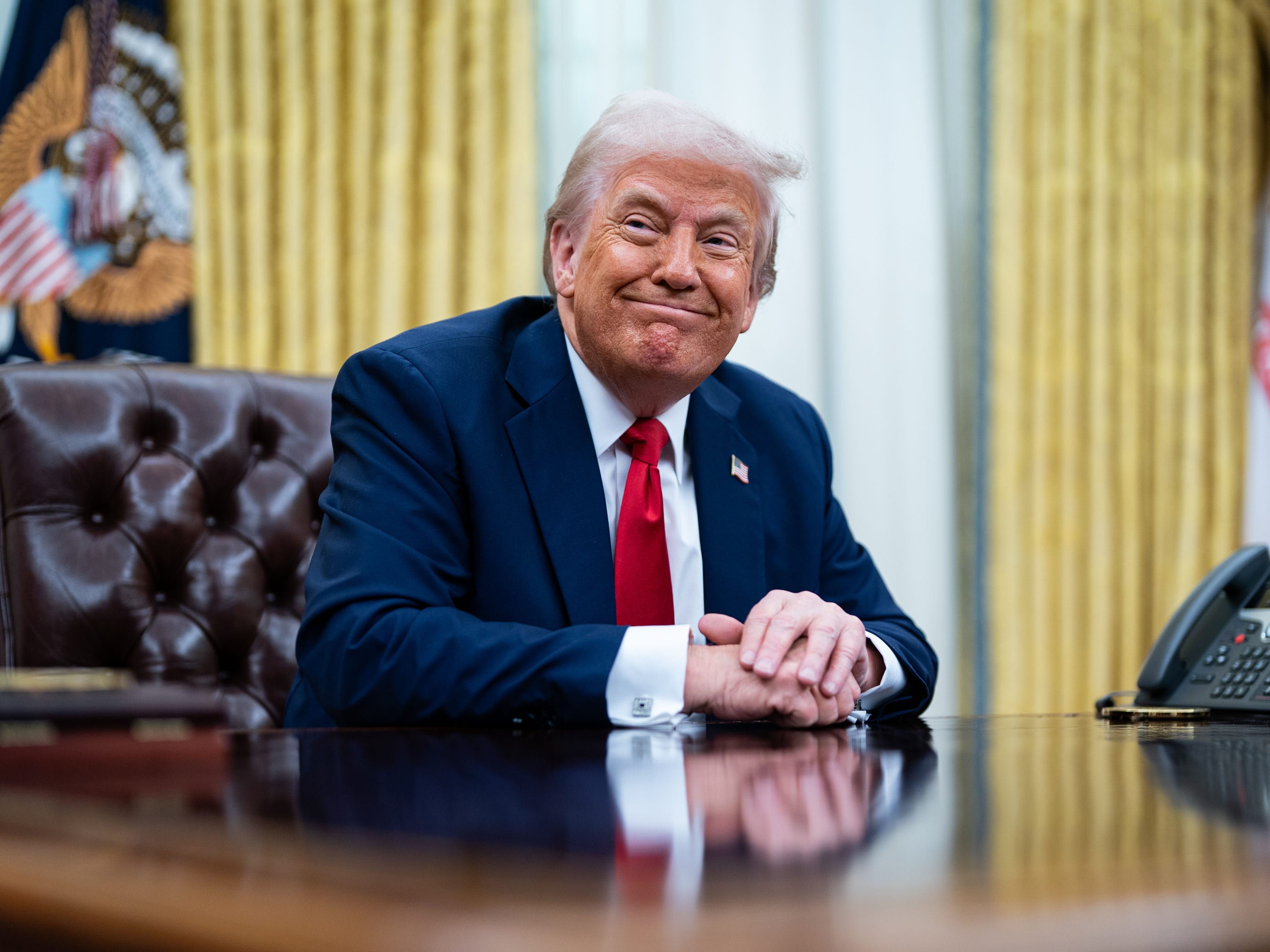
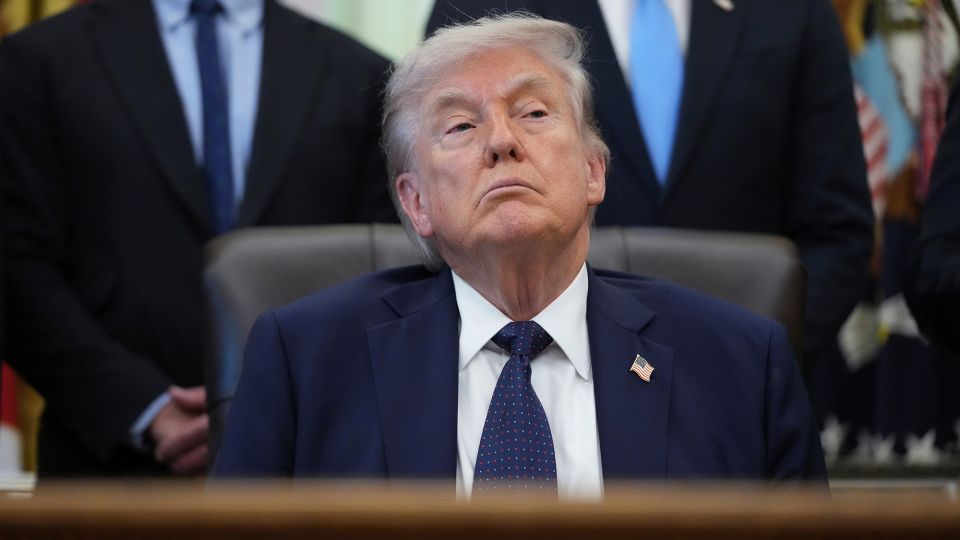
But President Donald Trump — who often shrugs off wrongdoing by allies and has pardoned several high-profile fraudsters — doesn’t sound overly bothered by the whole thing.
When Trump was asked Thursday about the indictment of Master Sgt. Gannon Ken Van Dyke, he inquired whether Van Dyke had bet for or against Maduro’s ouster.
When informed the soldier had predicted Maduro would be ousted, Trump compared it to baseball player Pete Rose betting that his team would win.
Rose was banned from Major League Baseball in 1989 after an investigation found he had gambled on games while managing the Cincinnati Reds. Rose’s defenders have argued that betting that his team would win made his gambling offenses less serious.
“That’s like Pete Rose betting on his own team,” Trump said, adding: “Now, if he bet against his team, that would be no good. But he bet on his own team.”
“I’ll look into it,” he concluded.
Trump was then asked about a series of suspiciously timed winning bets on the Iran war. In one case, CNN’s Marshall Cohen reported last month, the trader won 93% of their bets — an extremely unlikely success rate — and netted nearly $1 million.
Nick Vaiman, the CEO of Bubblemaps, the analytics company which discovered the trades, called it “strong signaling of insider activity.”
Asked if he was concerned, Trump spoke generally about how he wasn’t a big fan of prediction markets. He said he was “not happy with any of that stuff.”
But he also offered: “it is what it is.”
It was far from a forceful warning against that kind of activity. Indeed, the Pete Rose comparison led some to wonder if Trump might pardon the soldier, given Trump’s advocacy for Rose.
At least a couple prominent Trump allies have already said Trump should pardon the soldier.
But the Rose comparison is not an apt one.
While it’s true that the soldier allegedly bet that Maduro would be ousted, that’s not all he bet on. And the trades were lucrative because the soldier knew about the classified operation that would actually try to oust Maduro, while other bettors did not.
This allowed the soldier to win about 12 times the $34,000 that he bet, according to the indictment.
The comparison would make more sense if the raid to oust Maduro were a pre-planned event that everyone knew was happening, and others could wager whether it would succeed or fail. But it was not; it was classified.
The indictment alleges Van Dyke “misappropriated classified, nonpublic U.S. Government information about a U.S. military operation to capture Nicolás Maduro and his wife, Cilia Flores … to make more than $400,000 in illegal profits.”
What’s more, Van Dyke isn’t only accused of wagering that Maduro would be out of power by the end of January. He also allegedly wagered that US forces would be in Venezuela by the end of that month — and that Trump would invoke war powers against Venezuela.
So this clearly wasn’t just about betting on your side to succeed.
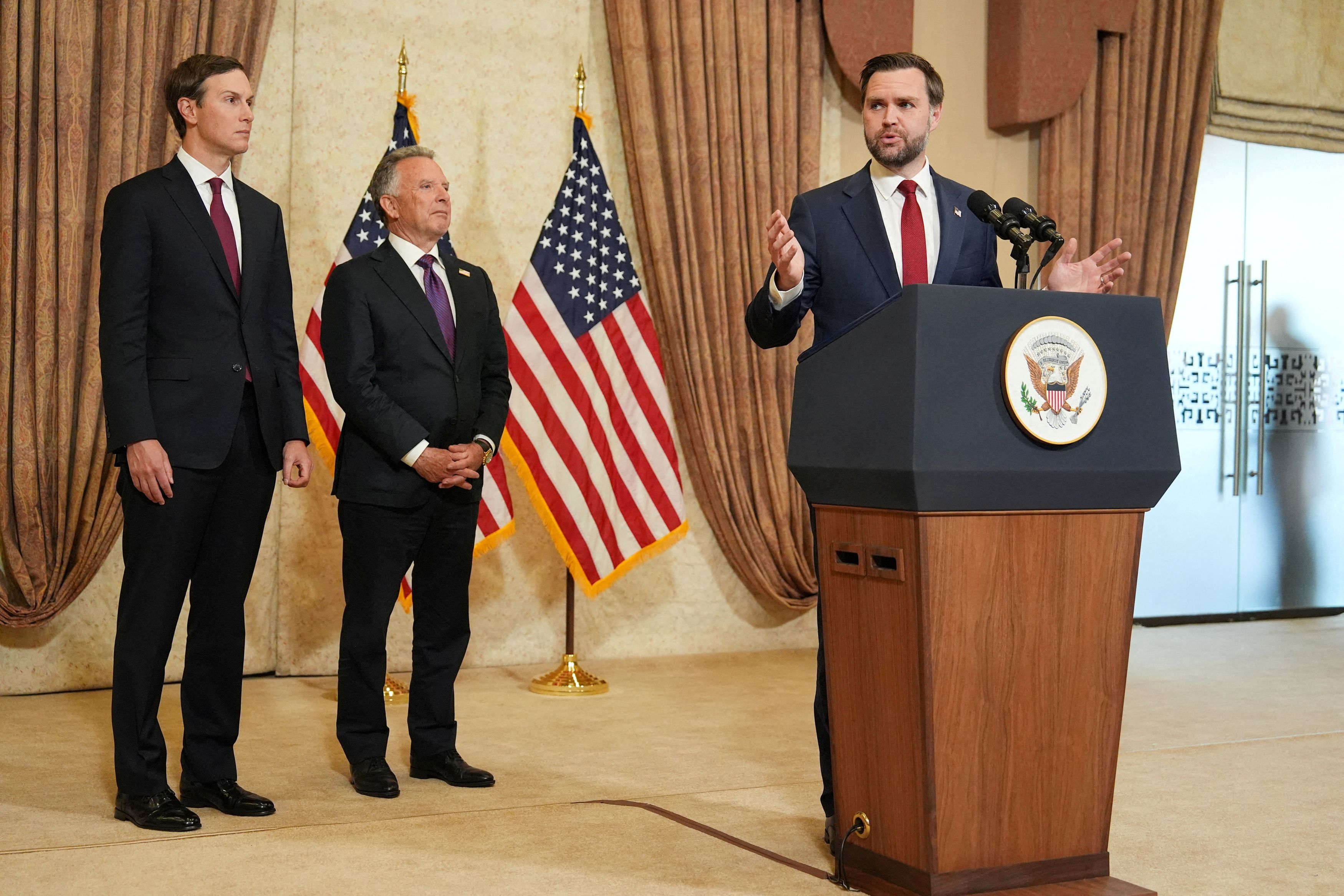
Trump’s somewhat muted response is also interesting given his son’s involvement in the industry and Democratic allegations that this problem might extend to higher levels in the administration.
Donald Trump Jr. joined Polymarket’s advisory board last year, and his venture capital fund has invested an undisclosed amount in the company. He also advises another prediction market company, Kalshi. (Note: CNN has a partnership with Kalshi, which provides it with data. Its editorial employees are not permitted to bet on prediction or event markets.) Trump Jr. has said via a spokesperson that he does not trade on prediction markets and has not interacted with the federal government on behalf of either company.
President Trump signaled Thursday that he didn’t have much regard for the newfound prevalence of betting, but his family has significant involvement in it. And the current controversy would seem to be a significant problem for the industry.
Democratic lawmakers like Sen. Chris Murphy of Connecticut have raised the prospect of Trump administration officials enriching themselves using inside information. Two weeks ago, CNN’s Cohen reported that the White House warned staff not to engage in insider trading on prediction markets and other platforms.
There is no hard evidence of wrongdoing by anyone besides the soldier. But if someone higher up were ultimately wrapped up in this problem, it’s not difficult to see Trump deploying the Pete Rose defense to downplay the situation.
For more CNN news and newsletters create an account at CNN.com