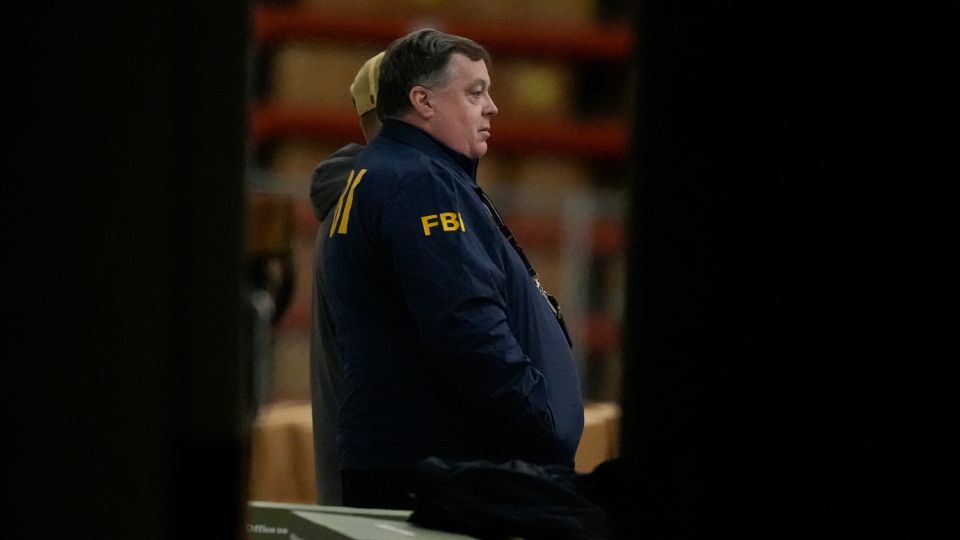
The FBI seized 2020 election materials from Georgia just a few weeks after opening a criminal probe, an unusually fast pace for a case of its kind, experts told CNN.
The newly released timeline, filed on Friday, was provided by the Justice Department following an order from District Judge Jean-Paul Boulee, who asked the DOJ to give further information on the inception of the FBI’s criminal investigation into the Fulton County elections facility.
Fulton County officials have suggested in court filings the criminal investigation appears to be a “pretext to acquire records that this Administration was unable to quickly secure via the civil litigation process.”
But the Justice Department has argued that theory is “nonsensical for multiple reasons” and that the county had not met the high bar required for ordering the seized materials be returned. The department has also argued in court filings that the federal government “used criminal process to get the records—a higher burden than obtaining them through civil process.”
Weeks of proceedings in the ongoing lawsuit — filed by Futon County officials seeking the return of ballot materials — predate the timeline release. And the federal government’s previous civil litigation began last year.
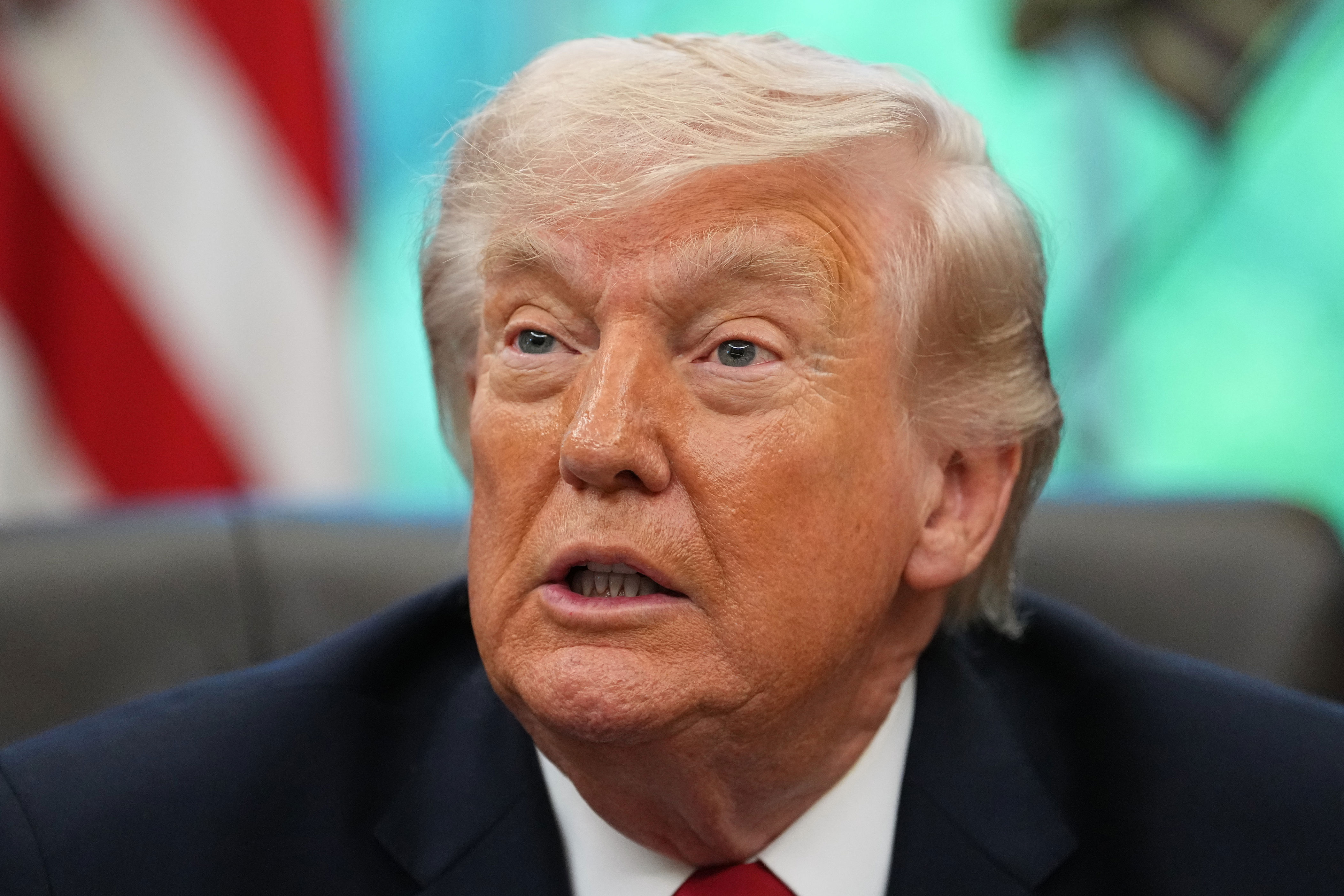
In December, the Justice Department sued Fulton County, seeking records related to the 2020 election as efforts continued to prove President Donald Trump’s false claims that the election was stolen from him.
In the lawsuit, the Justice Department’s Civil Rights Division alleged the Atlanta-area county did not comply with a subpoena issued by the Georgia State Elections Board for its “used and void ballots, stubs of all ballots, signature envelopes, and corresponding envelope digital files from the 2020 General Election.”
DOJ’s investigation timeline
In the Friday filing, the Justice Department notes that Kurt Olsen, a 2020 election denier now serving in the White House who made the referral that launched the criminal probe, formally did so on January 5, 2026, at 9:03 a.m. At 8:36 p.m. that same day, the motion to dismiss the civil litigation was filed, the Justice Department said.
The DOJ said the supervisor to agent Hugh Raymond Evans, who was assigned to the case, opened an “assessment” on January 6, 2026. Six days later, Evans requested the matter be opened to a full investigation, and on January 14, the special agent in charge of the FBI’s Atlanta field office approved the request.
The filing asserts that Evans drafted the investigative summary, which precedes a search warrant, on January 19, before it was formally converted into a warrant affidavit on January 22. The FBI then served a warrant at the elections office in Fulton County on January 28 — 23 days after the criminal probe launched.
‘This all happened very quickly’
CNN Senior Law Enforcement Analyst Andrew McCabe, who previously served as the deputy director of the FBI, told CNN that while timelines of investigations can vary, in his 21-year career with the agency, he has never seen a situation in which the government initiated a criminal case on a matter that was currently the subject of a civil case.
“This all happened very quickly, particularly for a case like this, which I think raises the question very legitimately, why was this such a priority?” McCabe said.
McCabe also said “political pressure” could be the motivation behind the FBI’s decision to move quickly on the probe, especially because he’s historically seen this type of quick turnaround on drug cases in which evidence could disappear. The evidence, or ballots in this case, McCabe said, isn’t going anywhere.
Michael Moore, who served as the US attorney for the Middle District of Georgia under President Barack Obama, echoed McCabe’s comments on the probe’s unusually fast cadence.
Moore told CNN the speed in moving from formal referral to search warrant was “pretty expeditious” and “not the kind of thing you typically see.”
Moore said he found the pace of the probe unusual because the case did not appear to deal with “matters of life and limb,” which would have explained the urgency to move forward with a search warrant.
CNN has reached out to the DOJ for comment. The FBI, upon receiving the request for comment, referred CNN to the Justice Department.
Litigation continues as Trump admin seeks role in election functions
Boulee, appointed by Trump during his first term, will have to decide whether all of Fulton County’s election materials must be returned.
Georgia is one of several states where 2020 election skeptics have ascended to state and local government perches, from which they have continued to cast doubt on Trump’s defeat, despite numerous reviews confirming the outcome. As Trump has pushed his administration into taking sweeping and legally dubious actions to get more involved in election administration, the Fulton County ballot seizure shows how that effort can piggyback on the work of election deniers who have enmeshed themselves within the bureaucracy of running elections.
The FBI’s seizure of 2020 election materials in Georgia – along with the president’s recent calls to “nationalize” voting – has fueled concerns among some state election officials of federal intrusion in this year’s midterms.
The administration has actively sought to play a role in election functions reserved for state and local officials, including a massive drive by Trump’s Justice Department to gain access to each state’s complete voter rolls, including private information such as partial Social Security numbers and dates of birth.
For more CNN news and newsletters create an account at CNN.com