
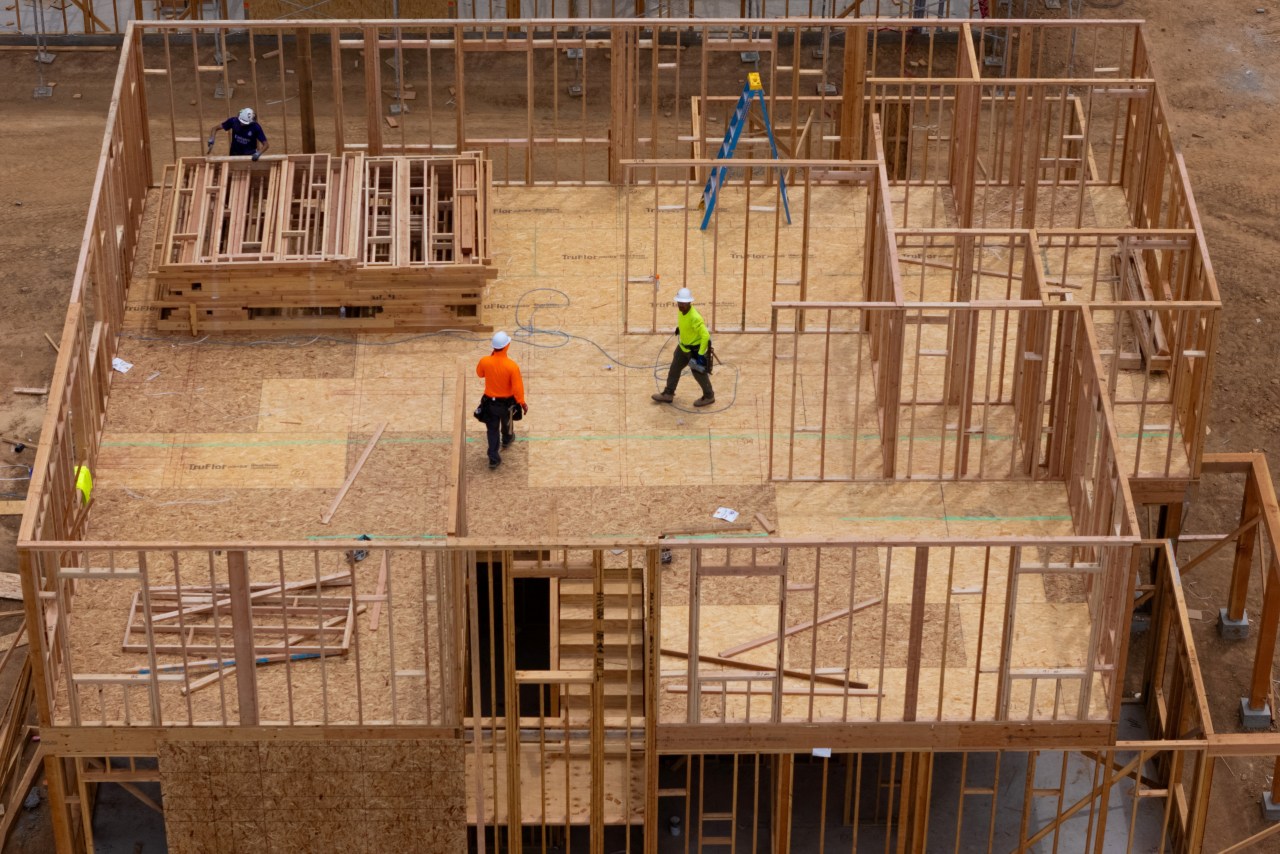
Developer TerraLane Communities was about to start construction on two new housing communities in Arizona and Texas, projects that would create around 300 new single-family homes to rent out.
But before any shovels got in the ground, the Senate passed a bill that severely restricts the build-to-rent business. Uncertain about the industry’s legislative future, investors demanded that TerraLane pause the project. The firm had five other potential build-to-rent deals that it is no longer pursuing.
“These projects are designed specifically for families that can’t afford housing in the community,” said Chief Executive Steve La Terra. “This bill, which is designed to provide more housing, is doing the exact opposite.”
The U.S. Senate passed milestone housing legislation in March by the landslide vote of 89 to 10. The bill includes dozens of different proposals to make it faster and easier to build homes, such as streamlining environmental reviews and cutting regulations for factory-built homes.
But one of the bill’s provisions stopped home builders in their tracks. It would force developers to sell, within seven years of completion, newly constructed homes that they built solely for the purpose of renting.
Developers say that investors won’t put money into new rentals that they can own for only a few years before having to sell them off. Even though the bill isn’t yet law, investors and lenders are scurrying away from simply the threat of this legislation.
Already, at least $3.4 billion of investment for these so-called build-to-rent projects is frozen in place, according to an early survey of 14 build-to-rent firms by Inclusive Abundance and Up for Growth, both housing-policy lobby groups.
That translates to about 10,000 units of housing. And it is likely just a sliver of the impact across the entire build-to-rent industry, which roughly includes more than 1,700 firms, according to John Burns Research & Consulting.
If the Senate’s bill passes in its current form, build-to-rent owners say they will either have to reinvent their businesses or shut down entirely. Many of these firms say they can’t seamlessly pivot to building individual for-sale homes, which are financed, built and sold differently from their current models.
“It’s putting the industry out of business,” La Terra said.
Supporters of the provision say these build-to-rent communities crowd out homes that would otherwise be constructed for families to purchase.
And congressional aides said that during negotiations over this build-to-rent provision, the industry told them that build-to-rent units typically get sold within seven to 10 years anyway.
Republican Sen. Tim Scott of South Carolina and Democratic Sen. Elizabeth Warren of Massachusetts, co-authors of the bill, declined to comment on the industry’s pushback.
The seven-year sale clause is part of a larger proposed ban on large institutional investors buying up single-family homes, which President Trump ordered Congress to codify at the start of this year.
Institutional investors own a small piece of the nation’s overall housing stock. But their presence is more starkly felt in investor hot spots like Atlanta and Phoenix, where home buyers say deep-pocketed corporations are making it difficult for them to compete.
The build-to-rent industry is still relatively young. But these builders have been quickly growing their rental businesses as the cost of homeownership remains out of reach for many Americans. Build-to-rent developers say their properties offer a cheaper option in nice neighborhoods with good schools for families who couldn’t otherwise afford to live there.
House lawmakers passed their own housing package in February, which didn’t include a ban on single-family home investors. Some House members voiced opposition to the Senate’s version and demanded a formal negotiation process. Now the two chambers need to reconcile their bills.
On Wednesday, 76 House representatives, both Democrats and Republicans, signed a letter urging House Speaker Mike Johnson and Minority Leader Hakeem Jeffries to “strip or substantially revise” the seven-year sale provision of the Senate’s bill.
The longer this policy fight drags on, the more drastic measures build-to-rent owners are preparing to take.
“If something isn’t worked out in the next six months, we would have to completely come up with a new business strategy,” said Kelly Whiteley, chief executive of Hancock Builders, a general contractor for build-to-rent projects.
Some are turning rental communities that are midconstruction into for-sale homes that will be sold one at a time, likely to buyers who can afford today’s expensive home prices rather than to more budget-squeezed renters.
Others say that funds they had earmarked for new build-to-rent communities may now go to data-center development instead.
Many build-to-rent tenants would likely be forced to leave their homes if they can’t afford to buy their properties themselves. And converting build-to-rent communities to individual for-sale homes would be an entirely new construction project because these properties are often zoned for multifamily use and share utilities like underground electric wiring and water meters.
“You’d have to dig up the streets,” Whiteley said.
Write to Rebecca Picciotto at Rebecca.Picciotto@wsj.com