
How your dog's breed influences its lifespan, according to experts (this is how long yours can live)
A dog’s lifespan can vary significantly depending on several factors, but breed is one of the most influential elements experts consistently highlight. From genetic predispositions to physical traits, each breed carries unique characteristics that can affect overall health, longevity, and vulnerability to certain conditions throughout its life.
Understanding how breed impacts lifespan helps owners make informed decisions about care, nutrition, and preventive health measures. While no two dogs are exactly alike, recognizing general patterns across breeds provides valuable insight into how long your dog may live and what you can do to support a healthier, longer life.

Small breeds — Longer average lifespans
Small dog breeds such as Chihuahuas, Dachshunds, and Toy Poodles are known for their relatively long lifespans compared to larger dogs, often living between 12 and 16 years or more. Experts explain that smaller bodies place less strain on vital organs, which may contribute to slower aging and reduced risk of certain diseases, although proper care and regular veterinary visits remain essential.

Large breeds — Shorter but active lives
Large breeds like German Shepherds, Labrador Retrievers, and Golden Retrievers typically have shorter lifespans, averaging between 8 and 12 years depending on health and lifestyle factors. Experts note that rapid growth and larger body mass can increase the risk of joint issues, heart conditions, and other health challenges that may impact longevity over time.

Giant breeds — The shortest lifespans
Giant dog breeds such as Great Danes, Saint Bernards, and Mastiffs often have the shortest lifespans, sometimes ranging from 6 to 10 years. According to experts, their accelerated growth rates and size-related stress on the body contribute to earlier aging, making preventive care, balanced nutrition, and controlled exercise especially important for extending their quality of life.

Mixed breeds — Often more resilient
Mixed-breed dogs are frequently associated with longer lifespans due to greater genetic diversity, which can reduce the likelihood of inherited health conditions. Experts suggest that this genetic variation may provide a protective effect against certain diseases, although individual care, environment, and lifestyle still play a critical role in determining overall longevity.

Brachycephalic breeds — Health challenges matter
Breeds with short snouts, such as Bulldogs and Pugs, may face unique health challenges that can affect lifespan, including respiratory issues and heat sensitivity. Experts emphasize the importance of monitoring these conditions closely, as proactive care and lifestyle adjustments can help manage risks and improve both quality of life and longevity.
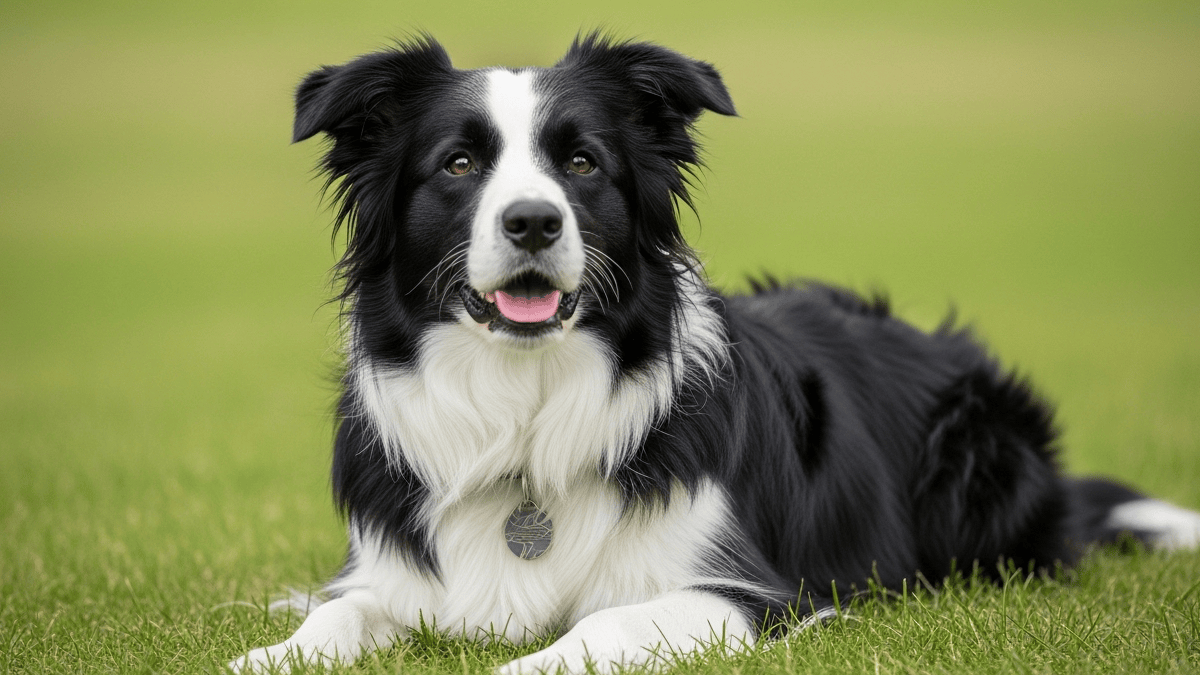
Working breeds — Built for endurance
Working dogs like Border Collies and Australian Shepherds are often bred for stamina and physical performance, which can support longer, healthier lives when properly managed. Experts highlight that regular exercise, mental stimulation, and proper training are key to maintaining their health, as inactivity can lead to behavioral and physical problems that impact lifespan.

Genetic predispositions — Breed-specific risks
Each breed carries specific genetic predispositions that can influence lifespan, such as heart disease, cancer, or hip dysplasia, depending on the lineage. Experts recommend regular screenings and early detection strategies tailored to each breed, as understanding these risks allows owners to take preventive measures and improve long-term health outcomes.

Lifestyle and care — Beyond breed alone
While breed plays a significant role, experts agree that lifestyle factors such as diet, exercise, and veterinary care can greatly influence how long a dog lives. Proper nutrition, maintaining a healthy weight, and consistent medical checkups can help mitigate risks associated with breed and support overall well-being throughout a dog’s life.

Environment and stress — Hidden influences
A dog’s environment, including living conditions and stress levels, can also impact lifespan in ways that are sometimes overlooked. Experts note that a stable, safe, and enriching environment contributes to both physical and emotional health, which can ultimately support a longer and healthier life regardless of breed.