
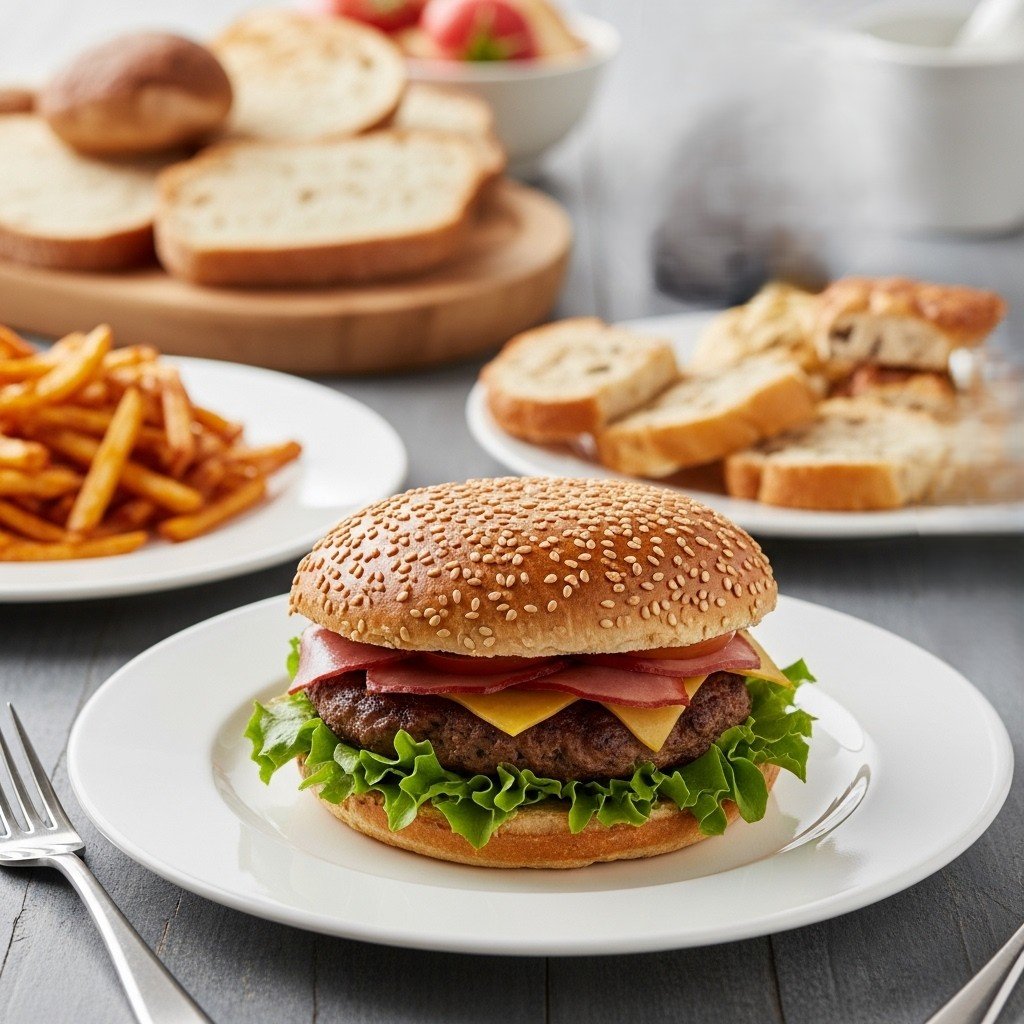
Does Expensive Always Mean Better When It Comes to Food?
The prices of food tend to shape the way we are evaluating the quality, taste, and the general worth. Most consumers think that high price by default means high quality ingredients, better preparation, or healthiness. But the cost and quality association is much more complicated than a mere tag price. Whether in the food store or in a fine restaurant, learning what is really important in determining the value of food can be a way of making smarter, more fulfilling decisions by the consumer.
Price Frequently Portrays Branding over Quality
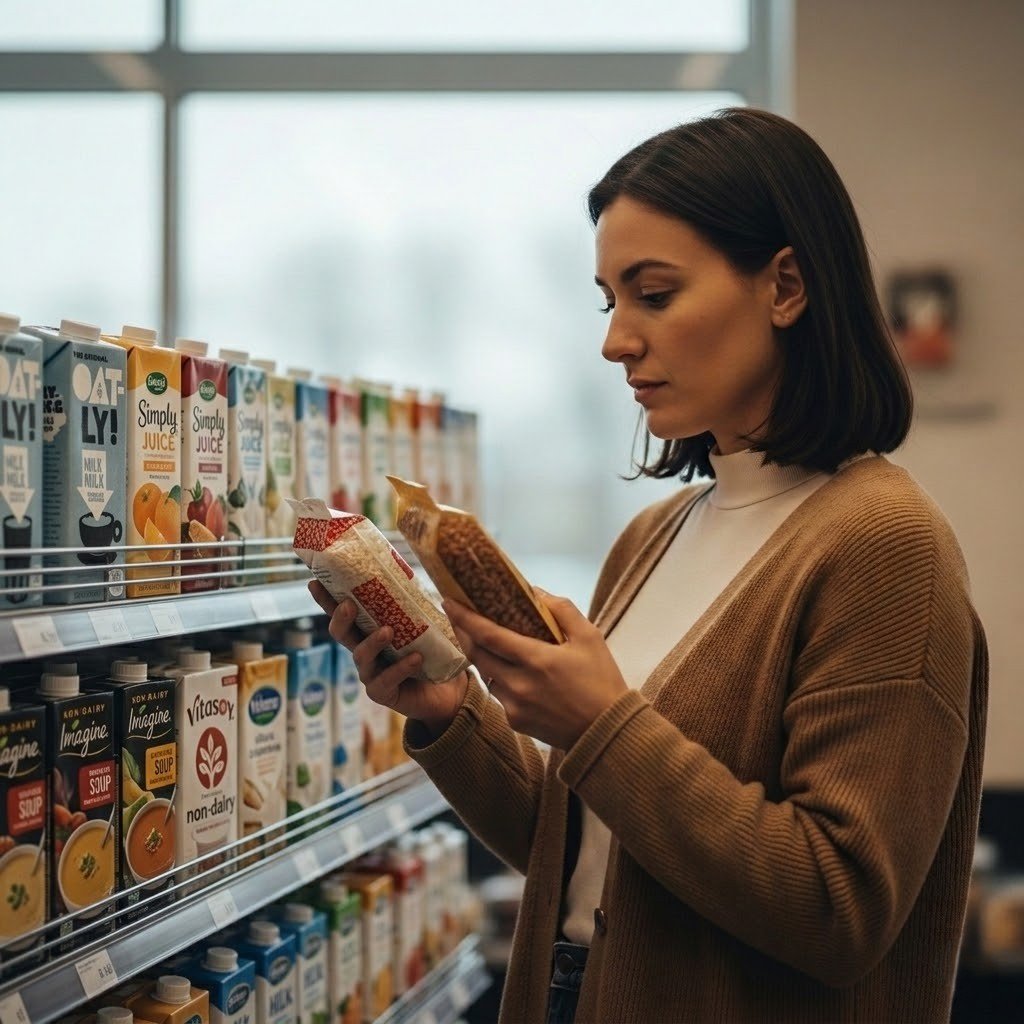
In most instances, branding, packaging and marketing forces are the determinant of the cost of a product and not the very ingredients within it. Popular brands spend huge sums of money in advertisement campaigns, celebrity promotion, finish eye-catching designs, which are in most cases transferred to the consumer without any significant contribution to taste or nutrition.

Location and Presentation Have Cost Impact
Going to an expensive restaurant often implies spending money on the atmosphere, the decor and the treatment as much as the food. Real estate, fancy table arrangements and personalized service are some of the added costs to the operating costs hence the reason why similar meals in a fancy environment would cost so much more than the same meal in a small local restaurant.
It is not Vain to increase the Price of Ingredients
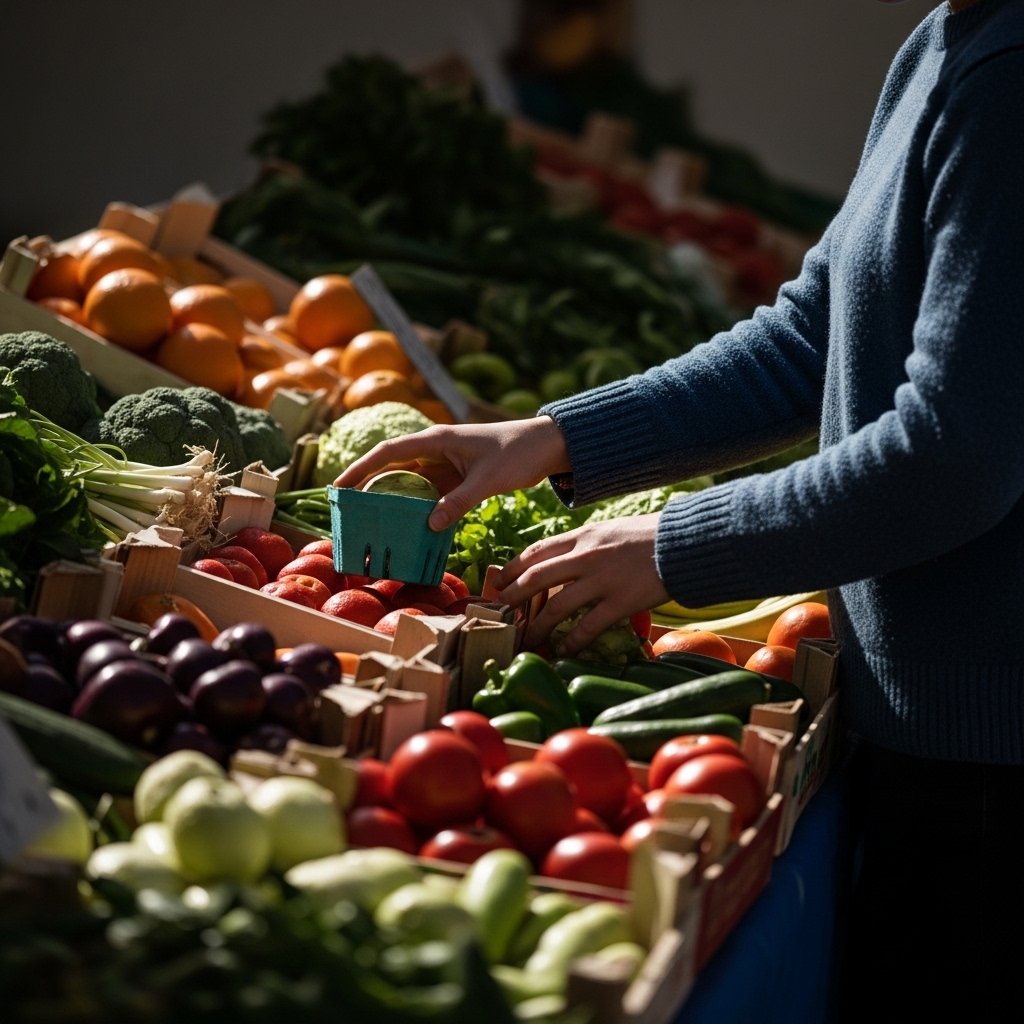
Other foods actually are more expensive due to responsible sourcing and scarcity. Organic produce, wild caught seafood or specialty imports might necessitate a greater level of farming, increased distance of transportation or smaller scale production which can all explain higher prices without the need to resort to hype.
Local and Seasonal Foods are more economical
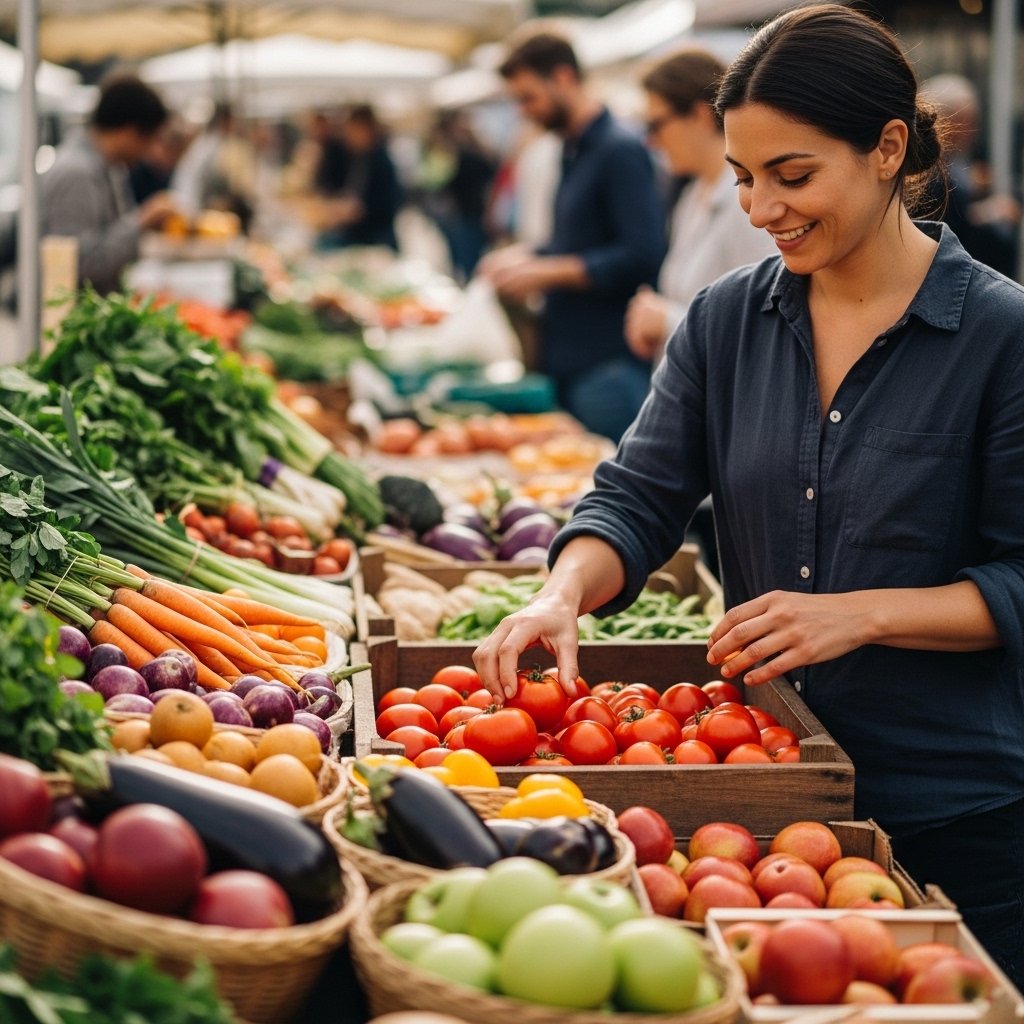
Harvested foods are usually fresher, tastier and cheaper than imported foods because of the large availability. Purchasing local goods at farmers markets or local suppliers may also lower the transportation fee and promote local agriculture besides providing quality that is comparable or better than most of the imported goods, which cost considerably high.
Packaging can bring about an illusion of Luxury
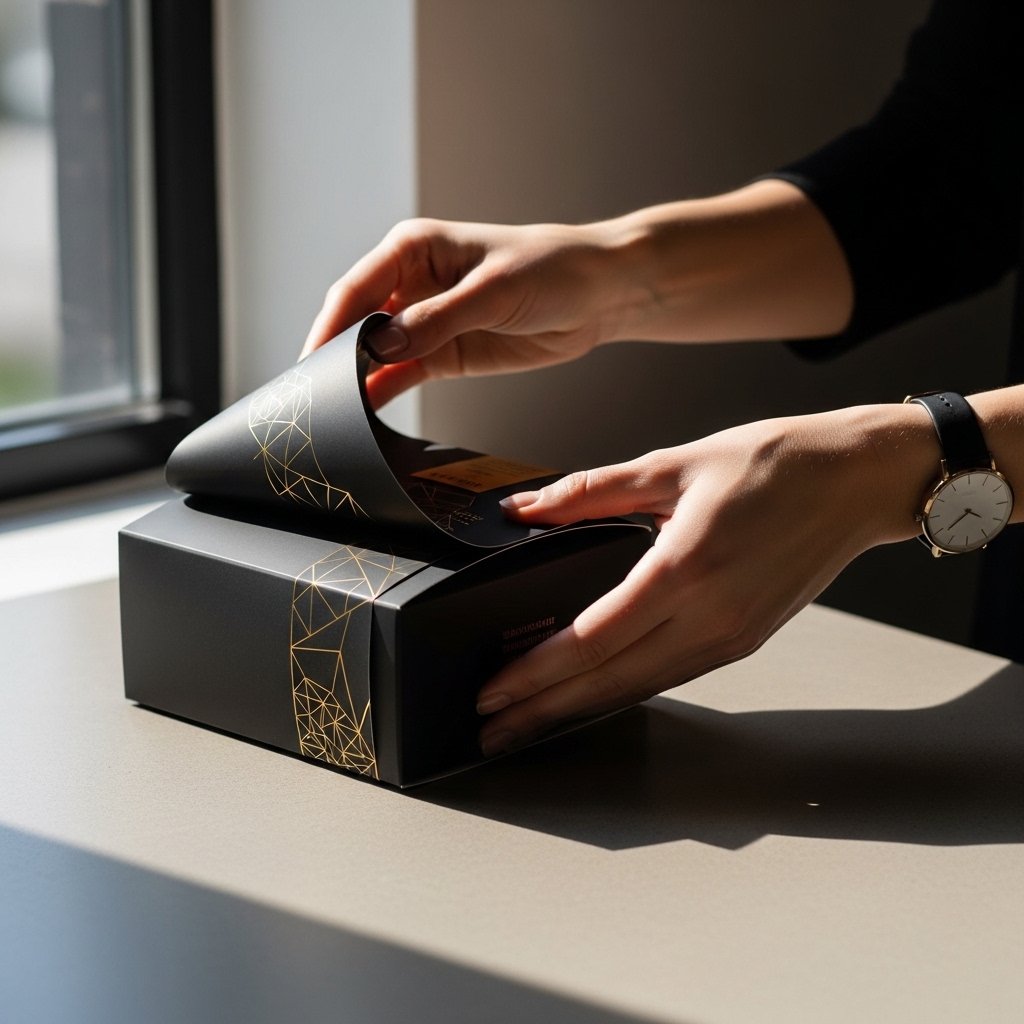
The use of high-end packaging material, minimal styles, and well-considered color palette can have a powerful impact on purchases. Smooth glass jars or rough-looking boxes can be associated with high quality even in the case when the contents are almost the same as those of cheaper versions that are put in less complex containers.
Store Brands can compete with National Labels
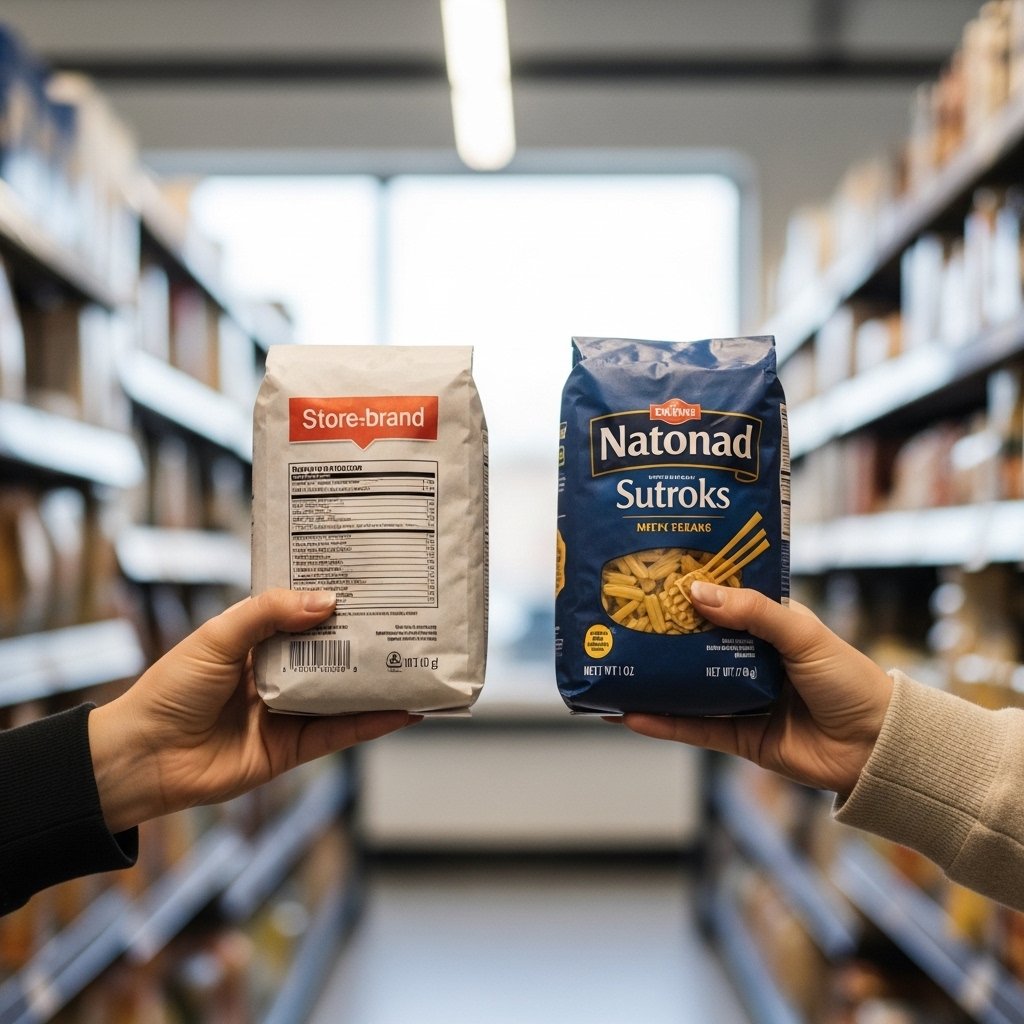
This has seen an increase in quality of the products of the private label in the last ten years. Most of these retailers even have the same manufacturers as the national brands, and so, a shopper can find that there is a similar taste and ingredients at a cheaper cost just because the store name is associated with the product rather than the highly advertised brand.
Price is no Almighty in terms of better nutrition
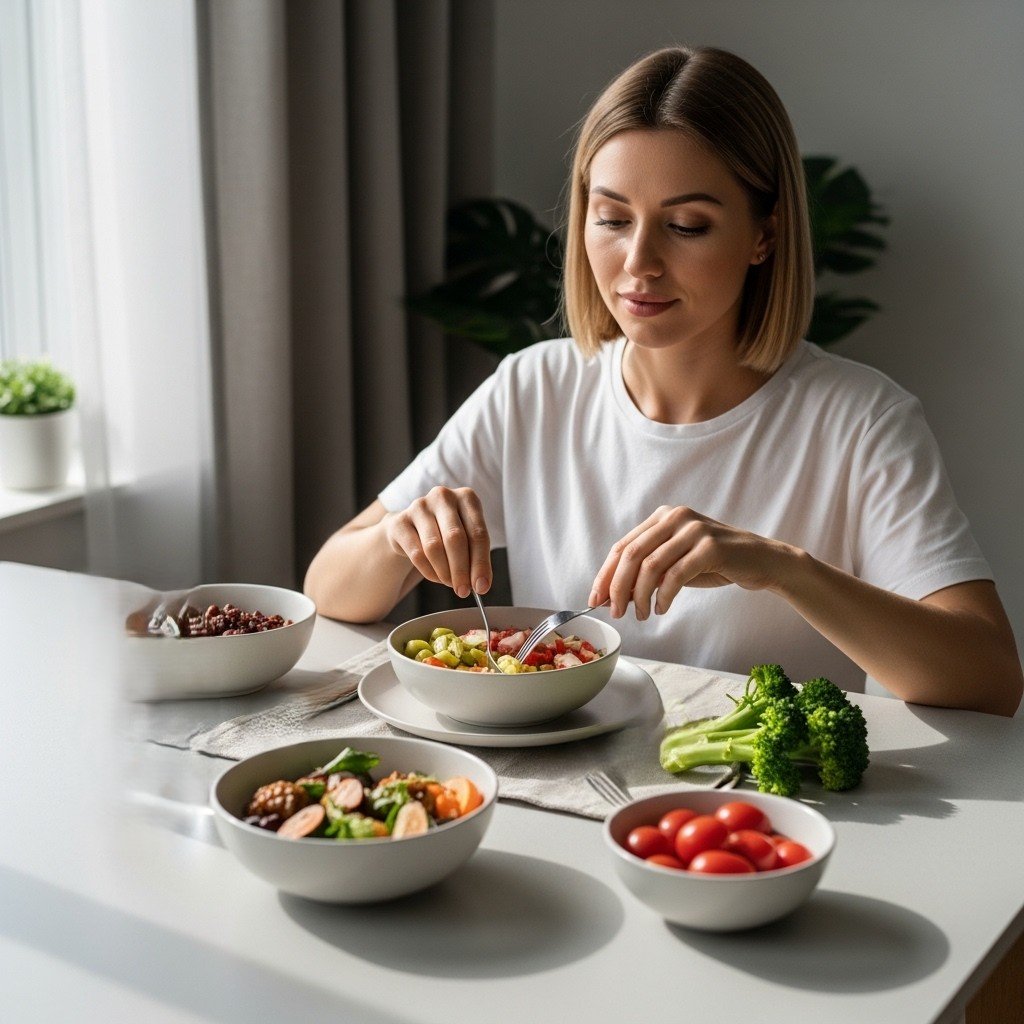
More expensive products do not necessarily prove more healthy or healthier than low-cost products. Even some of the costly snacks or convenience foods may still be high in sugar, sodium, or additives but cheaper staples like beans, rice, oats, and frozen vegetables may be very nutritious at a much lower price.

Psychology Bias Influences Our Taste
Studies have revealed that sometimes the food that one believes is costly tastes good. Sensory experience can be influenced by expectations, resulting in diners claiming greater richness of flavor, or greater satisfaction, merely because they perceive the higher the price of the food, the higher the quality.
True Value: A Balance Cost and Experience
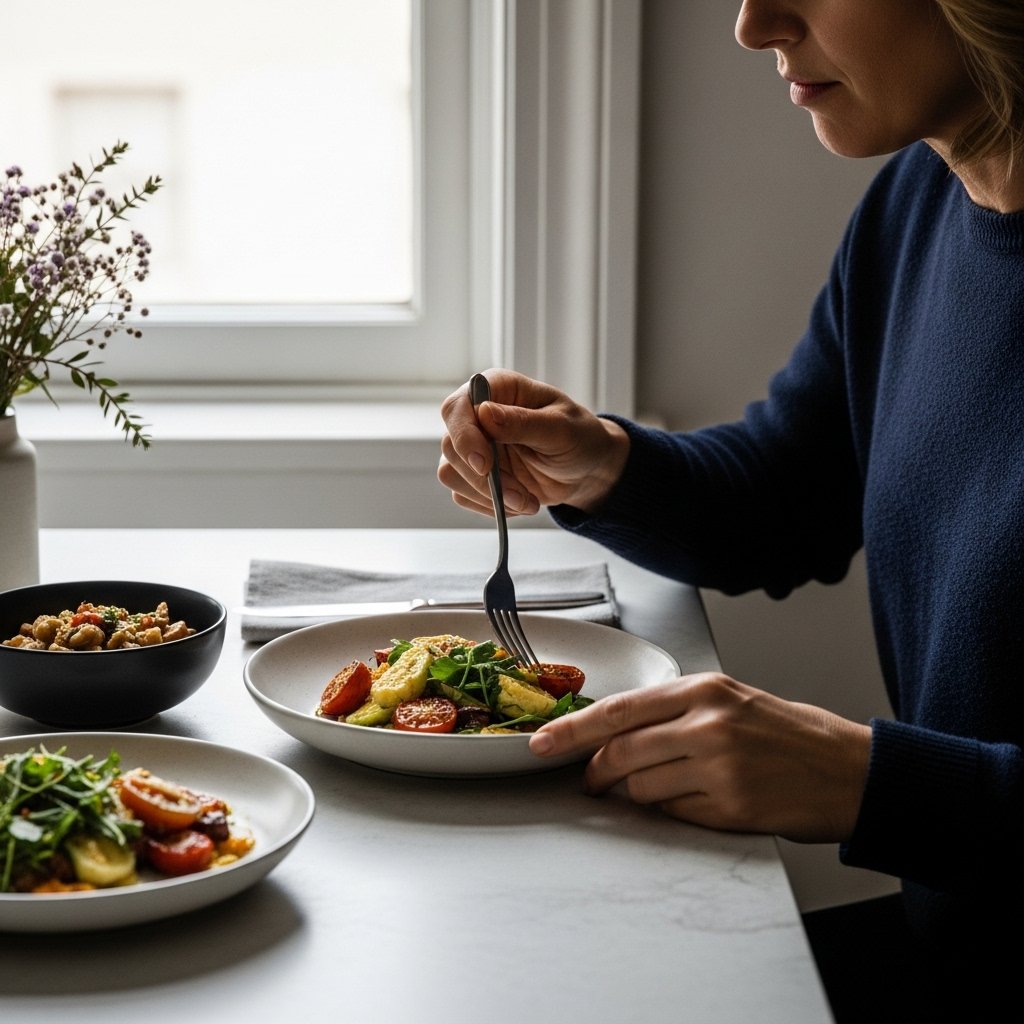
Finally, enjoyment, nourishment and appropriateness to individual tastes should be the value determining the food and not price. The high-end product may bring superior experience in some setting, yet clever shopping, knowledgeable decision-making, and comprehension of what motivates the price can show that good and satisfaction do not necessarily involve spending more.