1. Risky Business Turned Tom Cruise Into a Star
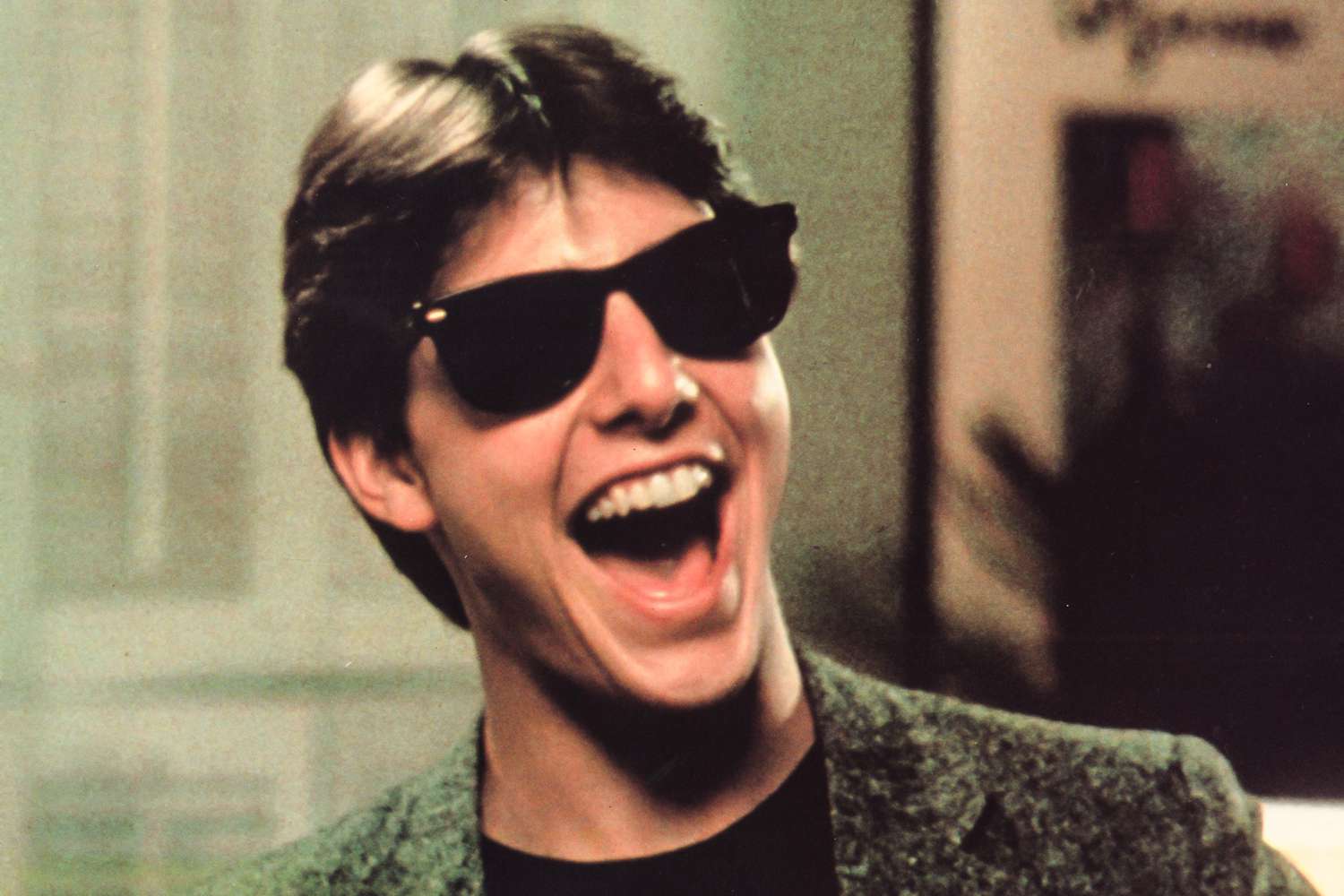
Few movies capture the spirit of youth and daring quite like Risky Business. For a young Tom Cruise, it wasn’t just a role—it was a launching pad. Sliding across the living room floor in socks and a dress shirt, dancing to Bob Seger, Cruise became an overnight sensation. He later told Rolling Stone, “I learned the value of taking chances.” That one iconic scene symbolized more than rebellion; it marked the moment Hollywood noticed him. Studios suddenly recognized his charisma, energy, and the ability to carry a film with charm and wit.
The success of Risky Business reshaped his life in ways he couldn’t have imagined at 21. Overnight, doors opened to major projects, interviews, and opportunities that set him on the path to becoming one of the world’s most recognized stars. But fame came with pressure, long hours, and intense scrutiny. Cruise embraced it all, learning to navigate Hollywood while staying true to his energy. Looking back, the film represents the power of timing, talent, and one memorable risk that changed the trajectory of a career forever.
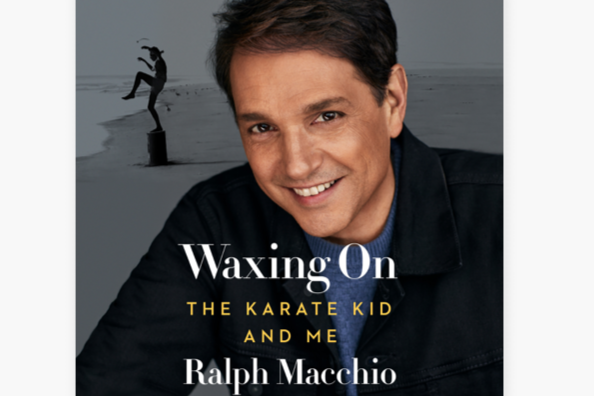
2. The Karate Kid Gave Ralph Macchio Staying Power
The Karate Kid introduced audiences to Daniel LaRusso, a character played by Ralph Macchio. The story of the underdog learning karate resonated immediately, and Macchio’s performance was full of heart, authenticity, and a sense of vulnerability. In interviews, he admitted he never imagined the character would resonate decades later, saying simply, “It struck a chord.” Audiences connected to the journey, the friendships, and the struggle to belong. It wasn’t just a teen movie; it became a cultural touchstone.
For Macchio, The Karate Kid became a career-defining role. It led to sequels, revivals, and an enduring fanbase that still celebrates him today. Yet it wasn’t all easy; some actors struggle with being tied to a single iconic character. Macchio managed to navigate that balance, embracing the legacy while continuing to take diverse roles. The movie proved that a single performance can capture hearts and define a decade. His journey is a reminder that some roles are more than acting—they are milestones that leave lasting marks on careers and personal lives.
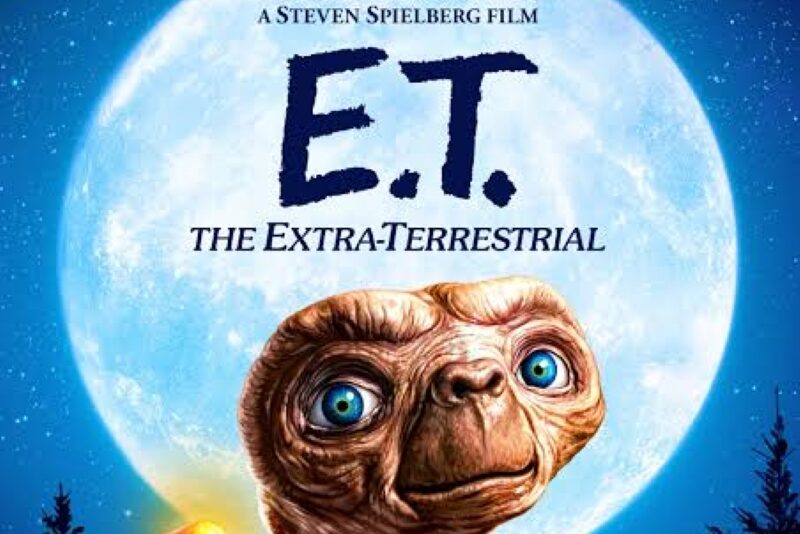
3. E.T. Changed Drew Barrymore’s Childhood Forever
When E.T. the Extra-Terrestrial debuted, seven-year-old Drew Barrymore was instantly a star as Gertie. Working with Steven Spielberg, Barrymore brought innocence and charm that captivated audiences worldwide. Spielberg famously said he believed she thought E.T. was real, which made her performance authentic and endearing. At such a young age, Barrymore experienced fame at a scale that few adults encounter, and the spotlight shifted the course of her life almost overnight.
While the role opened doors and created opportunities, it also brought challenges. Barrymore described in her memoir how sudden celebrity was overwhelming, forcing her to navigate the pressures of public life while still a child. E.T. shaped her career, giving her a platform and recognition that endured for decades. The film’s legacy isn’t just in the box office or awards—it’s in the personal growth, lessons, and experiences that come from extraordinary opportunity. Barrymore’s story reminds us that even magic moments in film can have a real human impact.
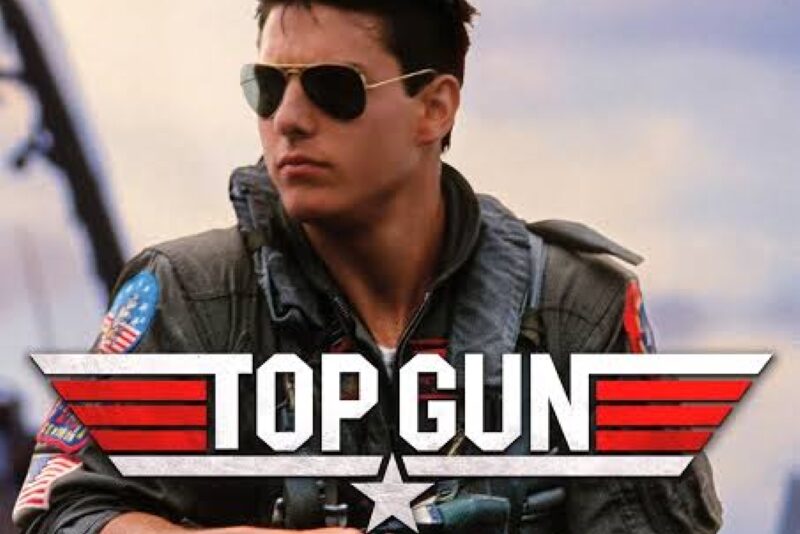
4. Top Gun Made Maverick a Household Name
With Top Gun, Tom Cruise returned to the screen as Maverick, solidifying his status as a global superstar. Cruise described the role as “pushing limits,” and it was evident in every aerial shot and intense scene. The movie captured audiences with thrilling flight sequences, camaraderie, and a dose of romance. It wasn’t just a box office hit—it became a cultural moment that defined 1980s cinema. Cruise’s charisma and energy gave Maverick a blend of confidence and vulnerability that resonated far beyond the theater.
Top Gun transformed Cruise’s career trajectory. He was no longer just a rising actor; he was a definitive leading man. The role opened doors to blockbuster films, international fame, and long-lasting recognition. Beyond career benefits, it cemented a character and image that remain iconic today. The film reminds us how the right role at the right moment can shape a lifetime. For Cruise, Maverick was more than a pilot—it was a signal to Hollywood that he had arrived, and the impact of that flight is still felt decades later.

5. Dirty Dancing Lifted Patrick Swayze Higher
When Dirty Dancing introduced audiences to Johnny Castle, the charming dance instructor played by Patrick Swayze. Swayze fought hard for the role, believing in the story of passion, self-discovery, and love. The film became an unexpected phenomenon, and Swayze’s mix of strength, charm, and sensitivity won over audiences. In interviews, he noted that the role was transformative, allowing him to step beyond action parts and into a more romantic, nuanced space.
Dirty Dancing didn’t just define Swayze’s career—it cemented him in pop culture. The film’s music, moves, and heartfelt story resonated with millions, creating a legacy that remains powerful today. Swayze’s performance showcased the importance of risk, authenticity, and timing in an actor’s journey. It’s a reminder that sometimes a single role can capture hearts, define a career, and remain unforgettable for generations. Dirty Dancing wasn’t just a movie; it was a milestone that shaped both the industry and Swayze’s life.
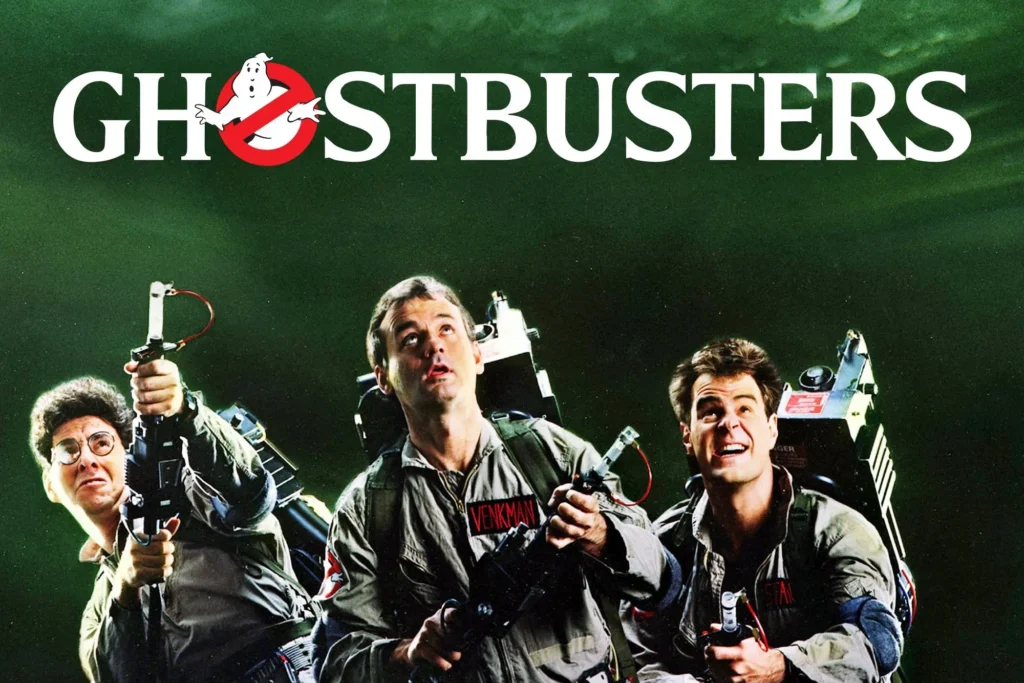
6. Ghostbusters Redefined Bill Murray
Ghostbusters gave Bill Murray a role that would become one of his most beloved. Playing Peter Venkman, Murray brought his signature dry wit and comic timing to a supernatural story that could have felt silly in lesser hands. He later joked that the film “had a life of its own,” and audiences agreed. His performance combined charm, sarcasm, and a relaxed confidence, creating a character that was immediately quotable and endlessly memorable.
The film’s success didn’t just boost Murray’s profile; it changed the trajectory of his career. Suddenly, he was a household name worldwide, able to balance blockbuster comedies with smaller, critically acclaimed projects. Ghostbusters proved that its humor could anchor a film with big effects and broad appeal, and it left an indelible mark on pop culture. Murray’s experience shows how the right role allows an actor to showcase strengths in ways that resonate far beyond the opening weekend. For him, Ghostbusters was not just another project—it was the kind of iconic role that shapes a lifetime.
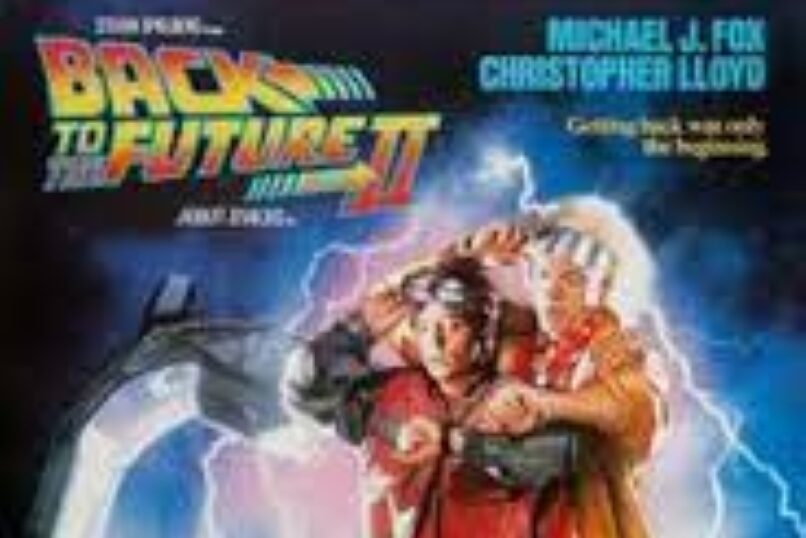
7. Back to the Future Made Michael J. Fox Timeless
Back to the Future introduced Michael J. Fox as Marty McFly, a role that would define him for decades. Fox was balancing television commitments with film work, often juggling exhausting schedules, but the character’s charm, humor, and relatability made him unforgettable. In interviews, Fox reflected on the challenge of blending comedy, adventure, and emotion, saying the role “demanded everything I could give at that age.”
The film’s impact was immediate and long-lasting. Marty McFly became an emblem of the 1980s, and Fox’s performance captured the imagination of a generation. It cemented his position in Hollywood, leading to sequels, awards recognition, and enduring cultural relevance. Beyond career impact, the role influenced countless fans and actors who saw Marty as both aspirational and human. Back to the Future demonstrates how a single performance can elevate a career while leaving a lasting mark on audiences, proving that sometimes timing, talent, and a little cinematic magic converge perfectly.

8. Fatal Attraction Shifted Glenn Close’s Career
Fatal Attraction gave Glenn Close a role that redefined her screen image. Playing Alex Forrest, a woman driven by obsession and heartbreak, Close delivered a performance that was both chilling and deeply human. She later explained that she never intended for the character to feel purely villainous; instead, she sought to show emotional complexity. Audiences were captivated, and critics praised the nuance and intensity of her portrayal.
The success of Fatal Attraction had a profound career impact. Close earned an Academy Award nomination and became associated with layered, compelling roles that demanded both courage and depth. The film opened doors to dramatic opportunities that expanded her career far beyond the stage and television work she had previously done. It was a turning point that demonstrated how one fearless, unforgettable role could redefine an actor’s reputation and showcase her range. Close’s journey reminds us that taking risks on complex characters can lead to lasting respect and artistic growth.
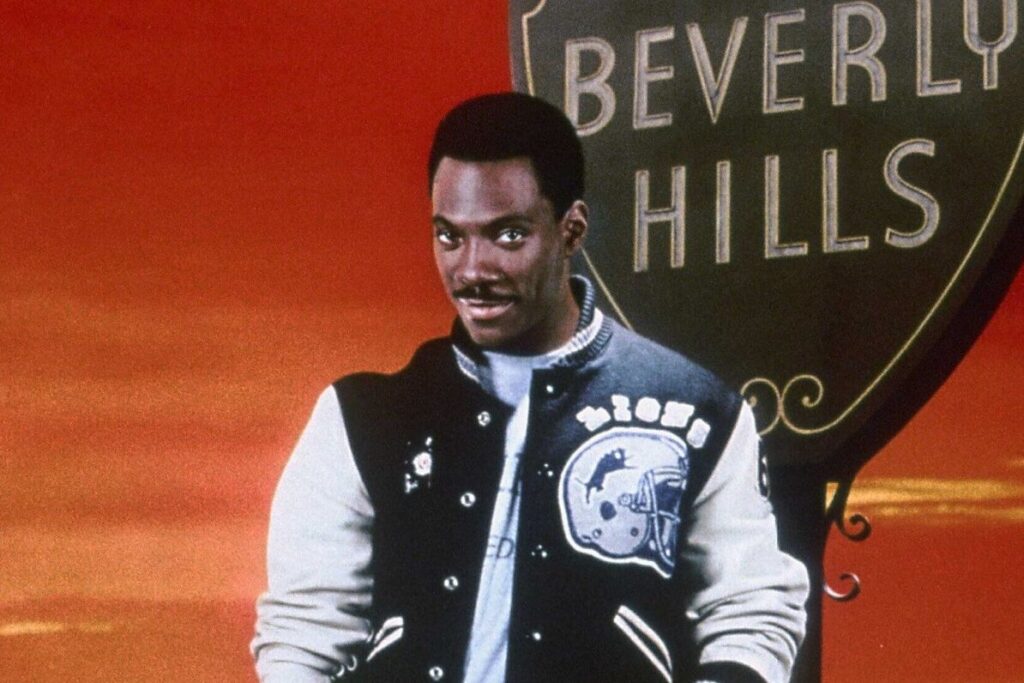
9. Beverly Hills Cop Launched Eddie Murphy Higher
With Beverly Hills Cop, Eddie Murphy transitioned seamlessly from stand-up comedy to blockbuster leading man. Playing Axel Foley, Murphy combined street-smart charm, fast-talking humor, and physicality to create a character audiences adored. He later said in interviews that trusting his instincts during filming was key to the performance, and that authenticity is what made the film resonate. The role showcased his unique comedic timing and versatility, proving he could carry a major Hollywood production.
Beverly Hills Cop became a massive success and transformed Murphy’s career. It gave him global recognition and positioned him as one of the decade’s top box-office stars. Beyond commercial success, the role opened doors for future projects that blended action and comedy, a genre Murphy would come to dominate. The film exemplifies how one role, grounded in natural talent and timing, can reshape an actor’s career. For Murphy, Axel Foley was more than a character; he was a vehicle that expanded opportunities and solidified his place in Hollywood history.
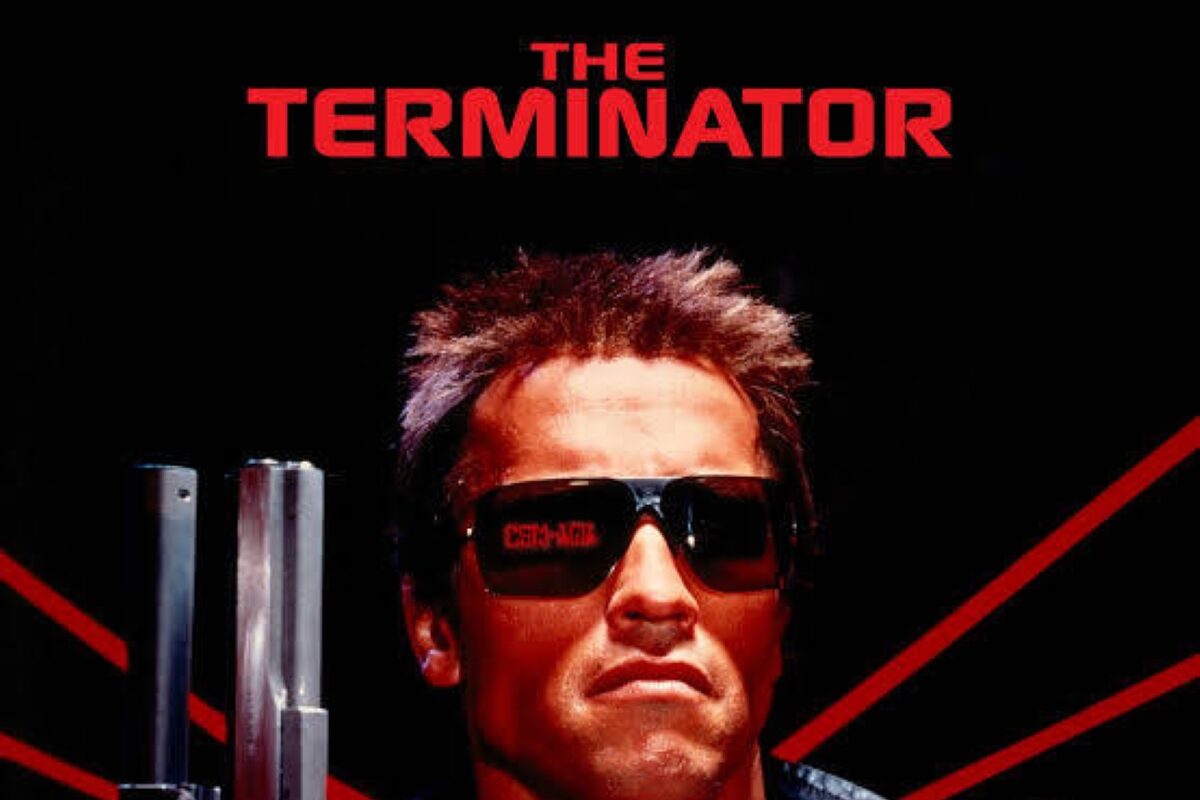
10. The Terminator Built Arnold Schwarzenegger’s Legacy
The Terminator gave Arnold Schwarzenegger a line that would echo for decades: “I’ll be back.” Playing a relentless cyborg assassin, Schwarzenegger transformed from a bodybuilding champion into an international movie star. He later reflected that the character’s simplicity made it memorable, allowing audiences to focus on presence, menace, and intensity rather than dialogue. The role was a perfect mix of physicality, suspense, and timing, cementing him as a compelling on-screen presence.
The film’s success laid the foundation for a multi-film franchise and a long, varied Hollywood career. It showcased Schwarzenegger’s ability to combine muscle, charisma, and a unique screen persona, redefining what action heroes could be. Beyond the career boost, the role became iconic, influencing pop culture and future sci-fi storytelling. For Schwarzenegger, The Terminator wasn’t just another part—it was the role that launched him into global recognition and established a legacy that continues to resonate decades later. It is a reminder of how the right role at the right time can transform a life entirely.
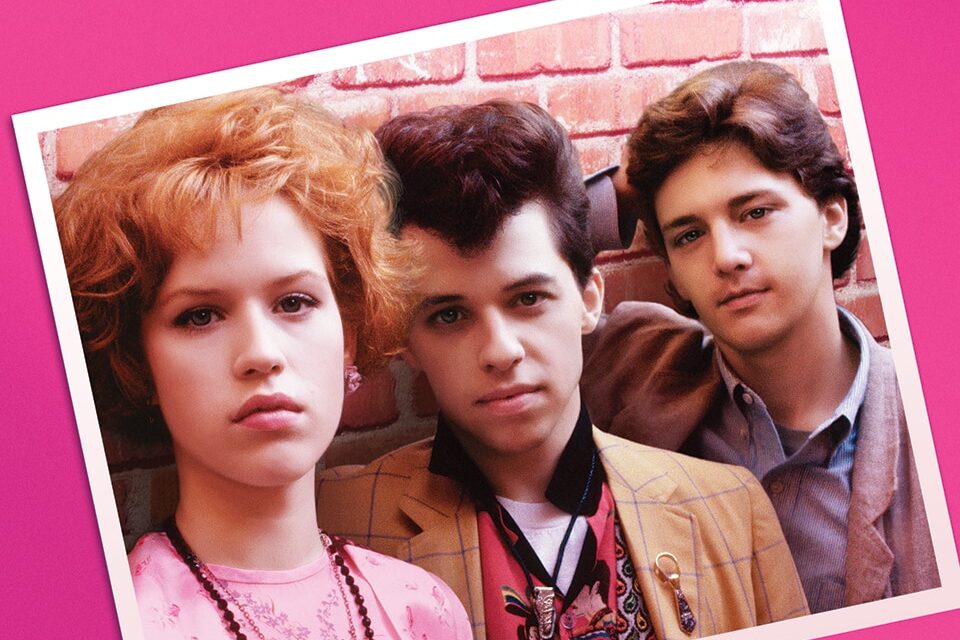
11. Pretty in Pink Defined Molly Ringwald
Pretty in Pink gave Molly Ringwald a starring role that captured the hearts of teen audiences everywhere. Playing Andie, the outsider navigating love, friendship, and social divides, Ringwald brought warmth, vulnerability, and authenticity to a character many viewers related to. She later reflected that she connected deeply to the story because it mirrored her own feelings of trying to fit in while staying true to herself.
The film cemented Ringwald as a leading face of the Brat Pack era, and her performance became a touchstone for teen films in the 1980s. It influenced the way young women were portrayed on screen, balancing strength and emotion. While some actors struggle to move beyond iconic early roles, Ringwald embraced the legacy while continuing to explore varied projects. Pretty in Pink demonstrates how one defining role can leave a lasting cultural imprint while shaping an actor’s career and identity. It’s a story about timing, relatability, and the magic that happens when an actor perfectly embodies a character audiences can see themselves in.
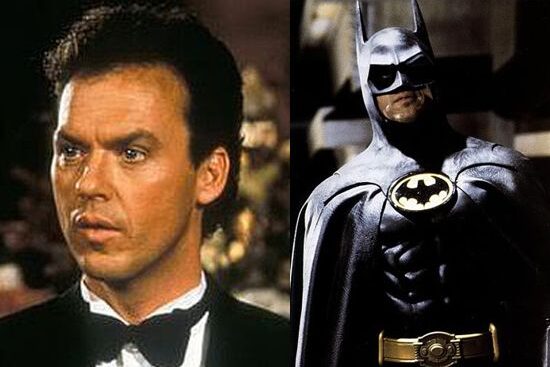
12. Batman Changed Michael Keaton’s Path
When Batman cast Michael Keaton, fans were skeptical that a comedic actor could carry the Dark Knight. Keaton later admitted he understood the doubts but felt ready to take on the challenge. His portrayal blended brooding intensity with subtle humor, capturing both the darkness and humanity of Bruce Wayne. Director Tim Burton praised Keaton’s ability to make the character compelling, and audiences were soon convinced.
Batman became a global phenomenon, transforming Keaton’s career overnight. He proved he could lead a massive blockbuster, opening doors to dramatic and franchise roles. The film’s success redefined how superheroes were portrayed, and Keaton’s performance remains a standard for grounded yet cinematic interpretations of iconic characters. Beyond career impact, the role showed the power of risk-taking: stepping into unexpected territory can yield tremendous rewards. For Keaton, Batman wasn’t just a movie—it was a turning point that solidified his place in Hollywood history.
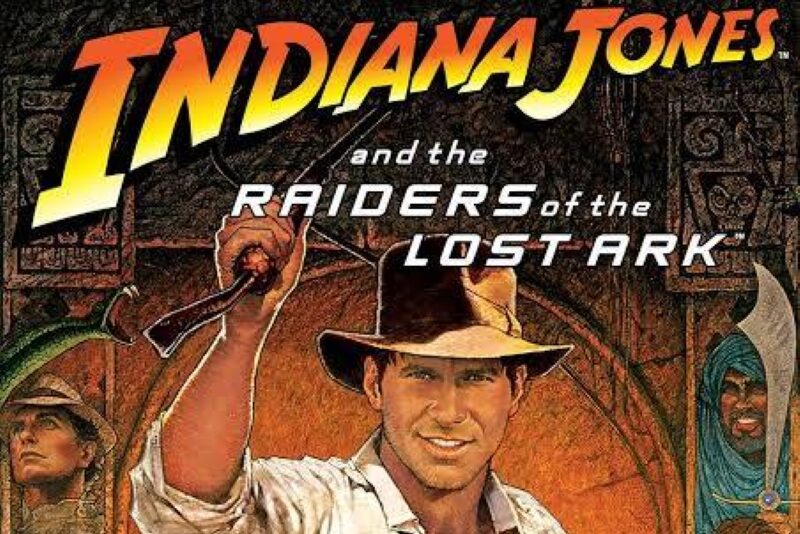
13. Raiders of the Lost Ark Elevated Harrison Ford
Raiders of the Lost Ark transformed Harrison Ford into Indiana Jones, a character who combined adventure, wit, and rugged charm. Ford brought grounded humanity to the swashbuckling archaeologist, making him relatable even in the wildest scenarios. He later reflected that the character’s believability, despite outrageous stunts, was key to connecting with audiences and creating an enduring legend.
The film’s success cemented Ford as one of the most bankable stars in Hollywood, expanding his reach beyond Star Wars. Indiana Jones became synonymous with adventure, earning sequels, spin-offs, and decades of cultural relevance. The role demonstrated how the right combination of charisma, skill, and story can elevate an actor to iconic status. For Ford, it wasn’t just a role—it was a defining moment that shaped both his career and popular culture. Raiders of the Lost Ark remains a blueprint for adventure storytelling and a career milestone that continues to inspire actors and fans alike.
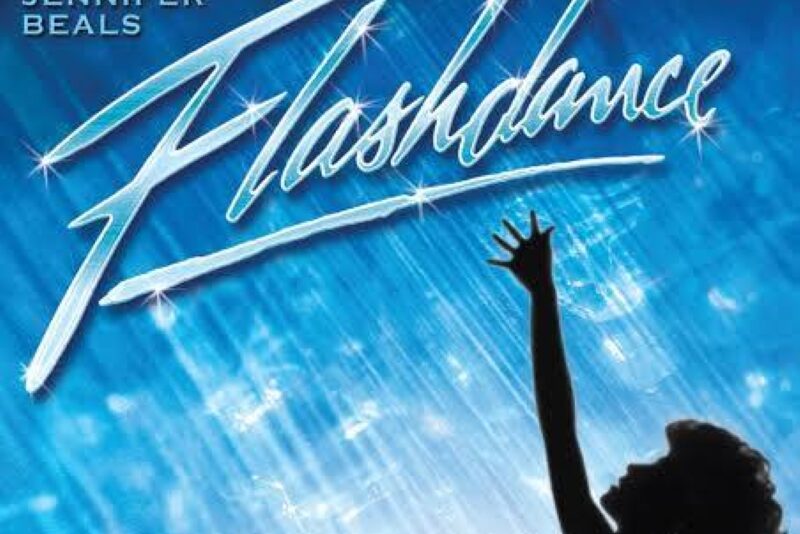
14. Flashdance Sparked Jennifer Beals’ Breakout
Flashdance introduced Jennifer Beals to global audiences as the aspiring dancer Alex Owens. Beals brought intensity and vulnerability to a character who pursued her dreams with relentless determination, resonating with viewers who admired both her talent and tenacity. She later said she was surprised by how much the film connected with audiences and how it turned into a cultural phenomenon.
Flashdance launched Beals’ career in a way few debut roles do, giving her visibility and credibility in Hollywood. Beyond fame, it became a symbol of ambition and artistic expression. The film’s iconic sequences, music, and style helped cement a legacy that continues to influence dance films and pop culture references. Beals’ journey reminds us that a single breakthrough role can set the tone for decades of opportunities, shaping not just a career but a lasting cultural impression. Flashdance exemplifies the intersection of talent, timing, and audience connection.
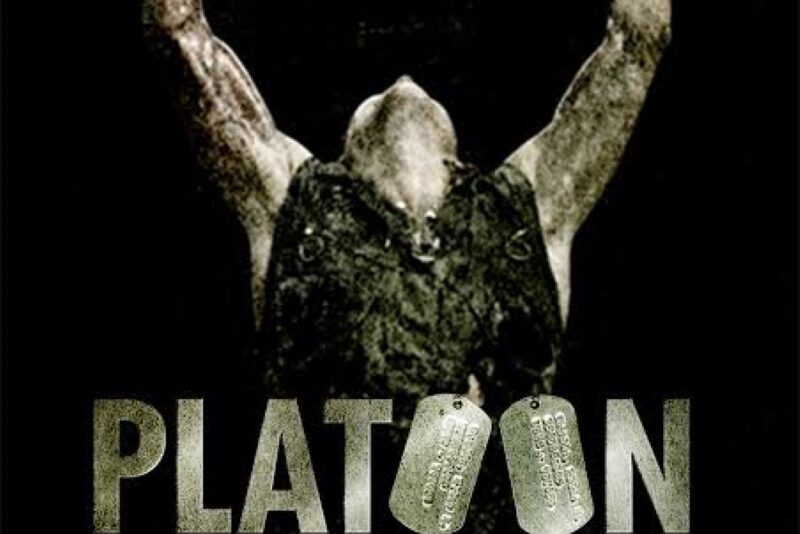
15. Platoon Reframed Charlie Sheen
Platoon placed Charlie Sheen in the midst of war, portraying a young soldier experiencing fear, camaraderie, and moral conflict. Director Oliver Stone described the film as deeply personal, and Sheen rose to the challenge by balancing vulnerability and tension. His performance gave the audience a window into the human side of combat, revealing complexity beyond action and spectacle.
Platoon marked a turning point, providing Sheen with dramatic credibility that complemented his earlier work. The role helped him navigate Hollywood as a serious actor while expanding his range and depth. It also showed the impact of aligning with visionary directors on powerful stories. For Sheen, Platoon wasn’t just a war movie—it was an opportunity to prove artistic seriousness in a decade full of dynamic film opportunities. It stands as a reminder that some roles are career-defining because they challenge actors to explore the human experience in a compelling way.
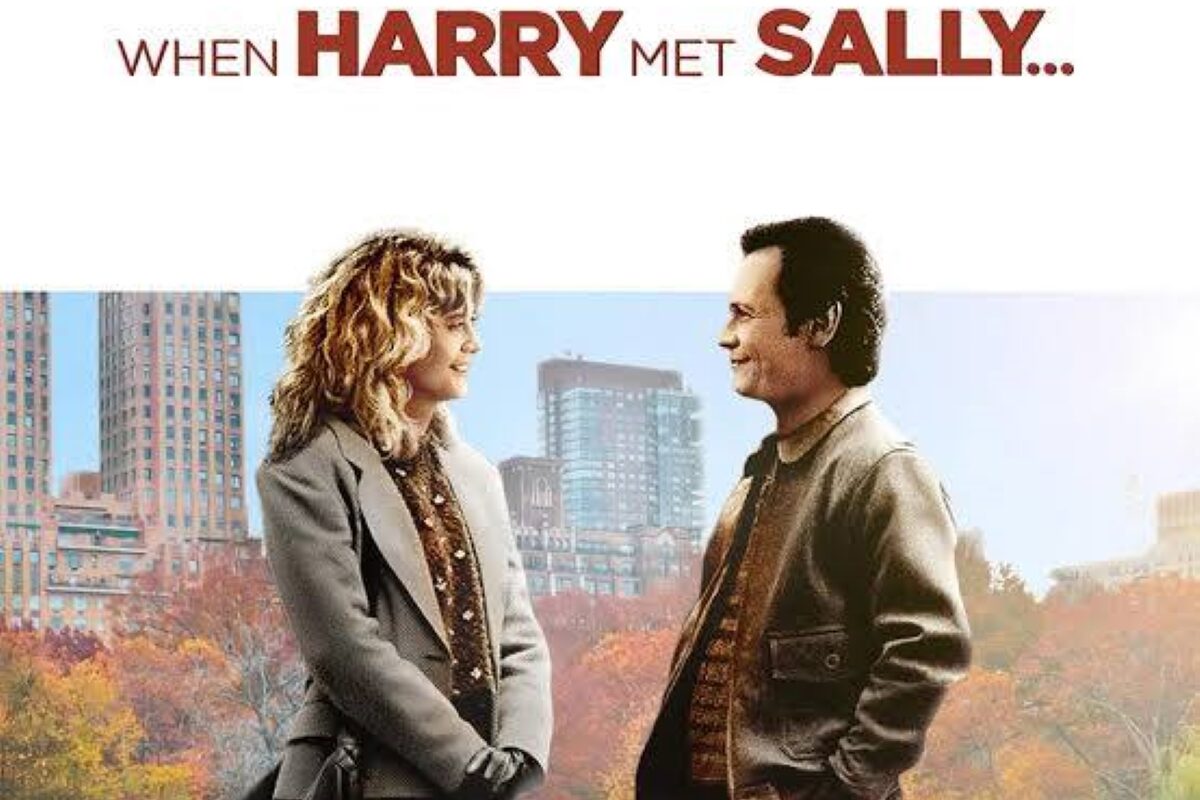
16. When Harry Met Sally… Changed Meg Ryan’s Arc
When Harry Met Sally… gave Meg Ryan one of the most iconic romantic comedy roles of all time. Playing Sally Albright, she captured intelligence, humor, and emotional authenticity in a way that resonated widely. Ryan later reflected that the film’s exploration of love and friendship felt real, saying audiences could see themselves in the conversations and interactions portrayed on screen.
The film’s success transformed Ryan’s career, positioning her as America’s quintessential romantic comedy lead for years to come. It was quoted, imitated, and celebrated for decades, proving the lasting power of relatable, heartfelt performances. Beyond career impact, the film contributed to defining the genre itself. Ryan’s role demonstrates how one part can define a decade, influence storytelling, and connect with audiences in ways that endure far beyond opening weekend. When Harry Met Sally… was a defining moment, shaping both Ryan’s career and the expectations for women in romantic comedies.
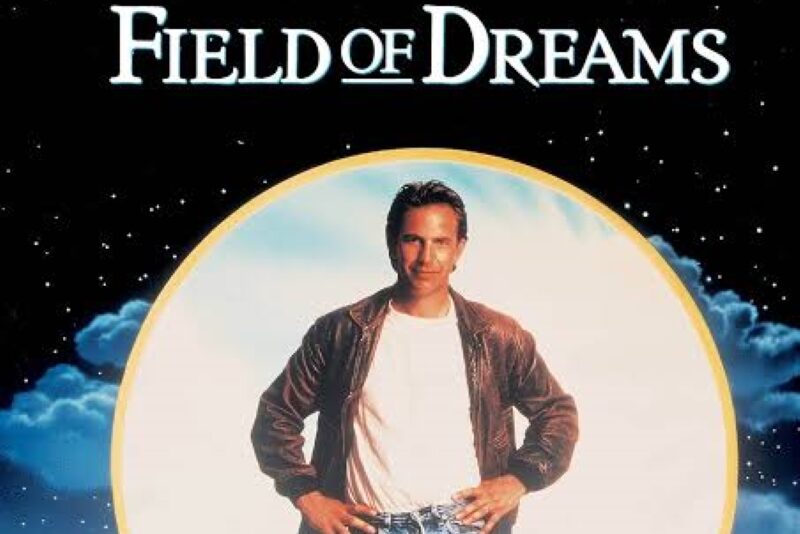
17. Field of Dreams Grounded Kevin Costner’s Stardom
Field of Dreams gave Kevin Costner the role of Ray Kinsella, a man following his faith and dreams. Costner brought sincerity and emotional depth to the role, making the magical story believable and relatable. In interviews, he described the film as a story about hope, connection, and the courage to believe in the unseen, all qualities that resonated with audiences deeply.
Field of Dreams reinforced Costner’s reputation as a leading man capable of grounding extraordinary stories with authenticity. It connected with viewers on a human level, blending sports, family, and fantasy into a timeless tale. The role contributed to a decade-long trajectory of success and established him as an actor whose work could inspire both emotion and reflection. For Costner, Field of Dreams was not just another film—it was a career milestone that balanced heart and performance, reminding audiences that the right role can leave a lasting cultural imprint while shaping the actor’s path for years to come.