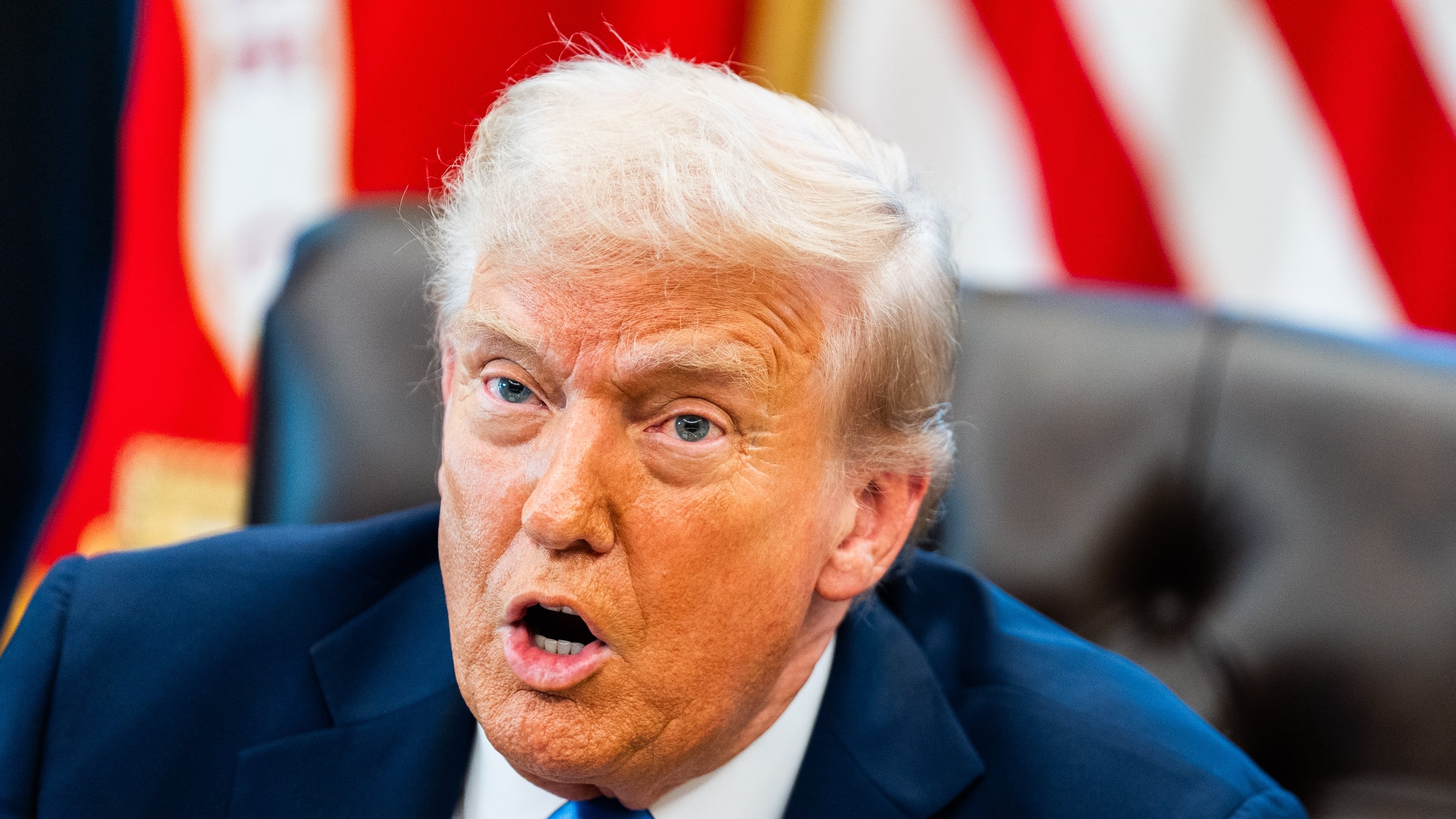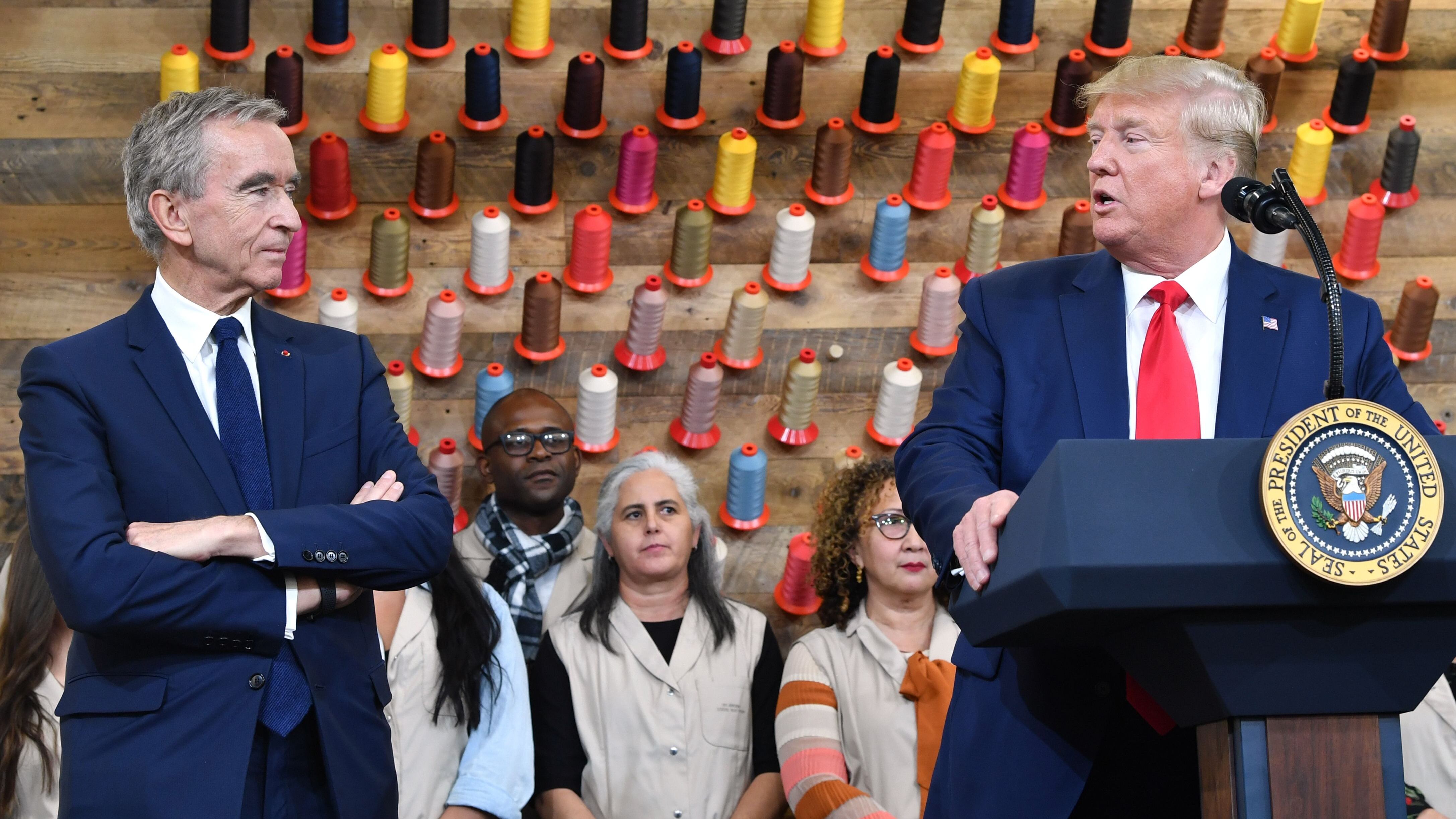
With only days remaining before the expiration of a 10-day ceasefire between Israel and Lebanon, the Trump administration will host a second round of peace talks at the White House on Thursday.
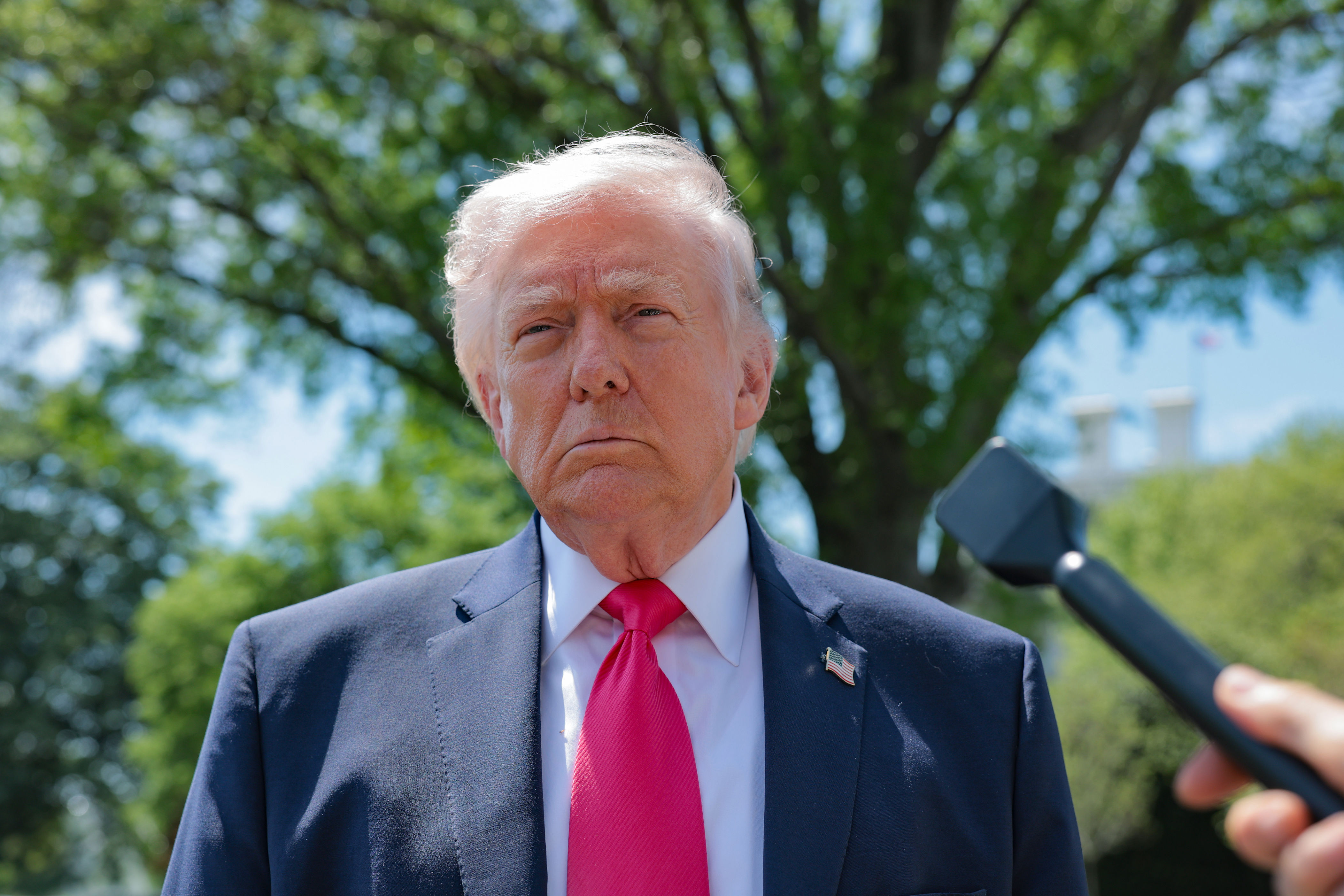
A U.S. official said President Donald Trump will greet the participants, though the ambassador-level meeting will be led by Secretary of State Marco Rubio and State Department Counselor Michael Needham. Lebanon has asked for an extension of the truce, which is scheduled to end Sunday.
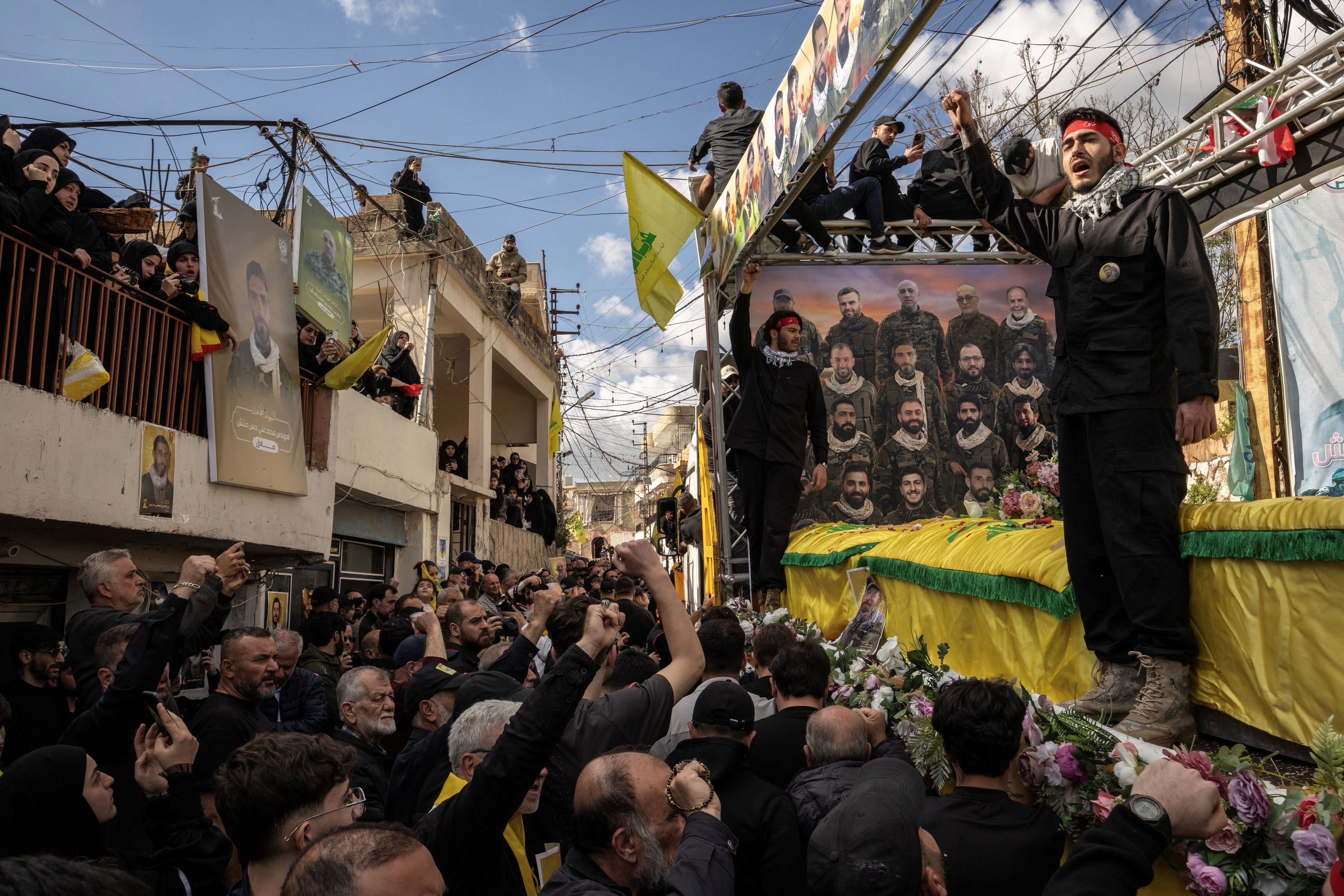
The ceasefire has been only tenuously observed, with reduced but continued attacks by Israel and Hezbollah, which has not officially recognized the truce. On Wednesday, Hezbollah said it launched a drone strike on an Israeli artillery position in southern Lebanon, while a strike on two cars the Israeli military said had crossed its self-declared forward line in southern Lebanon left a Lebanese journalist among the dead.
Each side accused the other of violating the ceasefire.
The strikes laid bare the elephant in the room of the fragile peace talks. Israel is at war with Iran-backed Hezbollah, not Lebanon. And while face-to-face talks between the two neighboring countries for the first time in decades are historic, they owe their existence to the war between the United States and Iran, and their likelihood of success is at least in part linked to separate — and halting — ceasefire negotiations between Washington and Tehran.
Hezbollah inserted itself into that conflict by declaring its allegiance to Tehran after the start of the U.S.-Israeli military campaign against Iran on Feb. 28, launching a massive rocket attack on northern Israel. Israel responded by sending troops into southern Lebanon, displacing the population and destroying homes, and launching air attacks on Beirut.
Lebanon this week put the death toll since early March at 2,454, with 7,658 people wounded, while Israel said 16 of its troops had been killed and 690 wounded.
The Trump administration has denied that the Iran war was the impetus for Trump’s decision to press Israel to agree to a truce and attend the talks. “But the USA will, separately, work with Lebanon, and deal with the [Hezbollah] situation in an appropriate manner,” Trump said in a social media post last week. In the meantime, he said, the U.S. had “prohibited” Israel from bombing Lebanon.
More than 1.2 million Lebanese have been displaced, most of them from the south. Many of them returned during the ceasefire, despite Israeli warnings, to find their homes destroyed.
No details were released after the first round of talks last week. Asked what was on the agenda for the Thursday session, a State Department spokesperson said, “We will continue to facilitate direct, good-faith discussions between the two governments.”
There is little optimism that these low-level talks will bring an end to decades of hostility between Israel and Hezbollah. In addition to its military, Hezbollah is a powerful political force in Lebanon, where factionalism has frequently led to internal violence.
Experts who have followed the conflict through at least a half-dozen Israeli invasions and occupations of southern Lebanon over the years — and the thousands of Hezbollah rockets rained on northern Israeli communities — have described the talks as the first stage of an opportunity whose success depends largely on the Trump administration’s attention span and commitment.
“The talks are important because they’re happening, not because of any substance” so far, said a former U.S. official who spoke on the condition of anonymity to provide a candid assessment.
A ceasefire negotiated in 2024 by the Biden administration included extensive assistance to the Lebanese military and agreements by the Lebanese government that it ultimately was too hesitant and weak to enforce.
“They said they would clear southern Lebanon” of Hezbollah, said Fadi Nicholas Nassar, a fellow at the Middle East Institute in Washington. “That proved not to be true. Lebanon said they would demilitarize and outlaw Hezbollah military activities” in both the south, where a large Shiite population forms the group’s base of support, and in Beirut, the capital. Neither of those things happened.
“The big worry in Lebanon is that if they confront Hezbollah, they will be left alone” to deal with the militants and with Israel, Nassar said. “What Washington can do in this moment is shift the calculus and empower those actors who are willing to confront Hezbollah … and raise the cost for obstruction.”
The Biden deal, which included mentorship and backup on the ground by U.S. and European forces, quickly fell victim to violations by both Israel and Hezbollah, and the new Trump administration turned its attention elsewhere.
The administration “never expanded the mechanism as it was written,” the former official said. “They had weak representation … the important people in the U.S. weren’t paying attention to Lebanon over the past year.”
In the fall, the Trump administration allocated about $250 million to the Lebanese security forces, contingent upon verified measures to disarm Hezbollah and dismantle its military infrastructure in southern Lebanon. Those tasks may now become easier if Iranian aid to Hezbollah is curtailed and the Lebanese government can demonstrate both the willingness and sufficient force to undertake demobilization and disarming efforts.
Even if it can take steps toward removing Hezbollah as a military force, however, the government’s sovereignty is deeply compromised by Israel’s occupation. With Israeli troops now controlling a large swath of southern Lebanon as a “buffer zone,” Israel has shown little inclination to leave. Some members of Israeli Prime Minister Benjamin Netanyahu’s government have called for annexation of the territory.
Late last month, Finance Minister Bezalel Smotrich said Israel should establish a new northern border along the Litani River, about 25 miles inside Lebanon. “The current war in Lebanon must end with a radical change, beyond the vanquishing of the terror group Hezbollah,” Smotrich said.
“The Litani must be our new border with the state of Lebanon, just like the ‘Yellow Line’” that delineates the half of Gaza still occupied by Israel, he said in an address to his Religious Zionism Party, a key component of Netanyahu’s coalition government. Trump’s Gaza peace plan calls for Israel’s eventual withdrawal from all of the territory once Hamas militants are disarmed — a process that has not begun six months after a ceasefire was signed there.
Earlier this month, 18 Israeli lawmakers, including members of Netanyahu’s Likud party and Religious Zionism, wrote to members of his cabinet demanding that they “move toward a fundamental change in Lebanon, including the full occupation until the Litani River … and the complete evacuation of the population.”
In a speech Wednesday at Israel’s Memorial Day ceremony for fallen soldiers, Foreign Minister Gideon Saar called Lebanon a “failed state … that is de facto under Iranian occupation through Hezbollah.” Israel, he said, was willing to work with the Lebanese government against their common enemy.
“We don’t have any serious disagreements with Lebanon,” Saar said. “There are few minor border disputes that can be solved.”
“What matters now is not just words, it’s the attention,” and substantive outside support for the Lebanese government and its military as it attempts to disarm Hezbollah, the Middle East Institute’s Nassar said. “But it takes time to get those steps right. Keeping Washington … focused is the only way out.”
Most Read From The Washington Post
- Once accused of election fraud, former small-town mayor leaves court to applause
- Man charged with lying to police about gun used by Louisiana shooter
- Michael Tilson Thomas, eminent orchestra leader, dies at 81
- Louisiana gunman who killed eight children masked his rage before rampage
- Can you pass the new U.S. citizenship test?