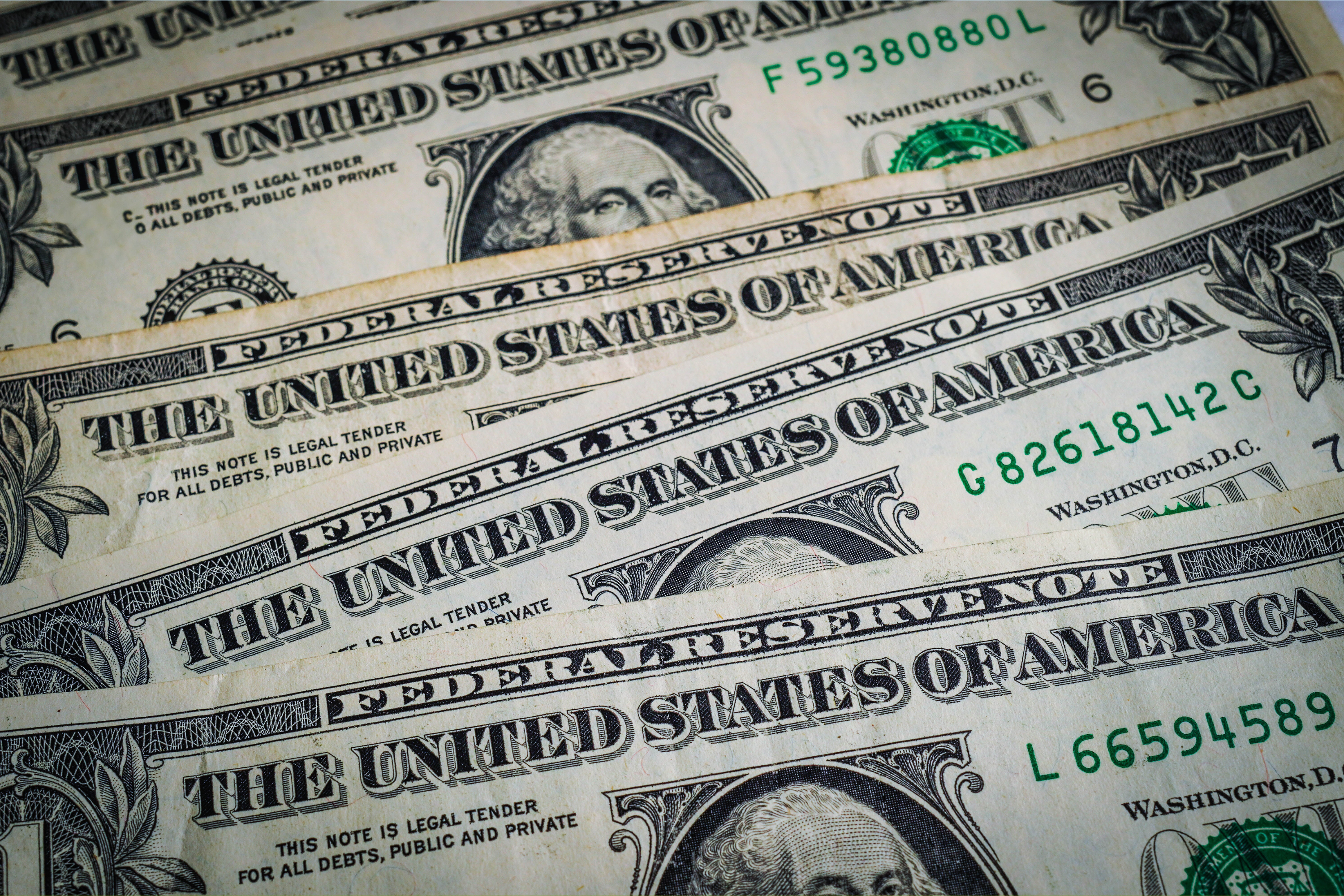
A growing number of Americans are receiving monthly payments of up to $1,000 in May as cities across the U.S. continue to roll out so‑called universal basic income (UBI)–style programs—once considered a fringe policy, now gaining momentum nationwide.
While there is no standardized UBI system across the nation, many cities and counties have tested, or are testing, guaranteed income pilot programs in recent years, offering recurring, no‑strings‑attached cash payments to selected residents.
Where Payments Are Being Issued—And How Much
According to data from the Guaranteed Income Pilots Dashboard, a research-backed tracker maintained by Stanford’s Basic Income Lab, the following U.S. locations are issuing monthly payments, with amounts varying widely by program.
List of locations and monthly payments:
- Alexandria, VA — $500/month
- Atlanta, GA — $500/month
- Baltimore, MD — $1,000/month
- Birmingham, AL — $375/month
- Cambridge, MA — $500/month
- Columbia, SC — $500/month
- Durham, NC — $600/month
- Gainesville, FL — $1,000 (first month), then $600/month
- Ithaca, NY — $450/month
- Los Angeles, CA (city program) — $1,000/month
- Los Angeles, CA (BOOST program) — $1,000/month
- Los Angeles County, CA — $1,000/month
- Louisville, KY — $500/month
- Madison, WI — $500/month
- Mount Vernon, NY — $500/month
- Mountain View, CA — $500/month
- New Orleans, LA — $350/month
- New Orleans & Indianapolis (joint program) — $200/month
- New York City, NY — up to $1,000/month
- Newark, NJ — $500/month
- Oakland, CA — $500/month
- Paterson, NJ — $400/month
- Polk, Dallas & Warren Counties, IA — $500/month
- Providence, RI — $500/month
- Richmond, VA — $500/month
- San Diego, CA — $500/month
- Santa Fe, NM — $400/month
- Shreveport, LA — $660/month
- St. Paul, MN (People’s Prosperity Pilot) — $500/month
- St. Paul, MN (Springboard program) — $500/month
- Tacoma, WA — $500/month
- West Hollywood, CA — $1,000/month
Other pilot schemes are running for smaller populations, such as the guaranteed income pilot program for around 20 families in Ellicott City, MD, who will get $1,000 per month.
Payments typically range from $350 to $1,000 per month, depending on the program, but the highest payments seem to be concentrated in major metro areas such as Los Angeles, New York City, Baltimore and West Hollywood.
What Is a UBI Payment Vs a Guaranteed Income Payment?
A UBI is a system in which all individuals receive regular, unconditional cash payments—typically from the government—regardless of income, employment status, or need.
Most U.S. programs, however, are technically “guaranteed income” pilots, meaning:
- Payments are targeted, not universal
- Recipients are typically low-income or financially vulnerable residents
- There are no restrictions on how the money is spent
Unlike traditional welfare programs, guaranteed income payments generally come with:
- No work requirements
- No spending rules or restrictions
- Direct monthly cash payments, typically delivered via bank transfer or prepaid card
Who Is Eligible For a Guaranteed Income Payment?
According to Dollar Relief, eligibility varies by city, but most programs focus on:
- Households earning below a certain income threshold (often tied to local median income)
- Residents living in a specific city or ZIP code
- Groups facing economic hardship (e.g., parents, caregivers, unemployed workers)
Some programs also prioritize single parents, communities disproportionately affected by poverty, or individuals impacted by the pandemic or inflation.
How To Apply—And Why Many Can’t
In most cases, applications are not open to the general public. Instead, participants are often chosen via lotteries or targeted outreach, and many programs are already closed to new applicants.
For residents in eligible areas, the best steps are to:
- Check your city or county website
- Search for “guaranteed income” or “basic income pilot”
- Sign up for alerts or future application rounds
Why Some Cities Offer Payments—And Others Don’t
The rollout has been uneven across the U.S., driven by several factors:
1. Funding availability
Most programs are funded by federal pandemic relief funds, local government budgets, or private donors or nonprofits. Cities without this type of funding simply can’t sustain the programs.
2. Political support
Some local leaders view guaranteed income as a way to reduce poverty and inequality. Others oppose it, arguing it may discourage work or strain public finances.
3. Cost of living pressures
Programs are more common in high-cost cities like Los Angeles and areas facing housing crises or income inequality.
While millions of Americans are not receiving UBI, a patchwork of city-led programs is quietly expanding, offering up to a $1,000 a month support to selected households.
For now, whether you receive payments depends largely on where you live—but with momentum building, guaranteed income programs may soon reach many more communities across the country.
Related Articles