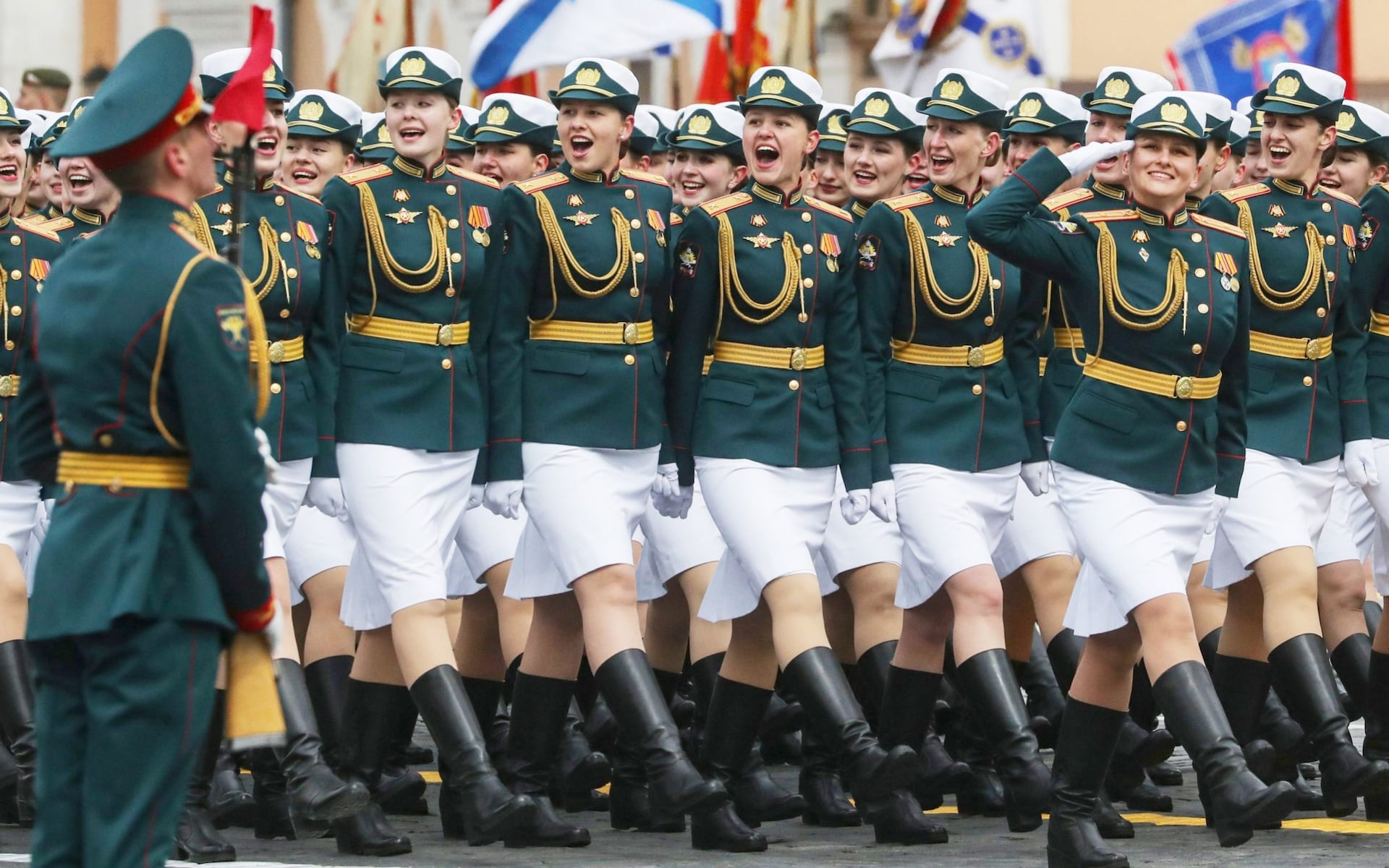
Russia’s victory day parade on Saturday is likely to be a rather less menacing affair than in previous years. Inaugurated after the Second World War to commemorate the Soviet Union’s victory over Nazi Germany, it was always an opportunity for the Kremlin to show off the size and sophistication of its armed forces, and later for Vladimir Putin to stoke nationalist fires in Russian hearts. This year, fears of Ukrainian drone strikes have prompted authorities to downgrade the event. No military hardware may be on display at all.
What victories does Putin have to his name, anyway? The full-scale invasion of Ukraine has now gone on longer than the Great Patriotic War (what Russians call their conflict with Nazi Germany), and there are suggestions that Russian troops are falling back in some areas. Casualty rates remain extraordinarily high, with signs that the Kremlin is struggling to fill the gaps in its ranks in the usual ways. The mud season – called bezdorizhzhia in Ukrainian or rasputitsa in Russian – is coming to an end, which may bring further movement on the battlefield.
Ukraine has also played its hand well in relation to another conflict: the war in Iran. Kyiv has worked to prevent Putin from taking advantage of higher energy prices by striking Russian oil infrastructure. It has deftly navigated the shifting geopolitical map in the Middle East, by lending its drone warfare expertise to Gulf states under attack from Iran. It will not have passed notice in Washington, either, that Russia has provided assistance to the regime in Tehran.
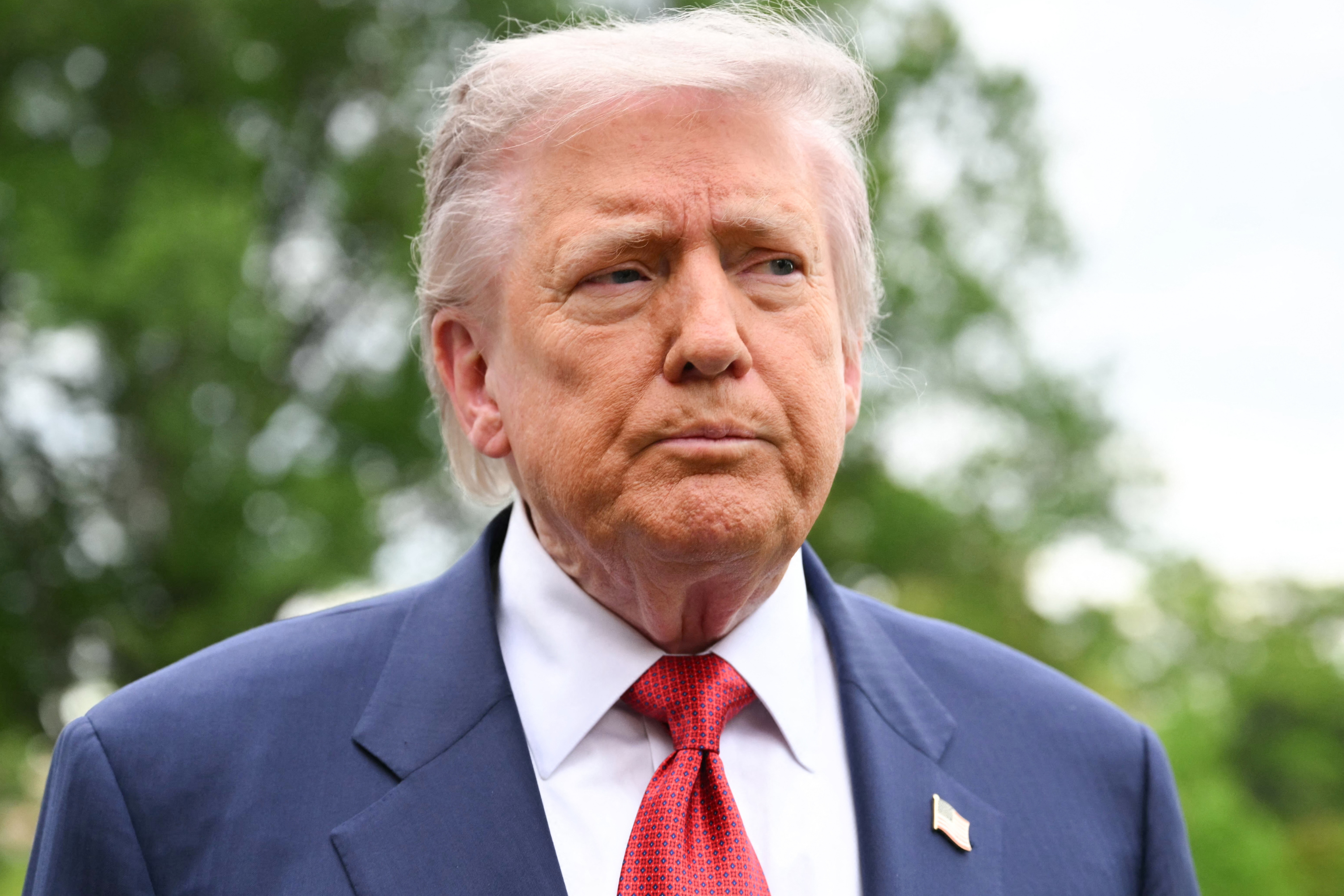
This may not translate into more consistent US support for Kyiv: Volodymyr Zelensky has more reason than most to reflect on Donald Trump’s mercurial temperament. The Kremlin seems to have broken a truce it demanded to coincide with the Victory Day celebrations, giving Ukrainians little respite from the relentless Russian assault. But it is notable that, as Russia’s military lustre has faded, Ukraine has emerged as a power deemed worthy of emulation. It still obviously requires Western help, but its innovations are in high demand by other armed forces, mindful that many of their old ideas have been rendered redundant, especially by drones.
There is no evidence that Putin is prepared to give up on his war. He has, if anything, intensified repression at home. But as Saturday is likely to show, the brave defenders of Ukraine have made him pay a high price for his folly.