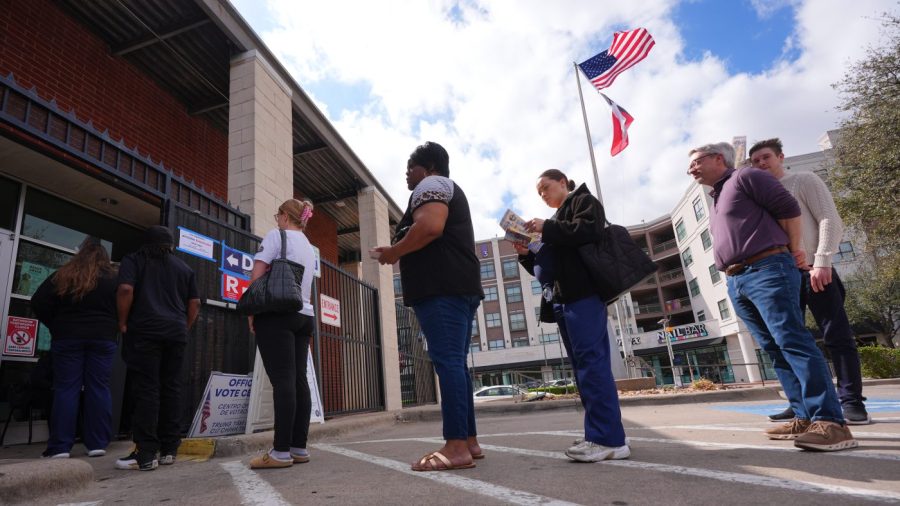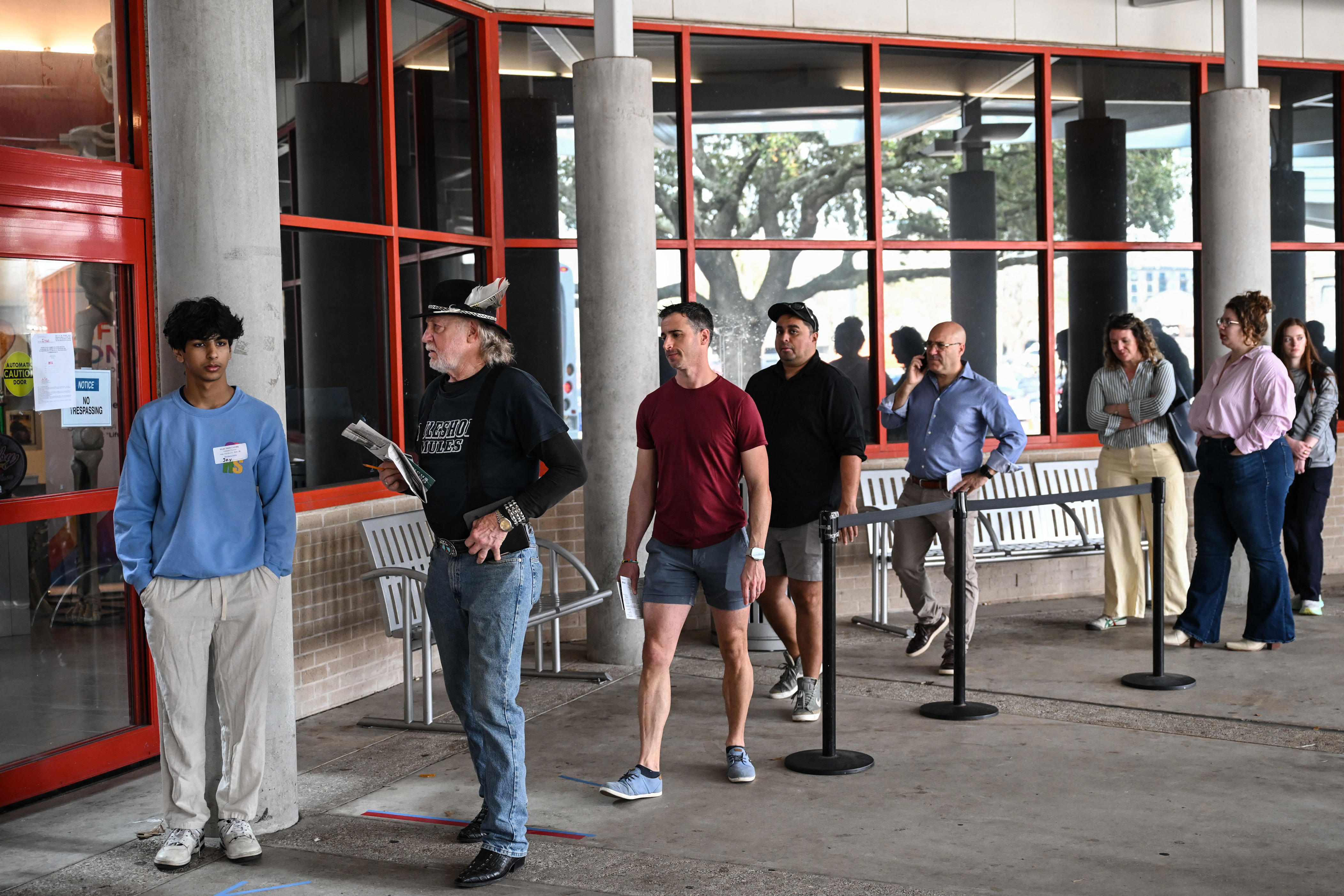
Surprises and uncertainty dominated the evening after millions of Americans flocked to the polls on March 3 kicking off the high-stakes 2026 midterm elections that will largely be a referendum on President Donald Trump's return to power.
Voters across three states − Arkansas, North Carolina and Texas − made their voices heard but much of the national spotlight shined on the Republican and Democratic primaries for U.S. Senate in the Lone Star State, which cost about $110 million combined breaking campaign spending records.
Confusion reigned on the Democratic side, however, after election rules and court orders disrupted the battle between Rep. Jasmine Crockett and state Rep. James Talarico in a contest that was fought over style and perceived electability in November than their modest policy differences. Late Tuesday evening, Crockett told supporters not to expect results until the following day.
Start the day smarter. Get all the news you need in your inbox each morning.
Yet overnight, the contentious race was settled: Talarico, whose Christian faith and genial populism grabbed national attention, pulled off an upset against Crockett.
The contest served as a gut check for Democrats over how best to confront Trump and win over swing voters.
But Republicans had their own skirmishes to contend with, mostly in Texas, where longtime Sen. John Cornyn faced a major challenge from more right-leaning insurgents and Rep. Dan Crenshaw, R-Texas, once considered a rising GOP star, was crushed by a newcomer in his primary.
Here are the important takeaways from the March 3 primaries.
Election rules, court orders disrupt Crockett-Talarico showdown
Roughly 1.4 million voters cast ballots in the Democratic primary battle between Crockett, known for her viral clap-backs aimed at Republicans, and Talarico, who run on a populist message.
The early results showed Talarico performing well in Hispanic areas.
With 94% of the votes counted on Wednesday, March 4, Talarico had just under 53% of the vote, a comfortable lead over Crockett's nearly 46%, according to the Associated Press.
But the horserace was eclipsed by reports that voters in two major counties, including Crockett's hometown of Dallas, were turned away from polling places.
Local voters for years had been allowed to cast their ballot anywhere in the county, but Republicans in Dallas County and Williamson County opted to change the rules for the 2026 primary, and require people cast ballots only at their assigned precinct.
A judge ordered the voting period to be extended by two hours at the urging of both Democratic contenders. But the Texas Supreme Court, at the behest of state Attorney General Ken Paxton, ruled the Dallas County ballots cast after the original close of polls had to be separated from other ballots.
"Unfortunately, this is what Republicans like to do, and so they specifically targeted Dallas County, and I think we all know why," she said of the disruptions.
A spokesperson for her campaign told the Associated Press she plans to file a lawsuit over the alleged disenfranchisement.
Cornyn and Paxton headed for even nastier May 26 run-off
Republicans had their own bitter primary that put Cornyn's career on the line as he tried mightily to fend off two MAGA-affiliated challengers in U.S. Rep. Wesley Hunt and scandal-plagued state Attorney General Ken Paxton.
As polls had projected, neither Cornyn or Paxton had enough votes to cross the needed 50% threshold to avoid a run-off, meaning their nasty squabble will continue until the May 26 rematch.
The 74-year-old incumbent was backed by Senate Republican leaders and pummeled both rivals. Trump notably took a pass on endorsing anyone in the race. Attacks on Paxton focused on his bribery allegations and marital drama.
"Judgement Day is coming for Ken Paxton," the Cornyn campaign said in a March 3 post on X.
Paxton is considered a MAGA darling who has emphasized his lawsuits against the Biden administration and support for Trump. He has also demonstrated a remarkable ability to survive the onslaught of political scandals.
What happens next will largely depend on Trump, who will be lobbied heavily by top Senate leader and former campaign advisors who will argue "now is the time Texas is put to bed for the sake of the Senate majority," a GOP operative close to the Cornyn campaign told USA TODAY.
Crenshaw loses in shocking GOP Texas upset
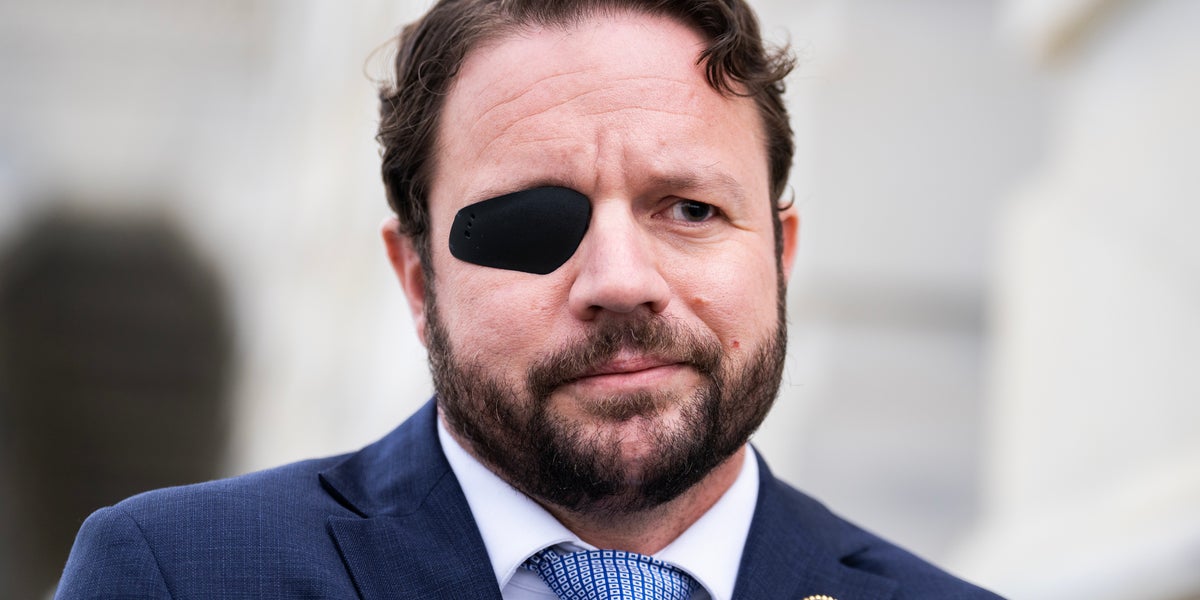
There was a time when Rep. Dan Crenshaw, R-Texas, was thought to be a face of the new conservatives after speaking at the 2020 Republican National Convention.
A veteran of the wars in Iraq and Afghanistan, he sports trademark eyepatch after being injured in combat that brought him national media attention.
He's championed causes on the political right, such as prohibiting federal funding for gender-affirming care, while being praised by the National Rifle Association.
But Crenshaw's support for Ukraine aid, certifying the 2020 election results and supporting a bipartisan immigration enforcement deal during the Biden era displeased Trump. He was the only House Republican incumbent in Texas in 2026 who didn't have the president's endorsement.
Crenshaw drew multiple primary challengers, including from state Rep. Steve Toth, who was backed by Sen. Ted Cruz, in a just-redrawn district that mostly covered new territory.
In another late-night call, Texas GOP State Rep. Steve Toth defeated incumbent Crenshaw, multiple outlets reported, in the primary for the newly mapped 2nd Congressional District.
Age referendum in newly drawn Texas district?
The age of U.S. elected officials was a major sticking point for Democrats in 2024 given dogged questions about then-President Joe Biden and about six in 10 Americans tell pollsters Trump's age is a concern.
That generational divide will be one of the main features of the 2026 Democratic primaries as a herd of younger candidates are looking to push the old guard out of office.
One of the first races that issue showed up was a Texas primary battle between Rep. Al Green, 79, and Rep.-elect Christian Menefee, 37, in the state's newly-drawn 18th congressional district, which was crafted as part of Trump's larger redistricting war.
With about 94% of the precincts reporting, Menefee led Green, known for disrupting the past two State of the Union addresses in protest, by roughly 2 points early March 4, in a result that could signal voters are ready for a new generation of Democrats to take over.
It could lead to a runoff if neither congressman breaches the 50% vote threshold.
North Carolina Senate race takes shape
Senate Democrats are bullish on their chances at retaking the upper chamber of Congress this year, too, but it will require an almost-perfect performance in November.
North Carolina is part of that equation given its toss-up status. Trump won the swing state by approximately 3 percentage points in 2024 and it will have an open Senate seat thanks to retiring Republican Thom Tillis forgoing reelection.
Democrats successfully recruited former Gov. Roy Cooper, a moderate who served two terms after first being elected in 2016 and coasted to victory on Tuesday. He will be going against former Republican National Chair Michael Whatley, a close Trump ally, in what will be one of most critical − and likely expensive − Senate contests of the year.
"If (Cooper) could be elected governor in the state, then maybe he has a chance of being elected to the Senate," said Linda Ekman, 73, a retired physician who voted in Hendersonville, North Carolina.
This will be an uphill climb for Democrats, however, given that the current 53-47 GOP majority requires they flip North Carolina but also Alaska, Maine and Ohio while also defending their own seats in Georgia and Michigan.
This story has been updated to include additional information.
Contributing: Kathryn Palmer
This article originally appeared on USA TODAY: 5 takeaways from the Texas and North Carolina 2026 primary kickoff