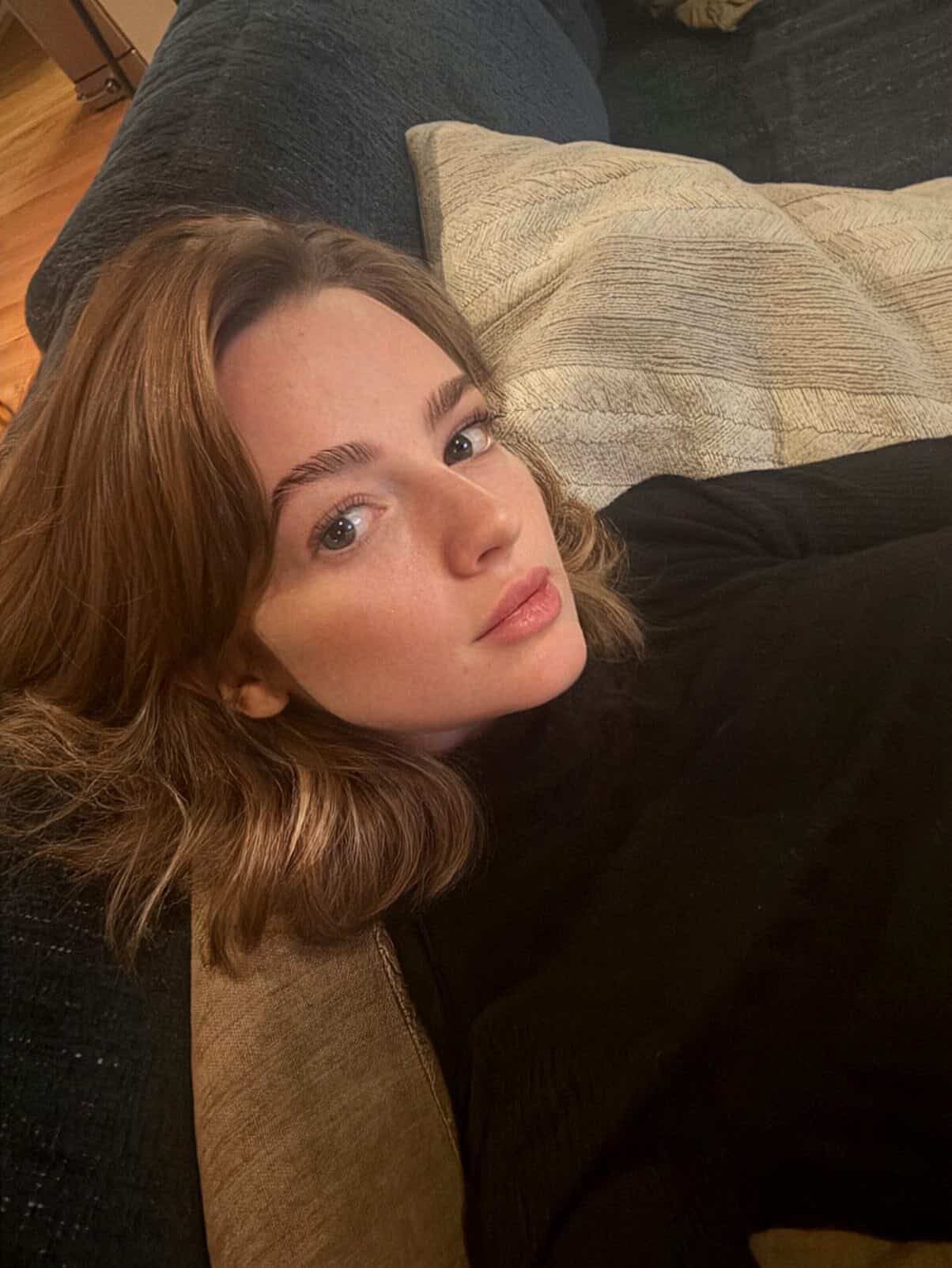
Fresh out of a long-term relationship, Madison Campbell had an idea.
The 30-year-old tech CEO hadn't been on dating apps much. The last time she was on one, she says, was back in college, long before her most recent breakup last year.
Not sold on the prospect of returning to online dating, she asked her friend − who goes by "Murray Hill Guy" on X − to create and run an account for her on Hinge, a popular dating app.
Start the day smarter. Get all the news you need in your inbox each morning.
The idea seemed like a win-win: He could find her a good match and, in the process, gain insight into what it's like being a woman on Hinge. Her expectations were low, but she was interested in how it would play out.
"What we really wanted to see is, what would happen if we downloaded it?" Campbell says. "What would my experience be, even in the first 24 hours? And then, what do guys feel from their perspective as well?"
What happened next surprised both of them. Madison's profile racked up 1,500 to 2,000 likes in 48 hours. Her friend documented his experience as her on Hinge on X, which went viral, getting millions views and sparking a massive discussion online about the different challenges men and women face when it comes to online dating.
Amy Chan, a dating expert and the author of "Unsingle: How to Date Smarter and Create Love That Lasts," coming April 2026, says it's true that men and women have vastly different experiences on dating apps. What they have in common, however, is that both often come away from the apps feel frustrated and unsatisfied.
"For many men, they’re competing to get a date, and the constant rejection, or matches that go nowhere is defeating," Chan says. "For women, they’re getting bombarded with messages, sometimes effortless copy and paste messages. They have to get really good at defense, to filter out low-effort people or weirdos."
Her guy friend ran her Hinge account. It started a viral conversation.
On X, Campbell's friend described feeling overwhelmed by the sheer number of inquiries. The notifications, he wrote, were nearly constant, and often he'd have to resort to rejecting guys off the bat, just to keep up with the never-ending stream of suitors.
Many on X called the experiment eye-opening: "You are doing God's work here," one person wrote. "Most guys don’t understand what it’s like on the other side."
What also stood out was just how boring most messages were. In some cases, it was clear the men didn't even bother reading Campbell's profile. For instance, Campbell doesn't drink − something stated clearly on her profile. Yet, this was lost on so many of the men asking her out.
"It's always like, 'Hey, when are we going to get drink?'" Campbell says. "And you know that they've sent it out to like 15 people. So it really makes you feel like you're nothing."
Still, the experiment gave her empathy for men, too. After all, she says, why would you bother coming up with unique messages for every person when dating apps are basically a numbers game anyway?
"I kind of feel bad for the guys, because, in a way, is it their fault that they're saying this? Probably not," she says. "They probably feel like, 'Why would I put effort or energy into any one given person, considering the fact that they're getting 1,000 (or) 2,000 messages?'"
The truth about men and women's dating app experiences
Blaine Anderson, a dating coach for men, says this experiment validates so many people's frustrations with dating apps. For men, those frustrations stem from getting overlooked in a sea of competition. For women, they stem from getting flooded with sleazy or low-effort messages.
In her dating masterclass, Anderson adds, she shows men a screen recording of her Tinder profile from years ago, so they can see just how many messages women often get. She says it's eye-opening, as so many men are used to receiving fewer matches on their end.
Still, Anderson doesn't believe dating apps are "a total dead end." It just means guys have to put in a lot of work on their profiles if they want to stand out.
Chan encourages daters to have at least three avenues of "lead generation" in finding dates. Dating apps, she says, can be one of them; but the other two shouldn't be. For those, she says, think run clubs, faith communities or professional associations − somewhere that lets you get to know people over time.
"Attraction on an app is largely driven by what I call 'shiny qualities' such as height, status markers, physical attractiveness, lifestyle cues," Chan says. "The very way these apps are designed cause us to shop for people like we’re browsing through a catalogue. Those traits are highly visible and easy to compare in a swipe environment."
This article originally appeared on USA TODAY: Her fake Hinge profile went viral. It reveals a big problem with online dating.