Ohioans are one step closer to November's midterm elections.
The results are in after voters cast ballots in gubernatorial and congressional primaries on Tuesday, May 5. The races will determine who is on the ballot for the upcoming November midterms, which are poised to impact the balance of power in Washington and at home in the Buckeye state.
Here are the election results, as well as what they mean for Ohioans and the country.
Start the day smarter. Get all the news you need in your inbox each morning.
Gubernatorial race results
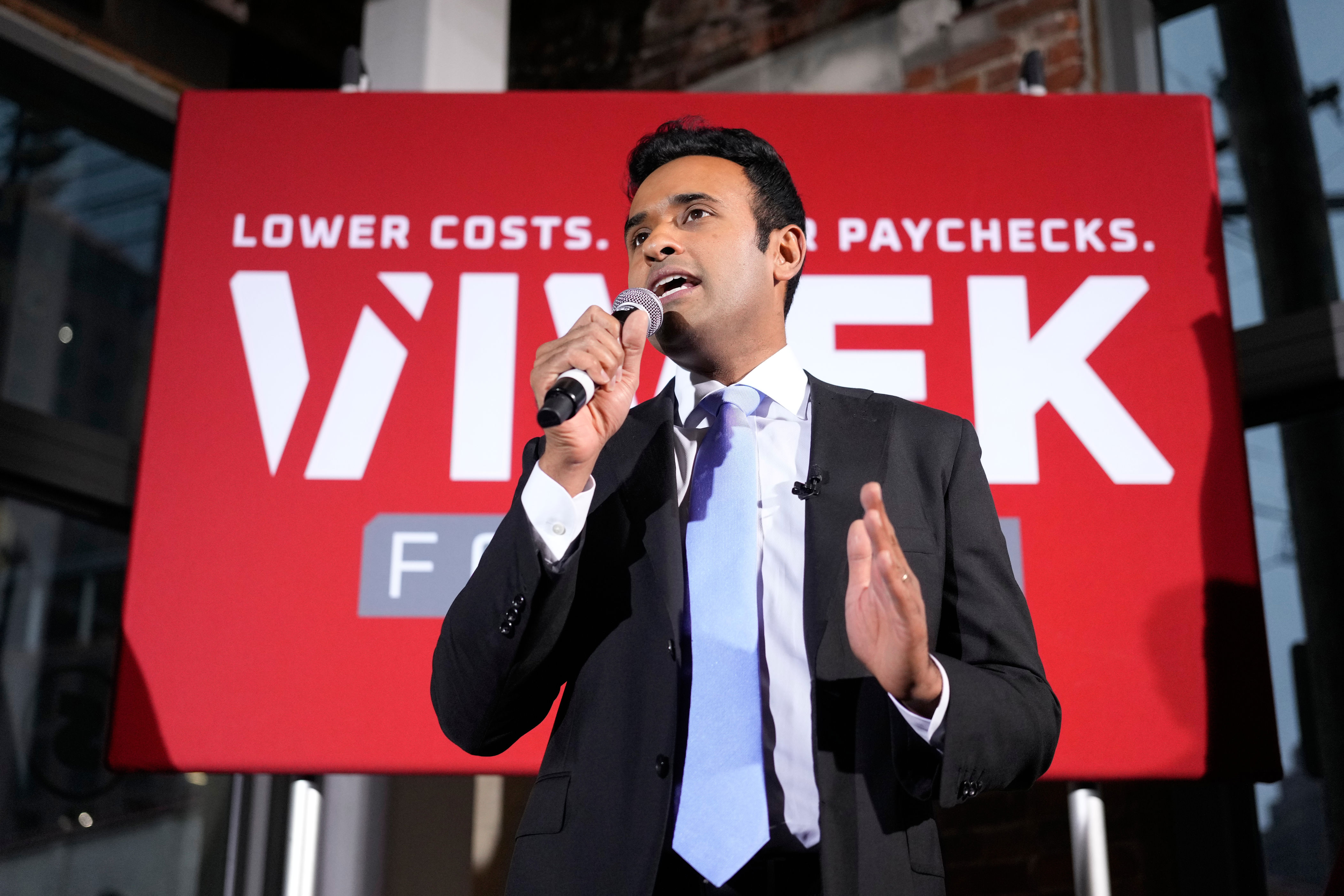
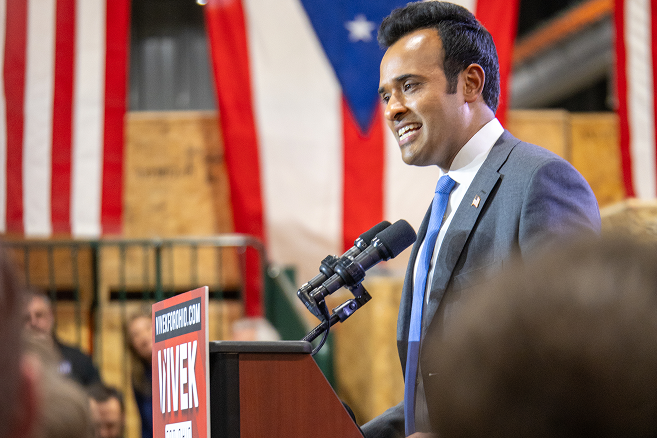
Former GOP presidential hopeful Vivek Ramaswamy won the Republican gubernatorial primary with 82%, according to CNN and the Associated Press. The Trump ally pulled ahead of primary rival Casey Putsch, who landed at 17.5%.
Ramaswamy is set to face Democrat Amy Acton, who won her party's nomination after running uncontested. Acton is the former Ohio health director who is one of the state’s most recognized, applauded and criticized public figures after her tenure leading during the COVID-19 pandemic. Tim Grady is running as an Independent.
Even before the primary set the nominations, the race has been an increasingly heated battle between Acton and former-DOGE leader Ramaswamy. The months leading up to November's election day will surely continue a bitter, and expensive, battle, expert say.
For lieutenant governor, David Pepper won the uncontested Democratic race, with Ohio Senate President Rob McColley winning as Ramaswamy's running mate.
Who get's JD Vance's seat?
Tuesday featured a special Senate election to fill a seat vacated when Vice President JD Vance was inaugurated. Sherrod Brown won the Democratic primary with 89.5%, according to CNN and the Associated Press. Republican John Husted, who was appointed to Vance's seat, ran uncontested for the GOP nomination.
A tough battle in the 9th district; Other district results
Ohioans voted in all 15 of the state's congressional districts.
The 9th district was a highlight among congressional races across the state. Voters picked Republican Derek Merrin, who earned 44.1% of the vote. He will face incumbent Democrat Rep. Marcy Kaptur for a seat in the U.S. House of Representatives in November. Following redistricting, the district became a key target for the GOP to try to flip a seat, according to the Columbus Dispatch, part of the USA TODAY Network. Kaptur has held the seat since 1983.
Here are the results for the major parties in the other 14 districts, according to CNN and Associated Press:
District 1
- Republican: Eric Conroy (71.9%)
- Democrat: Greg Landsman (Incumbent, 68%)
District 2
- Republican: David Taylor (75%)
- Democrat: Jen Mazzuckelli (53.3%)
District 3
- Republican: Cleophus Dulaney (Uncontested)
- Democrat: Joyce Beatty (Incumbent, 79.4%)
District 4
- Republican: Jim Jordan (Incumbent, uncontested)
- Democrat: Joshua Kolasinski (Uncontested)
District 5
- Republican: Bob Latta (Incumbent, uncontested)
- Democrat: Brian Shaver (28.7%)
District 6
- Republican: Michael Rulli (Incumbent, 76.2%)
- Democrat: Elizabeth Kirtley (31.5%)
District 7
- Republican: Max Miller (Incumbent, uncontested)
- Democrat: Brian Poindexter (37%)
District 8
- Republican: Warren Davidson (Incumbent, uncontested)
- Democrat: Vanessa Enoch (74.5%)
District 9 (See above)
District 10
- Republican: Mike Turner (Incumbent, uncontested)
- Democrat: Kristina Knickerbocker (32.7%)
District 11
- Republican: Mike Kirchner (65.6%)
- Democrat: Shontel Brown (Incumbent, 85.5%)
District 12
- Republican: Troy Balderson (Incumbent, uncontested)
- Democrat: Jerrad Christian (46.4%)
District 13
- Republican: Carey Coleman (47.3%)
- Democrat: Emilia Sykes (Incumbent, uncontested)
District 14
- Republican: David Joyce (Incumbent, 70.3%)
- Democrat: Maria Jukic (50.8%)
District 15
- Republican: Mike Carey (Incumbent, uncontested)
- Democrat: Don Leonard (52.9%)
Other races
Other races held Tuesday for state positions include attorney general, secretary of state, treasurer and state Supreme Court justices. For these results, follow Columbus Dispatch, part of the USA TODAY Network.
What Ohio results mean for the country
Tuesday's races have consequences for Ohio on the state and national stages: Whomever wins the governor's mansion will oversee public health, act as commander-in-chief and set electoral policy at a time when governors are increasingly in partisan battles with President Donald Trump.
And with a slim majority in the U.S. House, the congressional races are setting up candidates to battle for a chair on Capitol Hill. The Democrats aim to keep the president's agenda in check while Republicans want to ensure its success.
Contributing: Columbus Dispatch
This article originally appeared on USA TODAY: Ohio primary election results: Latest data on races for governor, Congress