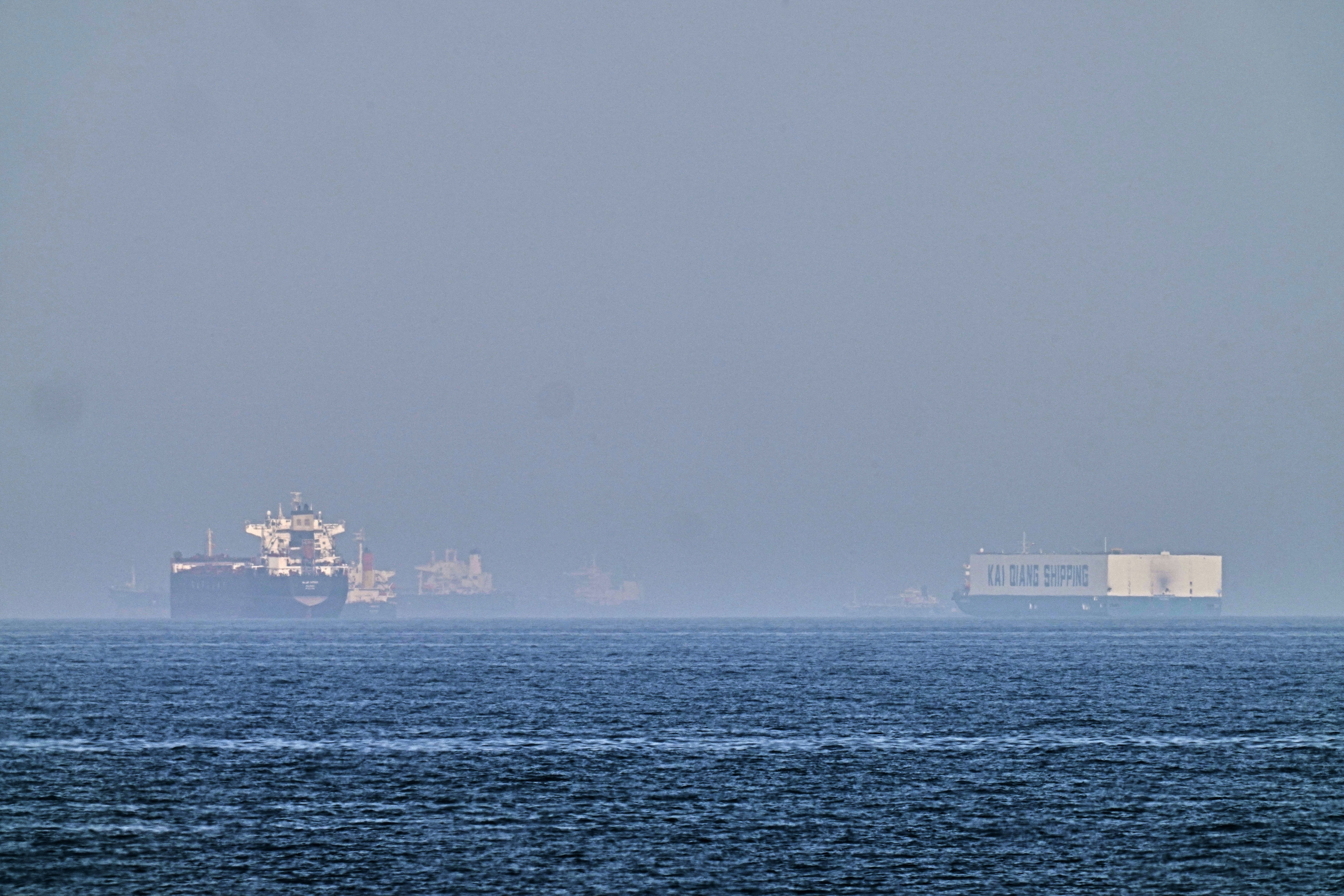
Iran has proposed a one-month deadline to permanently end the war with the US and open the Strait of Hormuz.
The latest deal submitted by Tehran to Donald Trump via mediators in Pakistan would leave the issue of its nuclear capabilities unresolved until after agreement has been met on other issues.
The proposal arrived as oil analysts warned that a “tipping point” in global crude oil reserves would be hit by the end of May, threatening to send prices soaring in the summer.
The 14-point plan would require both sides to lift their blockades of the Strait of Hormuz, completely end the war in Lebanon, and release Iran’s frozen assets. It would also require the US to pay compensation and lift sanctions against Tehran.
Iran has proposed a deadline of a month for the two sides to reach an agreement on a permanent end to the war. Only in a second stage would the two sides discuss the country’s nuclear programme.
In an initial reaction, Mr Trump appeared to reject the plan.
“I will soon be reviewing the plan that Iran has just sent to us, but can’t imagine that it would be acceptable in that they have not yet paid a big enough price for what they have done to Humanity, and the World, over the last 47 years,” the US president said in a post on his Truth Social platform.
Mr Trump has said he is waiting for the exact wording of the Iranian proposal. He has also kept the possibility of renewing strikes on Iran on the table.
Asked on Saturday whether he might restart attacks on Iran, the US president replied: “I don’t want to say that. I mean, I can’t tell that to a reporter. If they misbehave, if they do something bad, right now we’ll see. But it’s a possibility that could happen.”
On Sunday, Iran’s Revolutionary Guard Corps warned Mr Trump that he faced a choice between an “impossible” continuation of the conflict or a “bad deal”.
A statement carried by state TV said the US’s choices to end the war had “narrowed”, citing what it described as a “shift in tone” from China, Russia and Europe towards Washington.
It also said Iran had imposed a “deadline” for the US lifting its naval blockade of Iranian ports, without elaborating.
Oil analysts have warned that stocks of crude oil, diesel and jet fuel will hit critically low levels by the end of May and completely run out by the end of June, potentially throwing the world into a recession.
“You can pick a number” when it comes to how high the oil price will go if the conflict remains unresolved by the end of June, one analyst told the Financial Times.
Arms deals fast-tracked
The US state department has fast-tracked arms deals to the Middle East, bypassing Congressional approval, as the countries that bore the brunt of Iranian ballistic missile attacks during the five-week conflict seek to replenish air-defence systems.
Qatar is the biggest purchaser, spending $5bn on weaponry, while Kuwait has ordered weapons valued at $2.5bn, with total sales to the region accumulating to over €8bn.
Meanwhile, fighting continues in southern Lebanon, where Israel ordered the evacuation of 11 settlements, telling residents to leave their homes and move at least a kilometre from the area.
The Israeli military said it would be conducting operations against Hezbollah. It has continued hitting the Iran-backed militia, with 13 people reported killed in the latest strikes. Hezbollah has also kept up its attacks on northern Israel.
In a further disruption to energy supplies from the Middle East, an oil tanker has been hijacked off the coast of Yemen. The country’s coast guard said unidentified armed men captured the vessel, seized control and steered it toward the Gulf of Aden in the direction of Somali waters.
The coast guard added that it had identified the tanker’s location and was working to track it, take necessary measures to recover it, and ensure the safety of its crew.
Meanwhile, Mr Trump has caused further unease inside Nato by suggesting an announcement on pulling 5,000 US troops out of Germany was just the beginning.
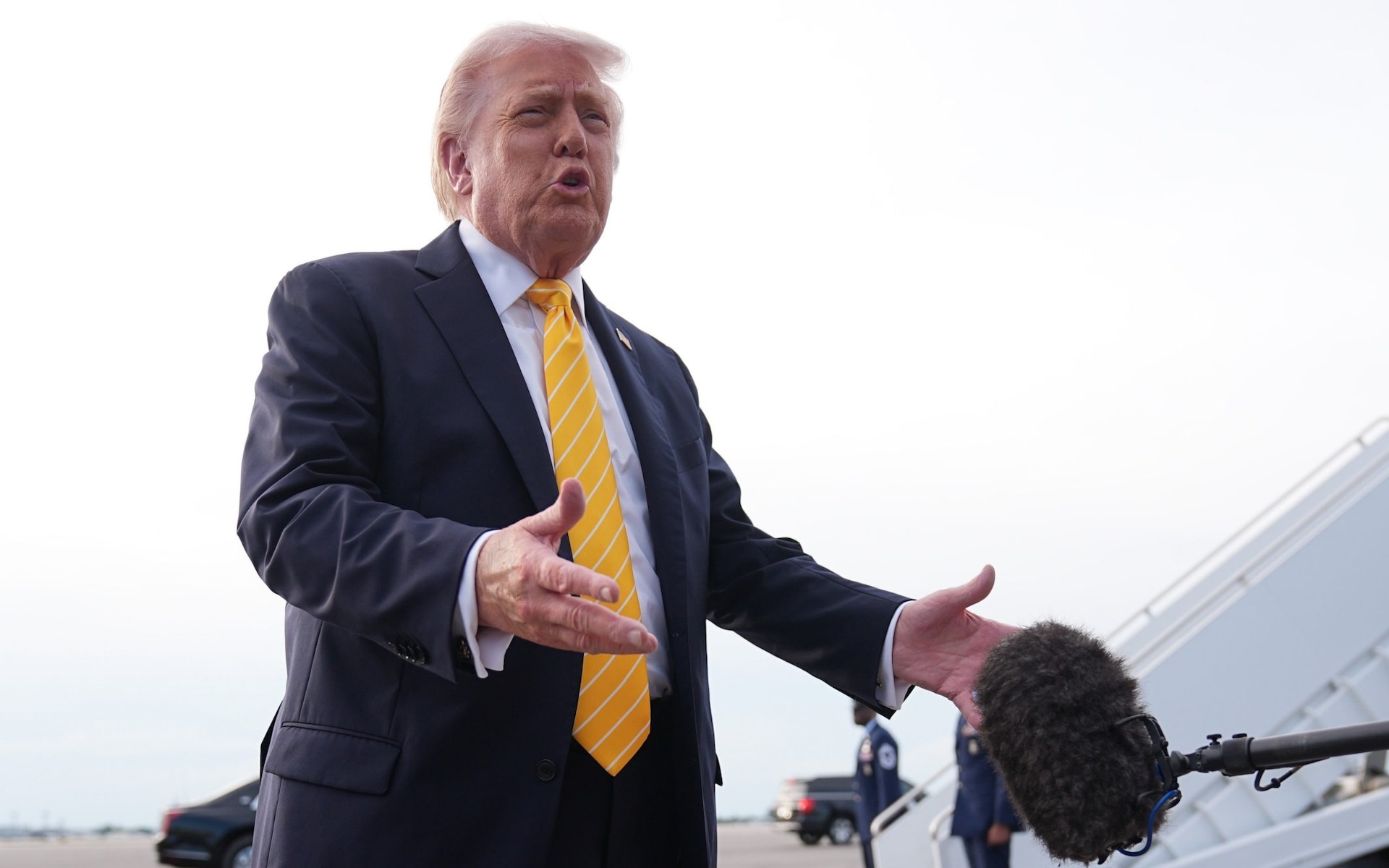
“We’re going to cut way down. And we’re cutting a lot further than 5,000,” the US president told reporters in Florida.
The US announced the reduction in troop numbers in the key Nato ally after Friedrich Merz, the German chancellor, said that Iran was “humiliating” the US via its blockade of oil supplies.
Mr Merz’s remarks led to an angry response by Mr Trump, who has fallen out with several European allies since the war began.