- Chemical prices have seen a historic rise during the Iran war.
- Petrochemicals are in more than 95% of finished goods, leaving consumers exposed to price shocks.
- Investors are underestimating the inflationary impact on the global economy, Goldman Sachs said.
A key input for clothes, beauty products, and other consumer goods has seen a historic price spike due to the Iran war.
Petrochemical prices have recorded an unprecedented rise during the war and it's increasing the costs of making consumer goods across industries. Goldman Sachs warned that the chemical price shock is a serious global inflationary pressure that investors are overlooking.
Unprecedented prices spikes hit the "foundation of global manufacturing"
Goldman calls the chemical market the "foundation of global manufacturing." The bank noted that historic price shock will impact global inflation in a way that investors aren't accounting for.
"The global chemical supply disruption resulting from the Middle East conflict is transmitting faster and at a greater magnitude than we had anticipated," the analysts wrote.
Chemical prices have jumped more than 60% in recent weeks, the fastest rate on record, according to Goldman.
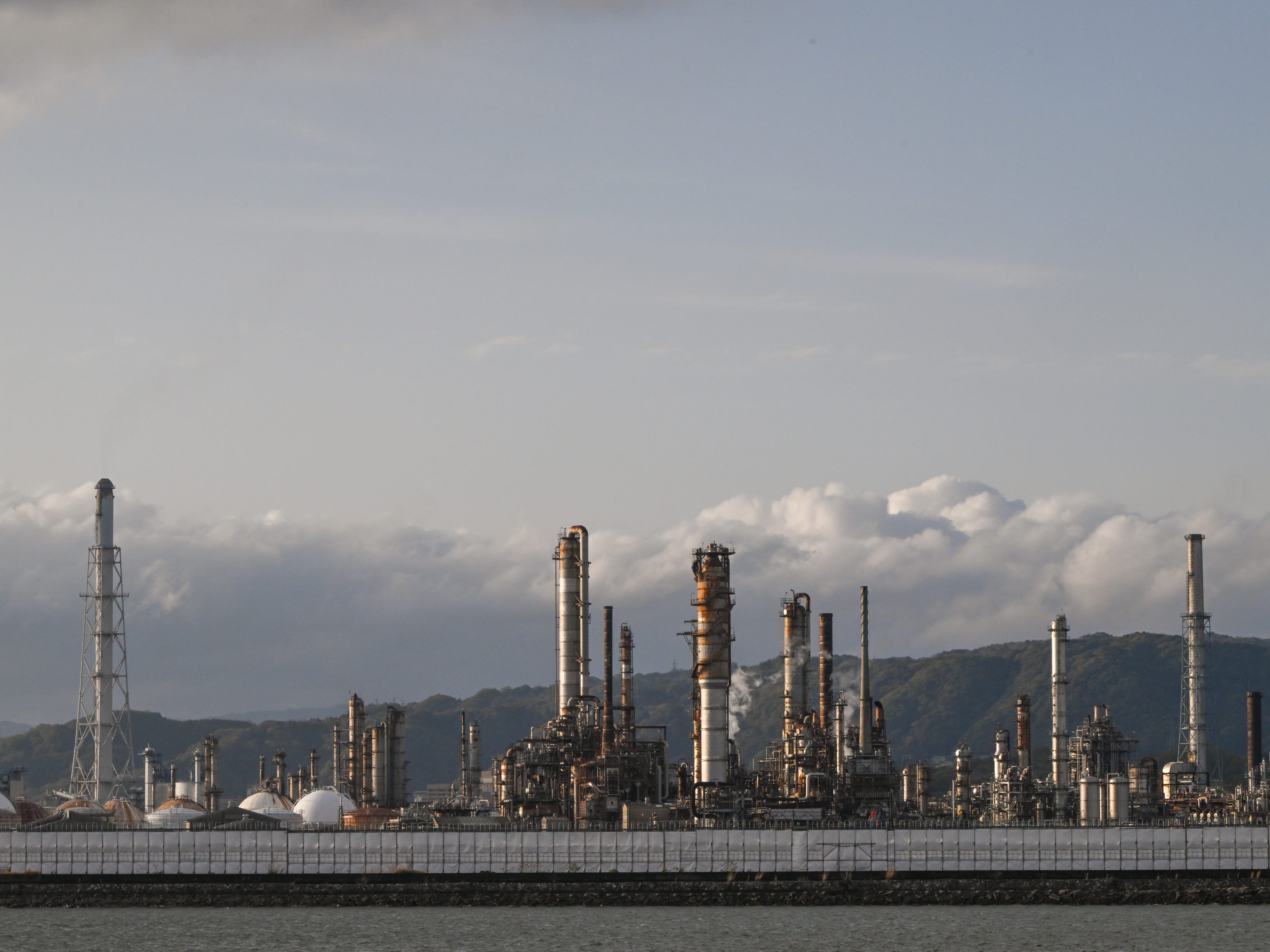
Petrochemicals are derived from oil and natural gas and make up plastics and synthetic materials. They make up a $5 trillion global market and are found in more than 95% of finished products.
These chemicals are used across an array of consumer products including clothing, furniture, healthcare, beauty, cars, pharmaceuticals, electronics, food, and beverages.
Clothing, furniture, and healthcare are among the most areas most exposed in regard to cost and retail prices, but Goldman estimates that US and European companies face an average 11% increase in cost of goods sold.
They noted that the estimate only accounts for chemical-related cost increases, not others like energy, transport, and others also driven higher by the war.
They added that there is already evidence of margin compression, production cuts, and demand destruction with 20% of global chemicals supply already offline.
"The pace at which these are materializing suggests that the downstream impacts remain underappreciated by the market," they wrote.
Vikas Dwivedi, a global oil strategist at Macquarie Group, told Business Insider the the demand destruction is "huge."
"It's way bigger than what anybody is analyzing way bigger than I think the market is giving credit to that has also held the [oil] futures prices in check."
Best case scenario is bleak
Even if the conflict ends soon, the supply chain disruptions could persist into 2027, Goldman predicted.
"We do not expect physical supply relief for EU/Asia chemicals until 3Q26, which raises the risk for another leg higher in chemical prices, further supply chain disruption, and deeper demand destruction."
The analysts noted that even when the Strait of Hormuz is reopened, chemicals will be prioritized behind oil, fuels, and fertilizers when clearing the shipping backlog.
Goldman expected the peak impact to hit the US and Europe in the second half of 2026, though they noted that some companies may get ahead of inflation with price increases.
Global shock is amplified by Asia-focused market
The impact of broader supply shocks caused by the war in Iran had been most prominent in Asia. The global chemical market is centered in Asia it only intensifies the market impact.
More than 60% of global chemical produced in Asia and the continent is responsible for 50% of global manufacturing.
"The extent of the disruption is significant," the analysts wrote, noting, "Asia, as the manufacturing hub of the world, could face a supply shock without recent parallel."
Goldman used the 2022 European energy crisis to gauge the impact, but says that today's chemical market is seeing "pricing hikes twice as fast, twice the magnitude, and more global."
If you enjoyed this story, be sure to follow Business Insider on MSN.