About the author: Christopher Smart is managing partner of the Arbroath Group, an investment strategy consultancy, and was a senior economic policy advisor in the Obama administration.
If we’re lucky, this week’s summit in Beijing won’t produce any shocking headlines on Iran, Taiwan, or any of the other prickly issues that divide the U.S. and China.
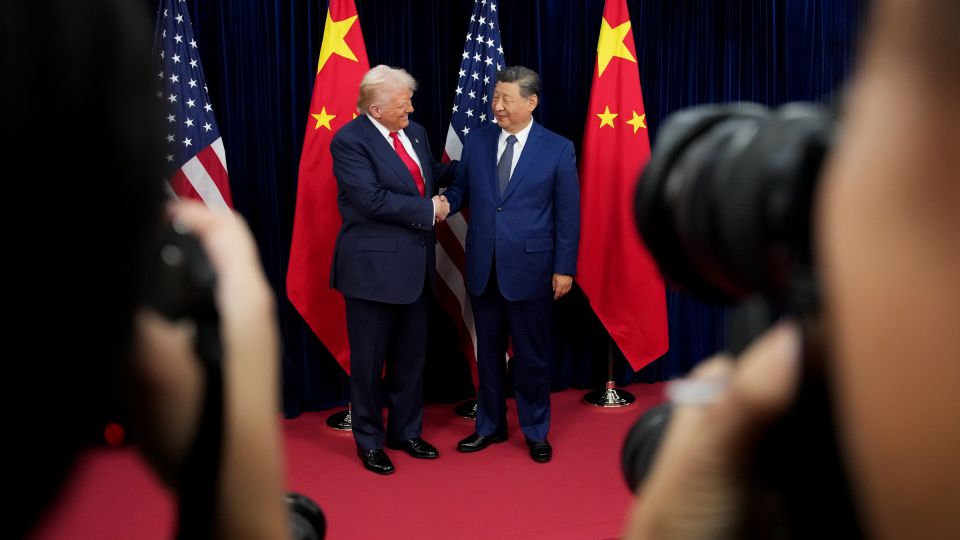
President Donald Trump and his Chinese counterpart, Xi Jinping, will say nice things about each other, their staffs will cobble together an agreement to increase U.S. exports, and their press teams will release a joint statement expressing hopes for another meeting soon. But if Trump really wants to stabilize the relationship with China, relieve the affordability squeeze back home, and re-energize his grumbling electoral base, he should surprise Xi with an offer to open the U.S. market to Chinese cars.
Yes, American administrations have been struggling for years to address China’s unfair trade practices. Trump should realize, however, that he has only two choices. He can watch as Chinese cars are sold everywhere except America, or he can allow them to be made in America, by Americans.
This would be off-brand for a president who built his political career on railing against China. But just as only a staunch anticommunist like President Richard Nixon could normalize relations with Beijing 50 years ago, only Trump could dare such a gambit to deliver tangible benefits to American pocketbooks and challenge U.S. car makers to innovate.
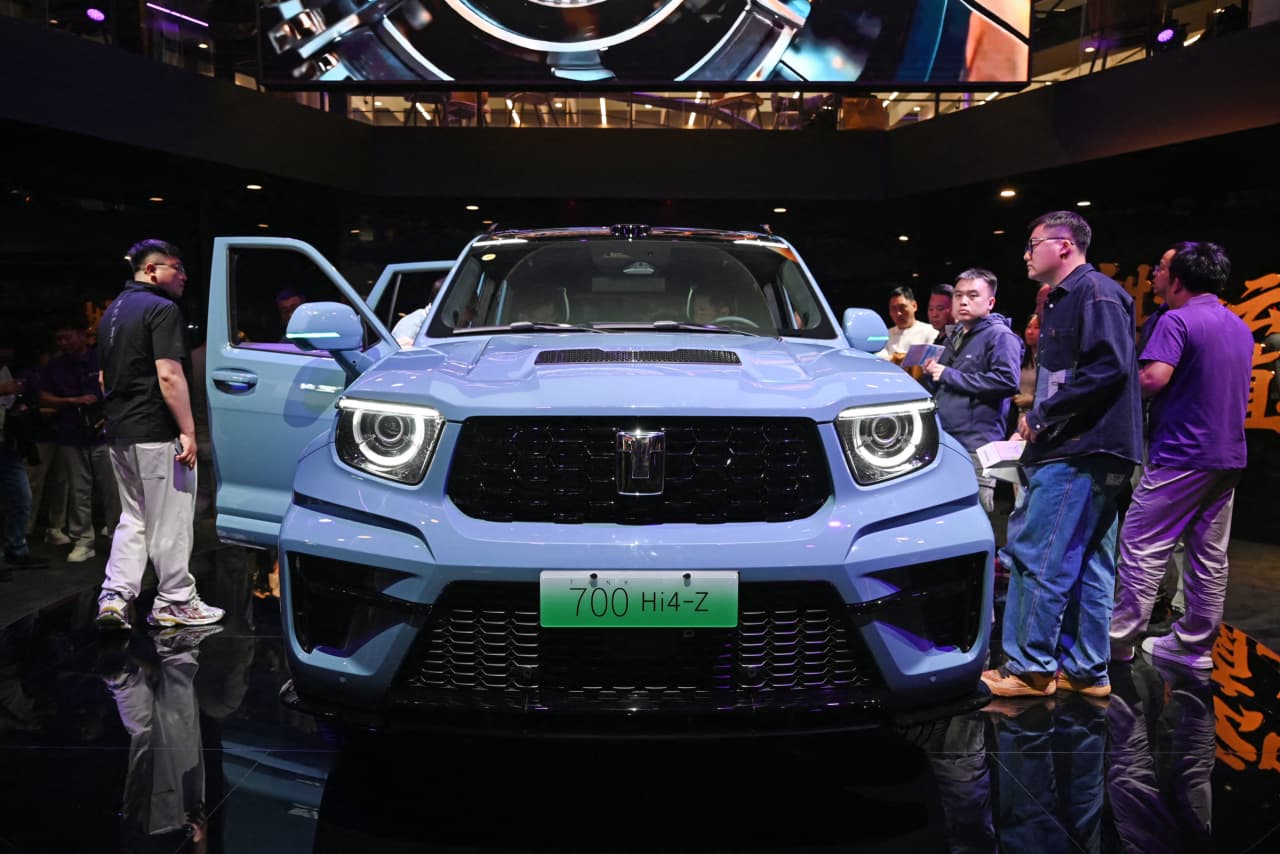
China’s car industry has grown into a global behemoth in the past decade. Last year, China exported about seven million cars, 2.6 million of which were electric vehicles. Its mass-market models start below $10,000, and its high-end sports models have launched internationally with splashy endorsements from James Bond. (OK, just Daniel Craig.)
If it weren’t for punitive U.S. import tariffs and a federal ban on any vehicle connected to the internet that uses Chinese software, the Chinese car industry would be a serious threat to the U.S.
There are many hawkish arguments to keep Chinese cars out, starting with subsidies that support a frenzy of cutthroat domestic competition and produce a few global competitors. But why shouldn’t American consumers benefit from all that Chinese government money? If opening the U.S. market to these imports would be disastrous for the Big Three—General Motors, Ford, and Stellantis—why not allow Chinese car makers to bring their manufacturing innovations to American factories? They might not match their prices back in China, but they could certainly deliver a high quality and more affordable product for Americans struggling to make ends meet.
Some economists correctly argue that China’s massive trade surplus is a problem. Weak domestic demand and huge government production incentives have created an industrial colossus that exports an estimated $2 trillion more manufactured goods than it imports. That excess capacity swamps competition abroad. But allowing China’s best firms to hire, train, and pay American workers according to U.S. standards could create the basis for fair competition.
American car makers will cry foul. But they have always lobbied for protection from cheap imports, and they have always responded with their own amazing innovations. Gradually opening a flow of cars from Japan, Korea, and Germany, while encouraging the construction of new Toyota, Kia, and Mercedes factories has done more for the American auto industry than any government investment program.
You will also hear that cars are now essentially mobile computers and, therefore, every one created by China will be a spy machine for the Communist Party. There is an easy fix for this: Just as Chinese cars sold or made in America would need to meet U.S. safety standards, so could they be required to install U.S.-approved software for any internet connectivity.
For Trump’s advisors, the strongest argument against this ambitious idea might be its politics. Trump has instilled his base with a deep-seated belief that China should never be trusted. Also, given Trump’s doubts about climate change, it might feel strange for him to bolster an industry that is increasingly churning out electric vehicles.
And yet, if Trump dislikes anything more than China, it’s having his presidency bogged down by rising inflation and watching Democrats retake the House in November. Giving Americans access to high-quality, low-cost cars would enshrine him as a champion for struggling American households. It would also allow him to change the subject away from his war in Iran.
And don’t you think the president would enjoy the shock value, too?
Guest commentaries like this one are written by authors outside the Barron’s newsroom. They reflect the perspective and opinions of the authors. Submit feedback and commentary pitches to ideas@barrons.com.