Key Takeaways
- Never use a pressure washer on windows, roofs, or areas with lead paint, as it can cause breakage, water damage, or health hazards.
- Older bricks, awnings, and vehicles are too delicate for high-pressure spraying and should be cleaned with gentler methods.
- Avoid pressure washing gutters, wiring, or light fixtures, since it risks injury, damage, and electrical hazards.
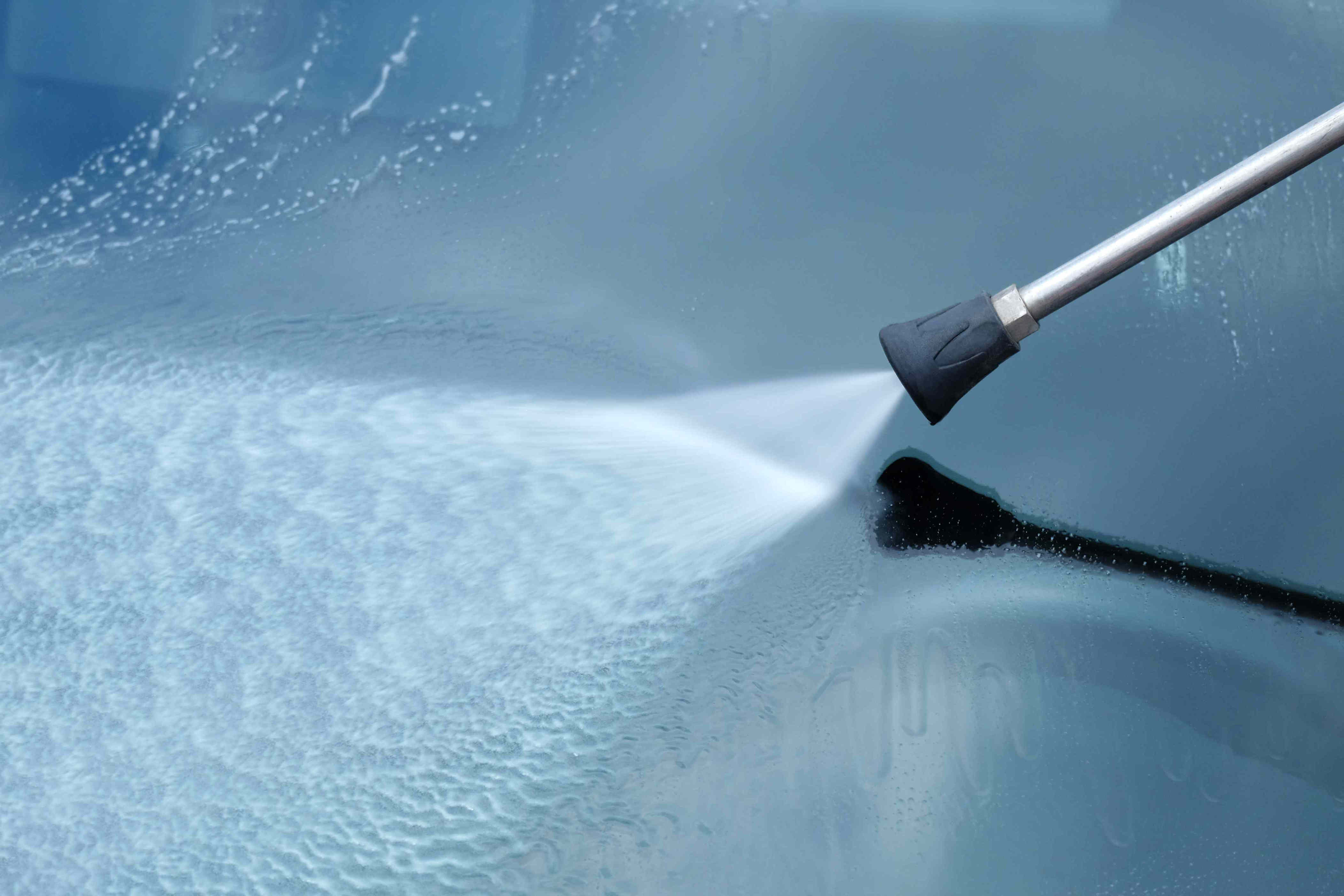
A pressure washer removes years of grime from a dirty house or oil-stained driveway, leaving them looking brand-spanking new. After you see this tool work its magic on siding and concrete, it's only natural to start looking around for other things to pressure wash. (We even like to use a pressure washer on our outdoor cushions.) But while a high-powered sprayer will strip mold, mildew, algae, and dirt from almost anything, unfortunately, it can also remove paint and damage surfaces.
Before you start waving that magic pressure-washer wand around, check out this list of things you shouldn't clean with a pressure washer.
Windows
Pressure washing windows can result in broken glass, torn window screens, and water leaking into your house. If you already have problems like rotting sills and missing caulk, the pressure washer will quickly make those problems worse. While some professionals will pressure wash windows that are in good condition, it's best not to attempt it yourself.
Roof Shingles
Pressure washing can strip the asphalt coating from shingles, while the water will seep right into any leaks or holes hiding underneath. You could also end up in a slip-and-slide situation while walking around on a wet roof. If your roof looks really dirty or you have a problem with moss, hire a pro who uses less damaging methods for cleaning roofs.
Lead Or Peeling Paint
If you know your siding or trim is covered in lead paint, don't use a pressure washer under any circumstances. This goes for lead paint buried under a top coat of paint, too. Disturbing lead paint can be hazardous to the health of your family.
Also avoid any areas with peeling paint unless you don't mind having it stripped off. This may be the case when you're planning to repaint a surface.
Old Brick
You may be able to pressure wash new brick on the lowest setting if the mortar is in good condition. Older bricks tend to be less durable, and aging mortar can be especially susceptible to damage. Don't take the risk; a nylon brush and gentle cleaning solution can be used to clean off stains instead.
Vehicles
You may be tempted to pull out the pressure washer to clean your car, truck, or van, but you could end up damaging your paint job or denting soft panels. Take your car to the car wash or use a regular garden hose and soapy sponge for cleaning.
Awnings
Awning fabrics can tear when blasted with too much force, while the aluminum frames can warp or bend. It's safer to use other cleaning methods for an awning, like a soft-bristled brush and outdoor fabric detergent.
Gutters
If you think a pressure washer is a great shortcut for cleaning your gutters, think again. Avoid using a pressure washer while standing on a ladder for your own safety. Pressure washers can also dent gutters if you're not careful.
Anything Electric
Avoid wiring and electrical panels when using a pressure washer. That goes for light fixtures, too. Light fixtures easily break and you could get a nasty shock from mixing water and electricity.
Read the original article on Southern Living