Daytime is all about heart health for many people, as they make time for exercise, choose nutritious meals and try to manage stress.
But evenings often come with more lax rules, even though they’re also a crucial part of keeping your cardiovascular system in good shape, cardiologists say.
Small changes to your P.M. routine can make a big difference for your heart.
Cardiologist Tip of the Day: Avoid These 4 Late-Night Habits
Your evening habits can be a “driver of cardiovascular health,” according to Dr. Sanjay Bhojraj, an interventional cardiologist in California.
“Nighttime choices determine whether the body shifts into repair or stays in stress mode,” Bhojraj told CNBC.com.
He consistently avoids eating, intense exercise, alcohol and stressful TV shows or conversations after 7 p.m.
Why It Matters
Nighttime habits impact sleep duration, which is part of the American Heart Association’s “Life’s Essential 8” cardiovascular health checklist. Adults need seven to nine hours of sleep per night.
“We know that when you’re asleep, your heart rate slows down, your blood pressure comes down, and that’s a large chunk of time for your body to be in a relaxation mode,” Dr. Jennifer Haythe, a cardiologist at Columbia Women's Heart Center in New York, previously told TODAY.
This has a positive impact on high blood pressure, diabetes and obesity, she noted.
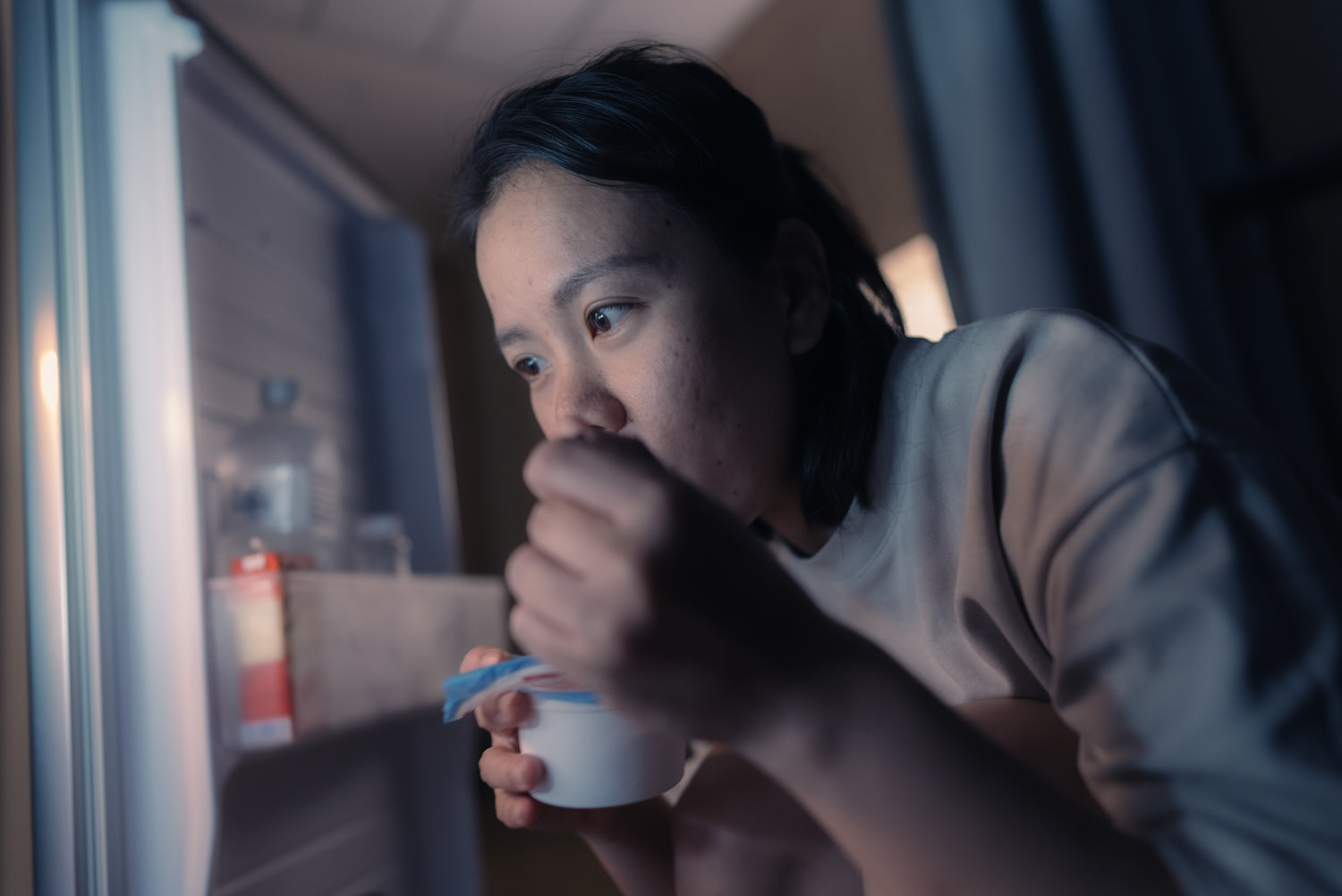
But late-night eating means nighttime digestion, which “competes with the body’s overnight repair processes,” Bhojraj said.
Intense exercise before bedtime keeps cortisol high, preventing you from falling asleep and raising overnight heart rate: “Your heart needs a runway to slow down, not one last sprint before midnight,” he cautioned.
Alcohol also disrupts sleep, while stressful conversations and TV shows “flood your system with stress hormones at the exact time your body should be powering down,” Bhojraj said.
How to Get Started
Use the evening to wind down and prepare your body for restful sleep — it’s key for heart health.
Avoid late-night snacks, alcoholic drinks or drama in your own life or on the screen. Put the phone down, and stop scrolling or checking email.
Leave the hard workouts for daytime sessions, but a walk or gentle yoga are fine before bedtime, advises NBC’s Dr. Natalie Azar.
"For me, after 7 p.m., my rule is simple: Reduce circadian disruption and sympathetic stress, and let your heart recover," Bhojraj said.
TODAY’s Expert Tip of the Day series is all about simple strategies to make life a little easier. Every Monday through Friday, different qualified experts share their best advice on diet, fitness, heart health, mental wellness and more.
This article was originally published on TODAY.com