Switching to Permanent Remote Work
The appeal was obvious. No commute, more flexibility, more autonomy. For many Americans, going fully remote seemed like an upgrade without a real downside.
The reality turned out to be more complicated. Work hours became less defined, with nearly one in five employees reporting that their day has a set start time but no clear end time, and the workday boundaries that once organized daily life simply dissolved. Since 2020, remote work has tripled the time Americans spend in meetings, leaving less time for the casual colleague interactions known to increase workplace happiness.
The rhythm that once structured the day, the commute, lunch breaks, the physical separation between work and home, disappeared. In late 2024, employees entered what observers called the "Great Detachment" era, with dissatisfaction, a difficult job market, and inflation all contributing to workers feeling stuck and disconnected.
Going to Bed Later Due to Nighttime Scrolling
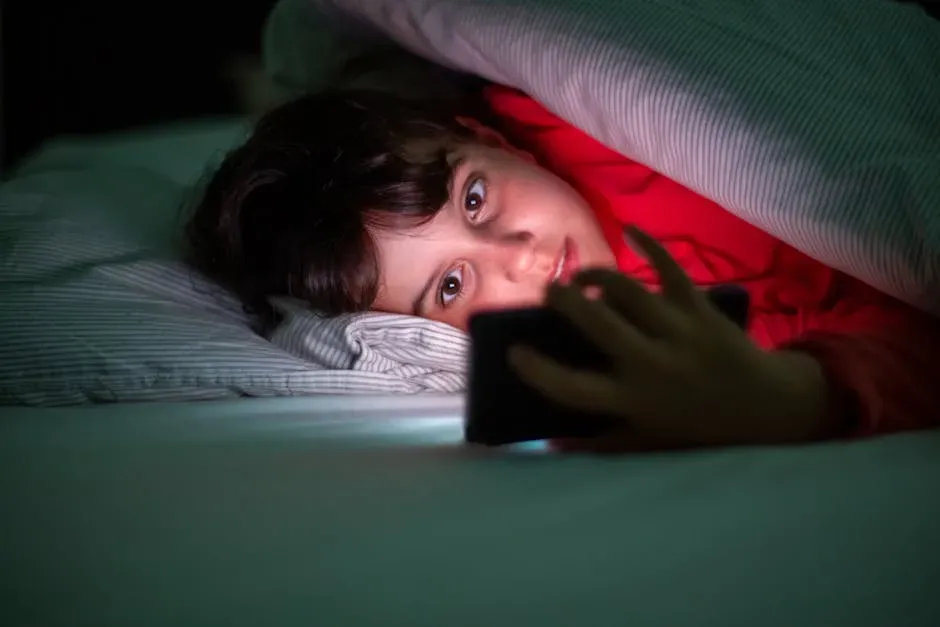
Shifting bedtime by an hour or two sounds minor. Over weeks and months, it rewrites an entire daily schedule. Millions of Americans made the move gradually, phones in hand, scrolling through feeds long after they intended to stop.
A survey from the American Academy of Sleep Medicine found that the vast majority of Gen Z have lost sleep because they stayed up past their bedtime to view or participate in social media. The effects don't stay in the bedroom. In a 2024 study of 830 young adults, researchers found that frequent social media visits and emotional investment were stronger predictors of poor sleep than total screen time, and that presleep cognitive arousal and social comparison played a key role in linking social media engagement to sleep disruption.
Daily screen use was associated with later bedtimes and roughly 50 minutes less sleep each week. Those lost minutes compound fast.

Abandoning a Morning Routine After a Life Transition
A new job, a move, a relationship change, the birth of a child - major transitions often wipe out the small morning habits that quietly anchored the day. People underestimate how much a consistent morning structure does for their sense of control and focus. The 2025 Cigna loneliness report found that two-thirds of caregivers and parents of young children classify as lonely, partly because they lack time for community engagement.
The loss of morning structure plays directly into that dynamic. When the framework for starting a day disappears, everything downstream shifts. Meal timing gets irregular.
Exercise drops off. The sense of a manageable day erodes. In 2024, nearly half of adults reported feeling more anxious than they did the previous year, and while the causes are multiple, the erosion of consistent daily structure is among the patterns researchers repeatedly flag as a contributing factor.
Impulse Overspending That Upended Financial Stability
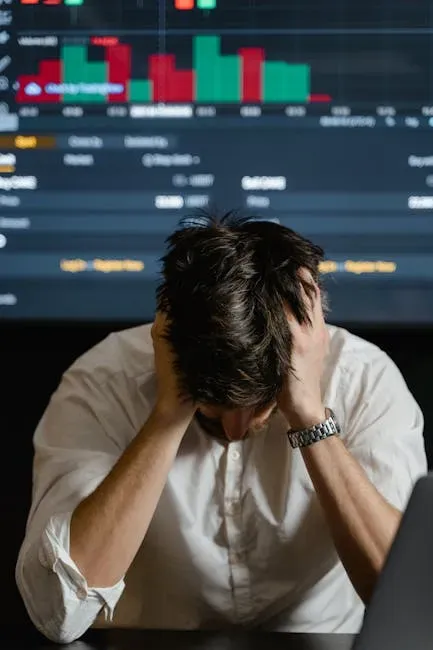
It doesn't feel like a lifestyle change at first. It feels like a series of small, reasonable purchases. Then the credit card statement arrives and the damage becomes clear.
Nearly three-quarters of Americans say they have an overspending problem, with roughly one in six saying their spending has ruined their lives. About 78 percent of Americans make purchases they immediately regret, and roughly two-fifths admit they often know their purchases are reckless but make them anyway. Financial stress doesn't stay financial.
It leaks into sleep, concentration, mood, and relationships. About 78 percent of Americans reported losing sleep at night due to financial worries, and roughly 65 percent can't sleep due to work-related stress. Around 73 percent of Americans say they are saving less for emergencies due to factors like rising prices and elevated interest rates.
Once spending habits unsettle a household's financial footing, the ripple effect on daily life can be severe.

Becoming a Homebody and Cutting Out-of-Home Activities
Staying in felt safe and comfortable during the pandemic years, and for many Americans it became a permanent default. People are spending nearly an hour less each day doing activities outside the home, and researchers describe not going out as the "new normal" post-COVID, with a drop of about 51 minutes in daily time spent on out-of-home activities since 2019. That missing hour represents an enormous slice of physical movement, social contact, and spontaneity.
Time spent on eight of twelve out-of-home activities fell between 2019 and 2021, while eleven of sixteen in-home activities gained time. The average time for out-of-home activities fell from about 5.5 hours a day in 2019 to 4.5 hours in 2021, and time spent away from home has only modestly recovered since, rebounding by just 11 minutes from 2021 to 2023. For many, a habit that began as caution quietly hardened into isolation.

Over-Optimizing the Day Until Human Connection Disappeared
Productivity culture made efficiency feel like a virtue. Americans cut "wasted time," automated errands, and shortened social interactions in the name of getting more done. The problem was that much of what got cut was actually connection.
Many of those inefficiencies were actually opportunities for human connection - chatting with a barista, small talk with neighbors, conversations with coworkers during lunch, or catching up with acquaintances at local businesses. According to a January 2024 poll from the American Psychiatric Association, roughly 30 percent of adults experience loneliness at least once a week, while around 10 percent feel lonely every single day. A Gallup survey from September 2024 found that one in five American adults now experience daily loneliness, representing approximately 52 million people.
Streamlining a day can inadvertently strip it of the moments that make it feel worth living.
Adopting Technology Habits That Changed How Americans Interact
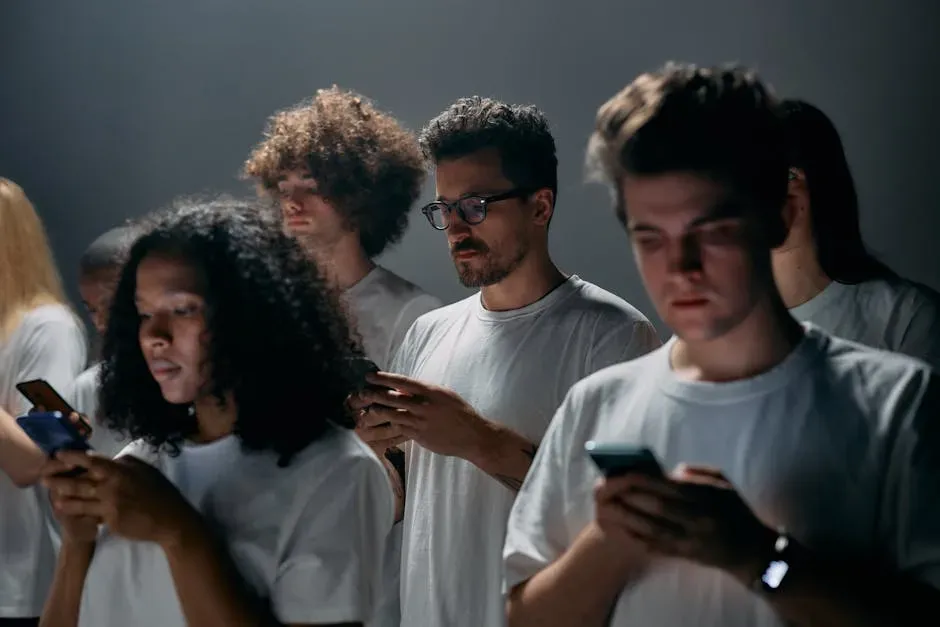
Some 48 percent of Americans say the COVID-19 pandemic changed the way they now use technology, including 18 percent who say the pandemic changed their current technology use in a major way. For many, that shift turned occasional convenience into constant dependency. Texts replaced phone calls.
Video calls replaced dinners. Notifications became a second pulse, running alongside daily life and interrupting it constantly. A Harvard study found that 21 percent of adults in the U.S. feel lonely, with many feeling disconnected from friends, family, and the world, and technology topped the list of contributors, with 73 percent identifying it as a factor.
Even when people do go to offices, a 2024 analysis found that only 8 percent of meetings are face-to-face, leaving workers with mostly virtual relationships even when physically present. The technology that was supposed to keep people connected has, for a notable share of Americans, quietly done the opposite. What's worth sitting with here is that almost none of these changes were made carelessly.
Most were well-intentioned, practical, or even celebrated at the time. That's what makes them worth examining honestly. The question isn't whether change is bad - it's whether the trade-offs were fully visible before the new routine took hold.