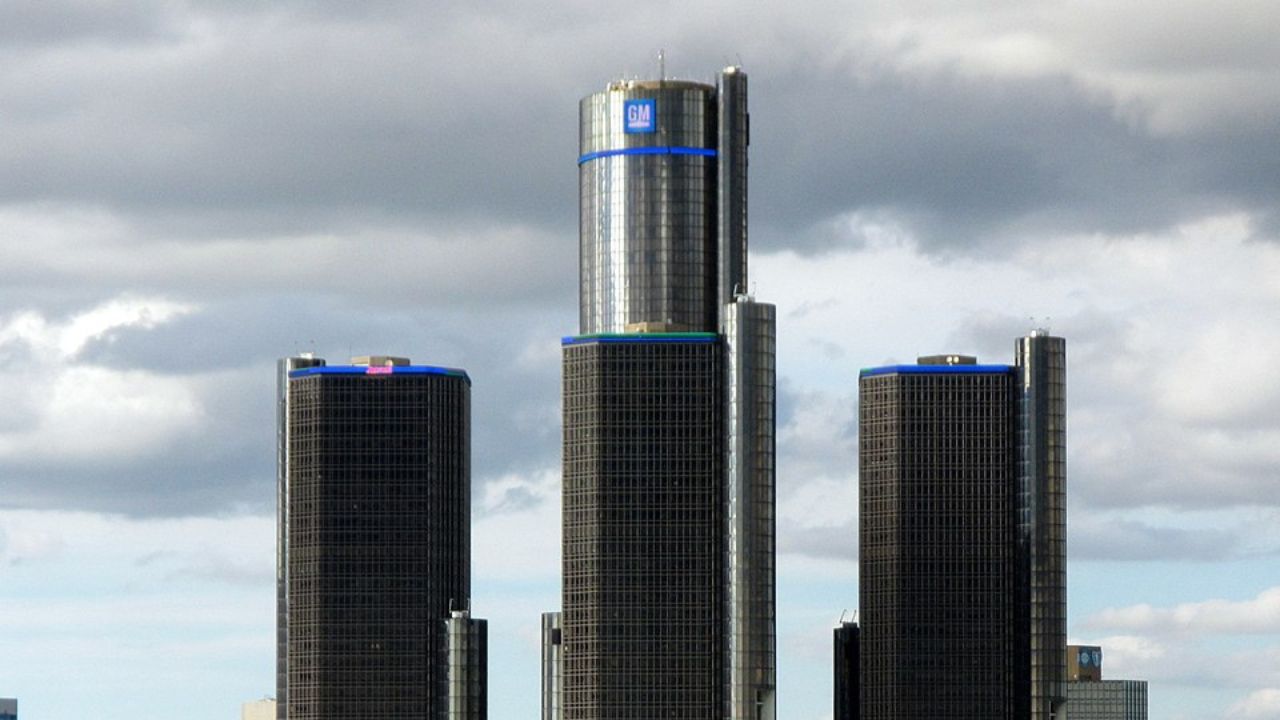
General Motors is again under intense scrutiny, this time in a state courtroom, over allegations that it quietly turned its OnStar safety service into a pipeline of driver data for the insurance industry. The new lawsuit contends that GM treated detailed driving behavior as a commercial product, selling it without the clear consent of the people behind the wheel.
The case lands just weeks after federal regulators imposed a multiyear penalty on the company for similar conduct, signaling that the fight over connected car surveillance is shifting from regulatory hearings to direct legal confrontation. For drivers who thought they were paying for emergency help and navigation, the litigation raises a blunt question about whether their own vehicles have been working against them.
The Iowa lawsuit and the OnStar data pipeline
The legal challenge now facing GM began with accusations that the company used its OnStar Smart Driver program to capture highly granular information about how Iowans operated their vehicles, then shared that information with outside firms that cater to insurers. According to reports on the filing, the suit alleges that General Motors LLC and its OnStar unit collected and sold detailed personal data, including hard braking, rapid acceleration, nighttime driving, and other risk signals, without obtaining informed consent from affected motorists. Iowa Attorney General Brenna Bird, speaking from DES MOINES, Iowa, has been quoted as saying that her office filed the case to stop GM from continuing to gather and sell such information from drivers who believed they were using a safety and convenience feature rather than signing up for a hidden telematics scoring program, a claim reflected in coverage of how the lawsuit accuses GM of exploiting OnStar data.
The complaint zeroes in on data agreements that Iowa officials say stretch back more than a decade and involve major analytics vendors. According to an account of the filing, the state alleges that GM partnered with firms such as Verisk Analytics and LexisNexis Risk Solutions, and that these relationships allowed OnStar Smart Driver scores and raw trip data to flow into the algorithms that insurers use to set premiums and coverage decisions. Reporting on the case states that the lawsuit targets data agreements dating back to 2015 with Verisk Analytics and Risk Solutions, and that Iowa officials argue this conduct violated state consumer protection law and left drivers facing higher insurance costs, as described in coverage of how the lawsuit targets data tied to OnStar.
Federal penalties and a five-year data selling ban
The Iowa case does not arise in a vacuum, since federal regulators had already concluded that GM and OnStar mishandled driver information. Earlier this year, the FTC finalized an order that bars General Motors and its OnStar unit from selling certain consumer data for five years, after alleging that the companies secretly harvested precise geolocation information and detailed driving behavior from vehicle owners. The Federal Trade Commission stated that GM and OnStar collected and sold geolocation data without consumers’ informed consent, and that the order requires the company to implement more transparent disclosures and obtain affirmative permission before sharing sensitive information, as reflected in the agency’s description of how The FTC finalized its action.
That federal order followed a draft complaint that had already detailed how OnStar Smart Driver allegedly funneled data to third parties without making the scope of collection clear to consumers. The Federal Trade Commission characterized the conduct as a failure to disclose that GM was gathering precise location trails and driving metrics, then passing them on to outside entities, including data brokers and insurance-related firms, with some limited exceptions. In the finalized order, the Federal Trade Commission required GM to stop selling certain information to third parties without consumers’ consent and to give drivers a straightforward way to opt out of such sharing, according to the agency’s explanation that the Federal Trade Commission imposed a five-year restriction in the case.
Data brokers, insurers, and the hidden scoring economy
The controversy around OnStar sits on top of a broader ecosystem in which telematics data is quietly traded and repurposed. Companies such as LexisNexis Risk Solutions have built extensive businesses around aggregating information from automakers, connected devices, and public records, then packaging it for clients in insurance, finance, and law enforcement. Corporate materials describe how the broader LexisNexis group, through entities such as RELX, offers analytics tools that ingest vast quantities of information, and that its risk division maintains privacy policies and terms governing how it uses consumer data, as reflected in the corporate overview for LexisNexis and the consumer portal where individuals can review their own files.
The insurance industry has increasingly relied on telematics feeds from vehicles to build driver scores that influence prices and eligibility, often in ways that motorists do not see. Reporting on this trend has described how carmakers and data brokers supply detailed trip records to insurers, and how some drivers first learned of the practice only after their coverage changed. One investigation recounted how drivers discovered that their policies were affected by hidden driving reports, and that some insurers used data from programs like OnStar Smart Driver to adjust premiums, as described in coverage of how carmakers shared tracking information with insurance companies. In response, LexisNexis Risk Solutions has pointed consumers to a dedicated portal where they can request and dispute their own telematics-based insurance reports, a process outlined on the consumer site that explains how drivers can see what data has been compiled about them.
From Mozilla’s warning to a wave of litigation
Long before the Iowa lawsuit, privacy advocates had been sounding alarms about how modern vehicles function as rolling data centers. Research from the Mozilla Foundation, in a project titled “After Researching Cars and Privacy, Here,” examined connected car systems and concluded that many automakers were collecting far more information than drivers realized, including location trails and in-car behavior. That work, cited in materials from class action firms, suggested that GM shared driving behavior with data brokers without meaningful consent, and that some consumers saw their insurance rates wrongly increased after such sharing, as summarized in a legal investigation that linked GM practices to the Mozilla Foundation research.
More from Fast Lane Only
The post GM slapped with lawsuit for allegedly selling drivers’ OnStar data appeared first on FAST LANE ONLY.