Illinois Gov. JB Pritzker is taking a page from other blue states to combat a housing shortage, proposing that Illinois take some control away from locals.
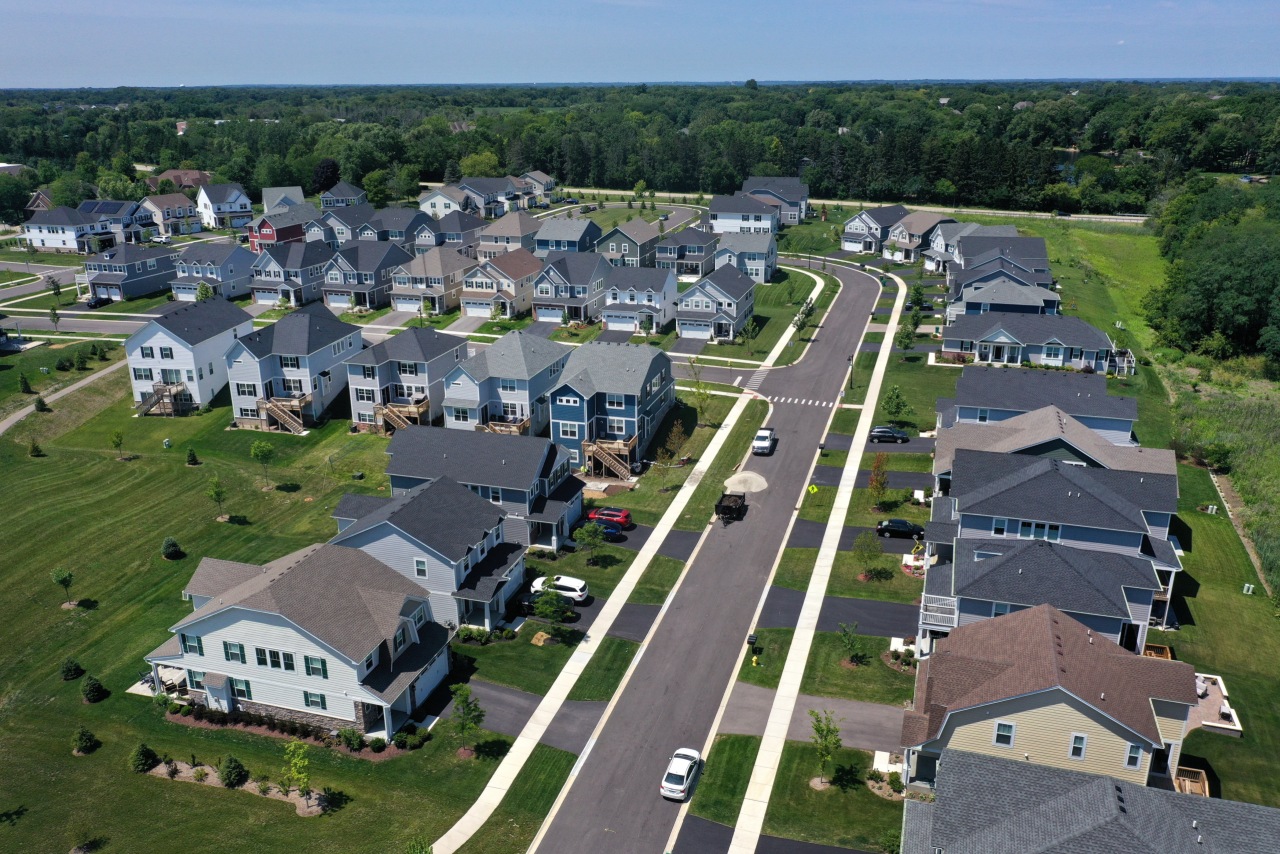
The governor and his allies in the statehouse have introduced legislation that would remove some zoning control from municipalities to clear a path for faster development of multiunit housing. They are facing opposition from a group of cities and towns that have introduced their own bill that they say would increase housing but allow them to keep control over how and where it is built.
Pritzker’s legislation, which he is aiming to pass by the end of the month, is an indication that the “Yes in My Backyard” pro-development movement is spreading inland from the coasts along with housing-price surges. In recent years, California, Massachusetts and Oregon have taken more control of local zoning rules that they said were hindering construction of badly needed housing.
Those state efforts have had mixed results. They have spurred some types of construction, including a boom of tiny homes called accessory dwelling units in California, but they have still left those states short of needed supply. That is partly owing to higher interest rates and rising building costs. A debate over a Massachusetts law recently went viral when a resident of Marblehead, Mass., accused the town of skirting the law’s housing mandate.
Housing advocates in Illinois said Pritzker’s plan is one of the most aggressive yet proposed because it combines several changes in one legislative package, from relaxing building codes to preventing cities from blocking types of housing construction.
While home prices in Illinois are still below national averages, they have been rising at a faster pace over the past year. The average Illinois home is worth $290,210, up 4.9% over the past year, compared with $368,198 in the U.S. as a whole, up 0.6% over the past year, according to Zillow data.
A report in 2025 from the Illinois Economic Policy Institute and the University of Illinois at Urbana-Champaign estimated that the state needs to build 227,000 units over the next five years to keep up with demand.
Pritzker said in a statement after unveiling the legislation earlier this year: “For too long, a patchwork of local restrictions have made it too difficult and expensive to build and buy housing.” He added: “Homeownership—a cornerstone of the American dream—is too far out of reach, and rent is too damn high.”
Pritzker’s plan would stop local authorities from blocking construction of multifamily housing such as duplexes, triplexes and four-flats on plots of land over 2,500 square feet that are already zoned for residential use. Local standards for building height, setbacks and lot coverage would still apply, the governor’s office said. Pritzker’s plan would also stop local authorities from blocking construction of accessory dwelling units on plots of land zoned for single-family homes.
The package would allow developers to build housing with fewer parking spaces and would shorten timelines for construction-permit reviews. Municipalities would be required “to act on applications rather than allowing projects to remain indefinitely under review,” the governor’s office said in a statement. The legislation would relax building codes to allow construction of more apartment buildings with single stairways, instead of the two stairways often required.
Some prominent Illinois cities have pushed back. The mayor of Naperville, Ill., a Chicago suburb, wrote a letter to the editor of a local newspaper to say the legislation could allow developers to buy and rip down single-family homes and replace them with eight housing units.
“Naperville’s character wasn’t built by accident. It was built over decades, through careful planning, through public hearings in our council chambers, and through residents who showed up and stayed involved,” Mayor Scott Wehrli wrote.
An association of Illinois towns and cities has introduced a rival package of bills that they said would retain local zoning control and reduce housing costs by capping total real-estate agent fees at 3% of the final sale price, exempting building materials from the state sales tax and other steps.
Olivia Ortega, director of housing solutions for the state, said the rival plan from cities and towns mostly maintains the status quo.
“We have some incredible cities around Illinois that have gone above and beyond in allowing for attainable housing to be built,” she said. “Unfortunately, that has not solved the problem. The voluntary actions that we’ve seen in those places have not fixed the entire housing shortage.”
The Illinois House and Senate have held hearings on Pritzker’s proposals, but no floor debate has occurred.
Some Illinois towns and suburbs have backed Pritzker’s plan. In a recent Chicago Tribune opinion piece, the mayors of suburban Oak Park and Des Plaines and of small-town Sesser and Lexington said “outdated zoning rules and overly complex approval processes” were slowing construction and driving up costs.
“While other states are building at several times our pace, our state is falling further behind, and our communities are the ones paying the price,” the mayors wrote.
Write to Jeanne Whalen at Jeanne.Whalen@wsj.com