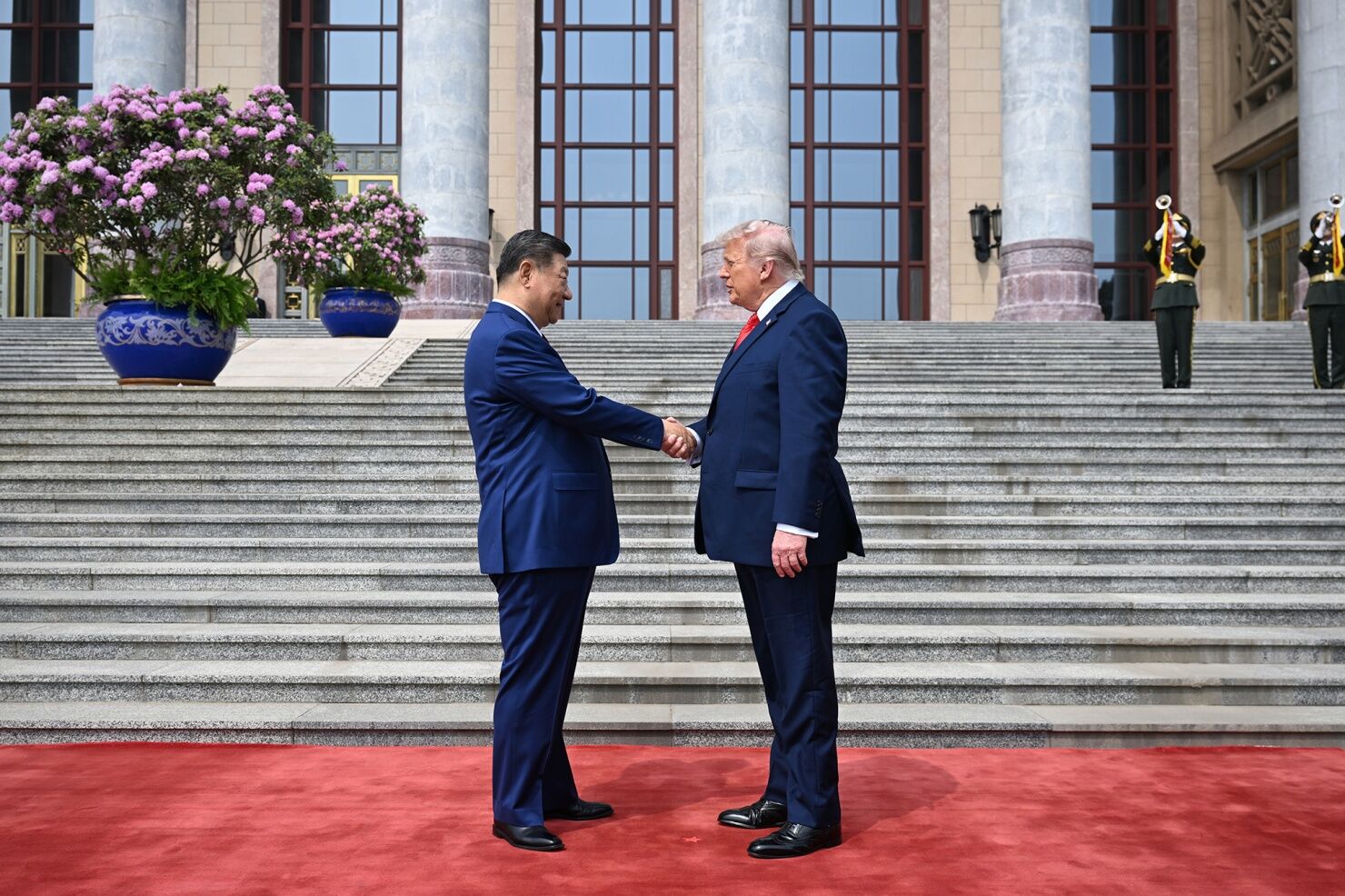
(Bloomberg) -- Boeing Co. appears to have secured its long-awaited order from China during US President Donald Trump’s visit to the country, but whatever accord was reached remained nebulous on numbers, aircraft type and a sense of timing.
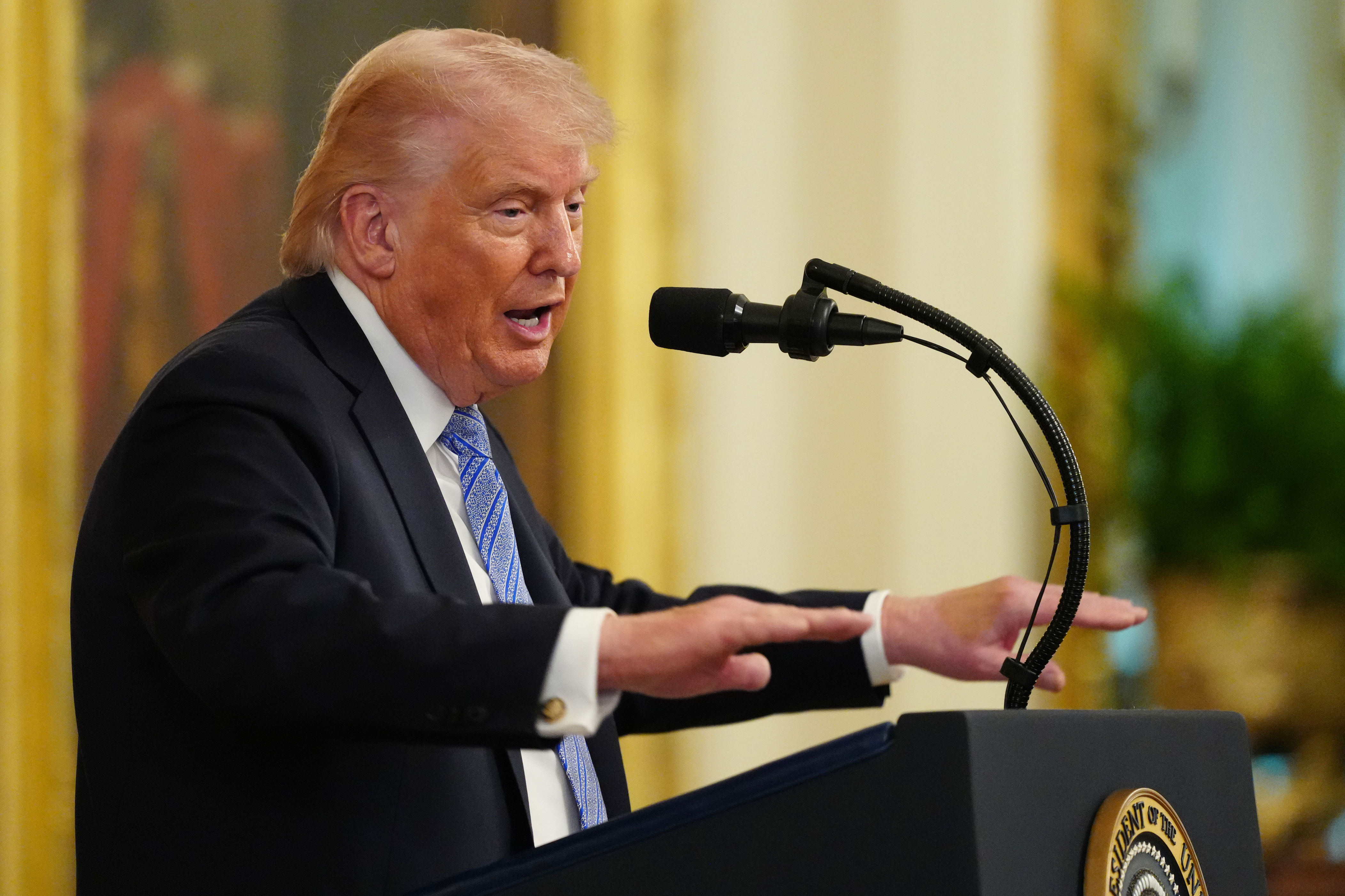
Rather than formally announcing an agreement — as is customary between the aircraft manufacturer and a customer — Trump said during a television interview appearance that China would buy 200 “big” aircraft.
He didn’t provide any specifics, leaving observers wondering how any such deal stacked up against the expectation that China would buy as many as 500 737 Max jets.
Adding to the confusion was Trump’s pronouncement on the way back home, when he said aboard Air Force One that Beijing might dramatically expand its initial commitment to 750 planes, though again there were no details. The condition of that deal would be that they’d need to do a “good job with the 200, which I’m sure they will,” he said.
Trump’s comments highlight two of his main attributes as US leader: that of chief commercial salesman for US products — and in particular Boeing aircraft — and his penchant for public comments that leave the other side guessing.
Neither Boeing nor Chinese officials provided any additional context around Trump’s announcement on the aircraft deal, leaving investors who were anticipating a mega announcement grasping for details.
Boeing shares fell for a second day on Friday, and were down 2.8% at 9:56 a.m. in New York.
Boeing has become a favorite tool for Trump to leverage US corporate power in return for diplomatic wins. He’s used aircraft purchases as a way to reach trade deals with other countries.
During a visit to Qatar last year, Boeing secured what ranks as the biggest deal by value for commercial aircraft.
But even then, there was a brief moment of confusion when Trump provided a value for the accord that was far above the realistic deal size.
Boeing has benefited from Trump’s sponsorship of aircraft orders, going as far as lauding him as the company’s chief salesman. Archrival Airbus SE has taken note of that relationship, saying it puts the European company at a disadvantage in major international sales campaigns because it doesn’t enjoy the same political backing.
At the same time, Boeing needs all the help it can get in China, where it has lost significant ground in the second-largest aviation market.
China has only placed orders for 39 Boeing planes this decade, so any major commitment that stemmed from Trump’s visit, however nebulous, would be a positive move in the right direction. China has a major need for modern aircraft, with global travel picking up and many airlines still flying outdated equipment.
The rise in fuel prices has also hastened the need for efficient aircraft such as the 737 Max, which burns far less fuel than previous iterations of Boeing’s bestselling plane. China’s homegrown civil aviation industry, including its Comac 919 model, remains in its infancy, making the country reliant on aircraft imports from the US and Europe.
China hasn’t unveiled a major Boeing order since Trump last visited the country in 2017. Beijing typically orders jets from Boeing and Airbus in bulk and then distributes them among the state-owned carriers.
In January 2020, China committed to purchasing $77 billion in US-made goods, including aircraft, but didn’t follow through with the pledge after the Covid-19 pandemic flattened air travel.
Boeing eventually lost its market lead in China to Airbus amid rising trade tensions and extended grounding of the 737 Max after two fatal crashes. Bloomberg has reported that Boeing was hoping to land a 500-unit aircraft order for single-aisle jets and a possible additional deal for widebody models such as the 787 or larger 777.
China Aviation Supplies Holding Co. called on Boeing to increase investment and market expansion in China, according to a WeChat statement, citing a Thursday meeting between General Manager Lu Mei and Stephanie Pope, President & Chief Executive Officer of Boeing Commercial Airplanes.
Trump also said Friday that China will buy around 400-450 General Electric engines. The company is a major supplier for Boeing aircraft, with its CFM International Inc. venture with Safran SA being the sole supplier of the 737 Max and the dominant partner on the 787 Dreamliner.
GE is also the engine maker for the upcoming 777X model.
Boeing Chief Executive Officer Kelly Ortberg and GE Aerospace CEO Larry Culp both accompanied Trump on his two-day visit with Chinese President Xi Jinping.
(Updates with shares in seventh paragraph.)
Most Read from Bloomberg
- Hormuz Oil Flows Creep Higher as More Supertankers Exit
- Iran’s Kharg Island Oil Jetties Empty Again Yesterday, Satellite Shows
- What Is The Thucydides Trap and Why Did Xi Raise It With Trump?
- Nigerian Tycoon Femi Otedola Buys £53 Million London Mansion
- Trump Says China Offered Help on Iran as Ship Taken Near UAE
©2026 Bloomberg L.P.