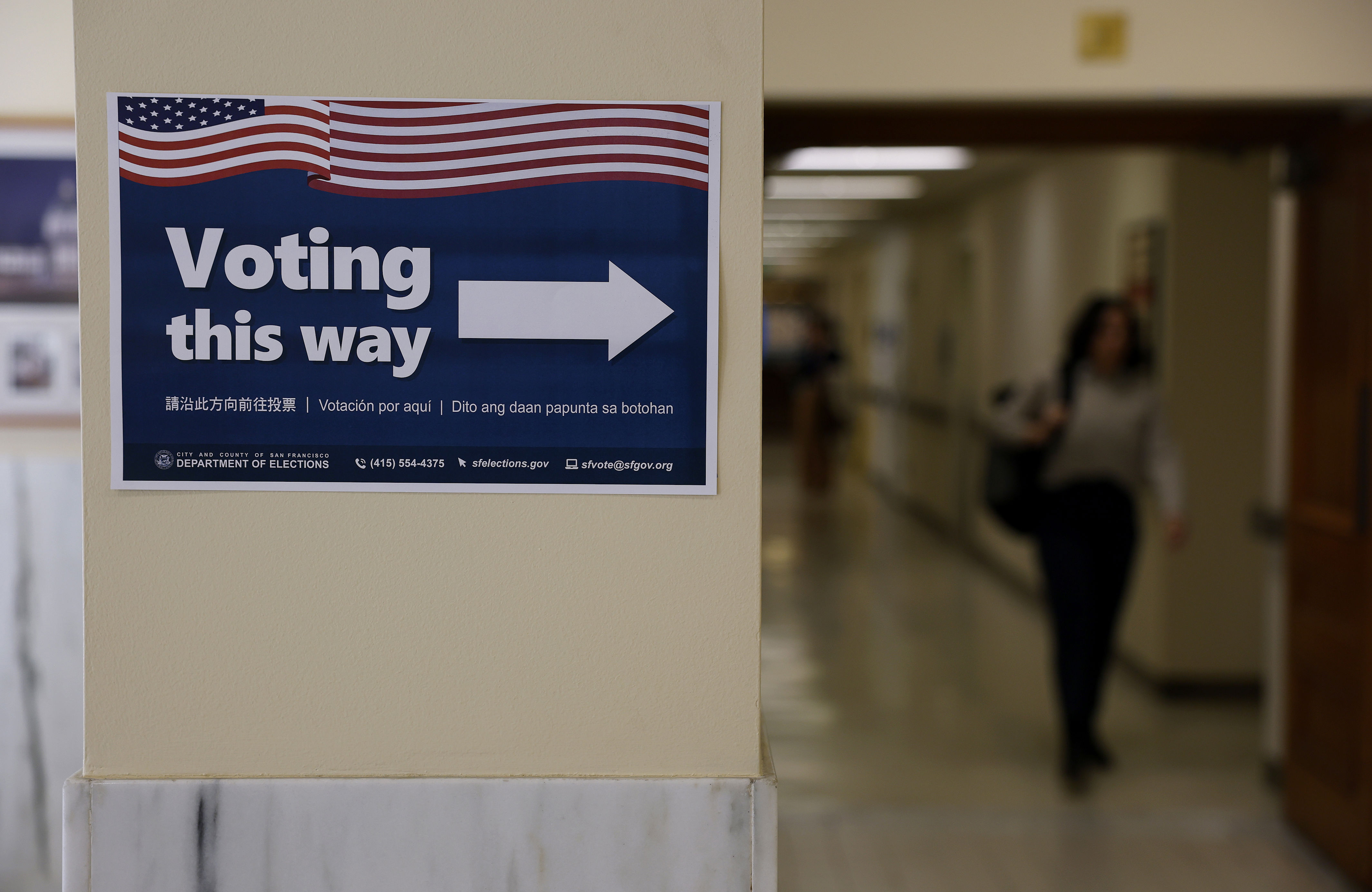
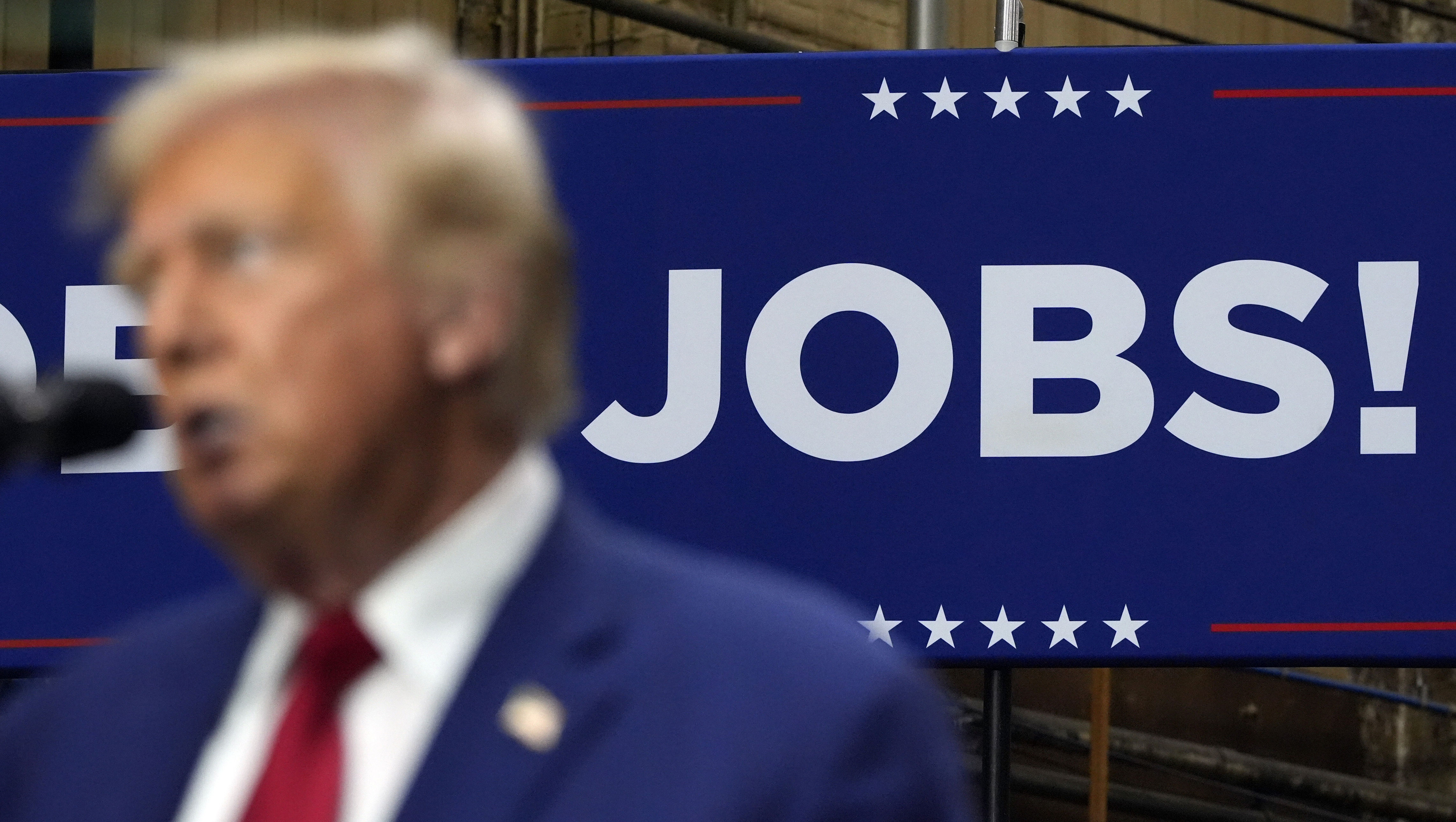
President Donald Trump’s labor market is bouncing back. And with six months to go before the midterm elections, that is welcome relief to GOP policymakers who have struggled to break through to voters on the economy.
The Labor Department on Friday reported that U.S. employers added 115,000 jobs in April — more than double the 55,000 projected by surveys of economic forecasters — and the jobless rate was unchanged at 4.3 percent. With unemployment hovering below historic averages, and private sector hiring showing signs of a revival, GOP and White House messaging shops quickly seized on the report as proof that Trump’s economy is humming.
“The April jobs report smashing expectations thanks to robust private-sector growth is yet another sign that the American economy remains on a solid trajectory under President Trump,” White House Senior Deputy Press Secretary Kush Desai said on X shortly after the report was released.
Stocks climbed on the news, improving on recent gains. The job tally reported by the Bureau of Labor Statistics was a “clear upside surprise,” Eric Merlis, a managing director and co-head of global markets at Citizens Bank, said in a note shortly after the report’s release.
“Importantly, the data suggests the hostilities in the Middle East have had little visible impact on the U.S. job market,” Merlis added.
Fuel prices surged over the last two months after the war in Iran snarled tanker traffic through the Strait of Hormuz, a key waterway for 20 percent of the world’s supply of oil and gas. And the economic effects of the war have further damaged Trump’s standing on the economy, which poses serious challenges to Republican leaders in their bid to maintain control of Congress in the upcoming midterms.
Trump’s disapproval rating is well above 50 percent, according to polling averages, and labor market challenges represented a major political headache for the White House for much of the last year.
Trump’s immigration crackdown negatively affected the supply of workers, but many businesses also appeared reluctant to hire against an uncertain economic backdrop. Going into 2026, unemployment was inching higher, measures of compensation and wage growth were slowing — as were measures of consumer sentiment — and that stoked Trump’s political challenges around affordability.
The April jobs report, along with the blockbuster addition of 185,000 jobs in March, signals a reversal of labor market trends. In the health care sector — a major source of private sector jobs growth over the last year — employers added 37,000 jobs last month, according to BLS. Hiring in the transportation and warehousing industry also grew by 30,000 in April.
“The economy is so much better than what the doom crew has been saying,” Chris Zaccarelli, the chief investment officer at Northlight Asset Management, wrote in a note Friday morning. “There are a lot of headwinds — higher oil prices, sticky inflation and higher-for-longer interest rates — and yet the labor market is adding jobs, GDP is growing and corporate profits are expanding at a rapid pace.”
But while the headline numbers were uniformly positive, there are also signs of weakness. The latest National Federation of Independent Business’ employment index — which tracks hiring trends across smaller enterprises — indicates the labor market is weakening. The total number of job openings nationwide has trended down since the start of the year, according to BLS.
The headline numbers from the jobs report “should be taken with a grain of salt,” KPMG Chief Economist and Managing Director Diane Swonk said in an interview. And “we know that small and mid-sized businesses are feeling the bulk of the margin compression due to higher energy prices and the effects of tariffs.”
What’s more, the contraction in hiring that occurred in February was deeper than what had been previously estimated, according to BLS. And a notable increase in the number of people who are working part-time for economic reasons pushed up an alternative measurement for under-employment that’s often cited as a sign of labor market weakness.
“That’s why you're seeing the anxiety and consumer attitude surveys,” Swonk said.
The University of Michigan reported on Friday morning that consumer sentiment has continued to decline and is now in line with where it was in mid-2022, when post-pandemic inflation was at its peak. That’s created significant openings for Democrats.
“Under Donald Trump, Americans have seen months of stalled growth, falling job openings, and growing long-term unemployment,” Sen. Elizabeth Warren (D-Mass.) said Friday. “And with Trump’s war in Iran raising prices on everything from gas to groceries, your paychecks could start to fall behind.”