Welcome back, Deadline: Legal Newsletter readers. The Supreme Court issued one of its most anticipated rulings and held its last hearings of the term this week. We now enter the final stretch, as the justices resolve the remaining cases before their summer recess.
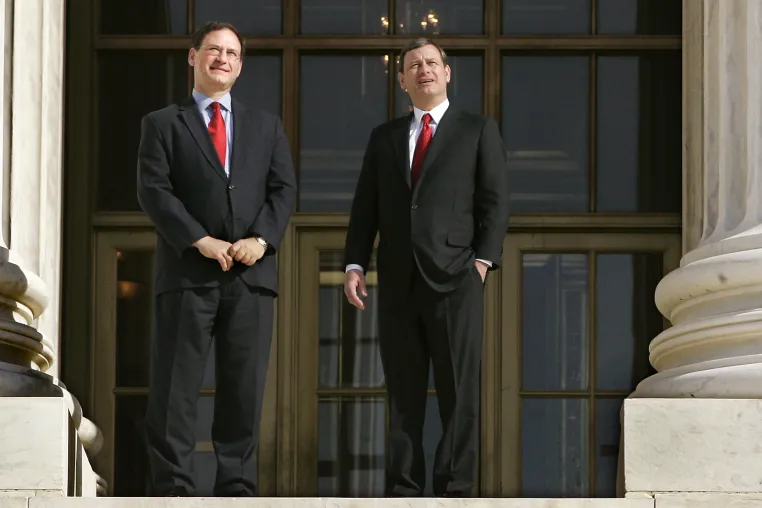
The Voting Rights Act was at stake in that closely watched case, Louisiana v. Callais. In a 6-3 split, the Republican-appointed majority struck down the state’s congressional map, on the grounds that it wrongly took race into account in creating a second majority-Black district. That made the map what Justice Samuel Alito’s opinion called an “unconstitutional racial gerrymander.” He was joined by all five of his fellow GOP appointees, including Chief Justice John Roberts, whose crusade against the Voting Rights Act began long before he took the bench.
But while Alito claimed that his opinion kept the landmark act intact, Justice Elena Kagan’s dissent argued that it rendered a key voting rights protection “all but a dead letter” and marked the “latest chapter in the majority’s now-completed demolition of the Voting Rights Act.” She wrote that in states where the act “continues to matter — the States still marked by residential segregation and racially polarized voting — minority voters can now be cracked out of the electoral process.”
Kagan read her dissent from the bench, a rare move that highlights a justice’s intent to sound an alarm.
The implications of Callais extend nationwide. The Associated Press reported that Louisiana “suspended its congressional primaries Thursday as early voting was about to get underway, while pressure mounted on Republican officials in other states to redraw their U.S. House maps” in light of the ruling. The University of Virginia’s nonpartisan Center for Politics said the decision’s ultimate effect could be to “pave the way for Republican-controlled states to redraw and eliminate majority or plurality Black districts that elect Democrats in the South.” Whatever Callais means for the midterms, the center said the case’s “ripple effects will be felt more deeply in subsequent elections” in 2028 and beyond.
Race also featured in one of the term’s final hearings, over humanitarian protections for immigrants from Haiti and Syria. Lower courts have blocked Donald Trump’s administration from ending Temporary Protected Status, or TPS, for hundreds of thousands of people from those countries and others to which the federal government previously found it too dangerous to return. The administration turned to the justices for help.
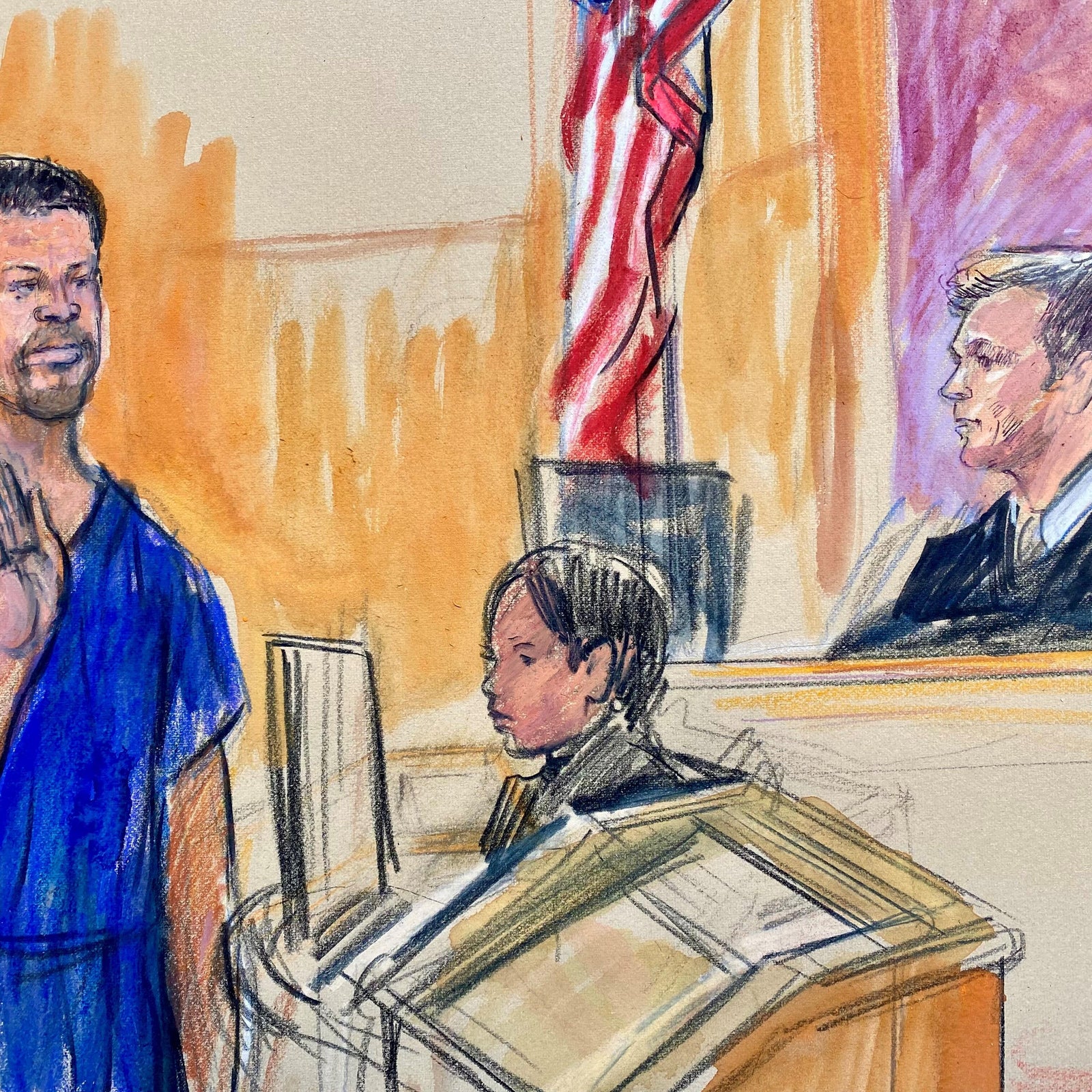
Trump’s “racial animus towards nonwhite immigrants and bare dislike of Haitians in particular” is the “true reason” for terminating protections, a lawyer for the immigrants argued in court on Wednesday. That lawyer, Geoffrey Pipoly, recalled that the president “has disparaged Haitian TPS holders specifically as undesirables from a ‘s–––hole country,’ and days after falsely accusing them of ‘eating the dogs and eating the cats of Americans,’ he vowed that he would terminate Haiti’s TPS, and that is exactly what happened.”
Solicitor General John Sauer, who served as a top personal lawyer to Trump and now occupies a top Justice Department post, said the president’s “s–––hole” comment and others raised by the immigrants are totally unrelated to race. “All those statements in context refer to problems like crime, poverty, welfare dependence, drugs, drug importation,” Sauer said. He argued that, in any event, courts are powerless to review the government’s decisions to end protected status.
Alito pressed Pipoly on the lawyer’s race claim. The justice who announced his Callais opinion earlier that day said the lawyer had “a really broad definition of who’s white and who’s not white. As I said, I don’t like dividing the people of the world into these groups.”
The justices are in their private conference on Friday to discuss pending cases and vote on which new appeals to take up for next term. We’ll get an order list on Monday morning with the results from the conference. Besides that, the court will hand down the term’s outstanding rulings as they’re ready, typically concluding in late June, on top of whatever urgent matters arrive on the shadow docket.
Have any questions or comments for me? Please submit them through this form for a chance to be featured in the Deadline: Legal Blog and newsletter.
The post The Roberts Court’s ‘demolition’ of the Voting Rights Act is now ‘complete’ appeared first on MS NOW.
This article was originally published on ms.now