The Texas Supreme Court on Friday refused to declare that Democratic lawmakers who briefly fled the state in 2025 to block a vote on new congressional maps, which were pushed by Donald Trump, had vacated their office.
This ruling by the all-Republican court dealt a significant blow to Governor Greg Abbott and state Republicans in their efforts to severely punish the more than 50 Democrats who bolted for New York, Illinois and Massachusetts in a bid to stop a vote on the maps during a special legislative session.
The Texas redistricting effort kick-started cascading efforts by both major parties across the country to redraw crucial voting maps ahead of this year's midterm elections.
Republicans, pushed by Trump, actively seek to hold their slim majority in Congress as Democrats vigorously try to counter them.
Those efforts have gained new intensity after the U.S. Supreme Court further weakened the Voting Rights Act by no longer allowing race to be considered in how congressional and other districts are drawn.
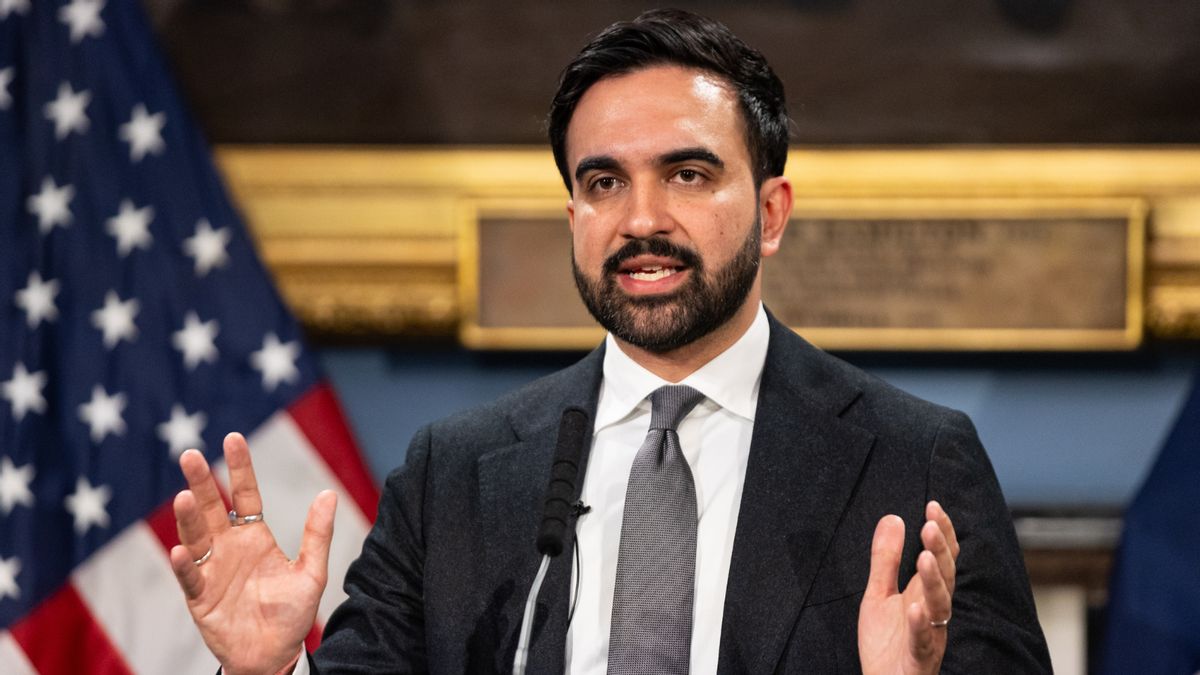
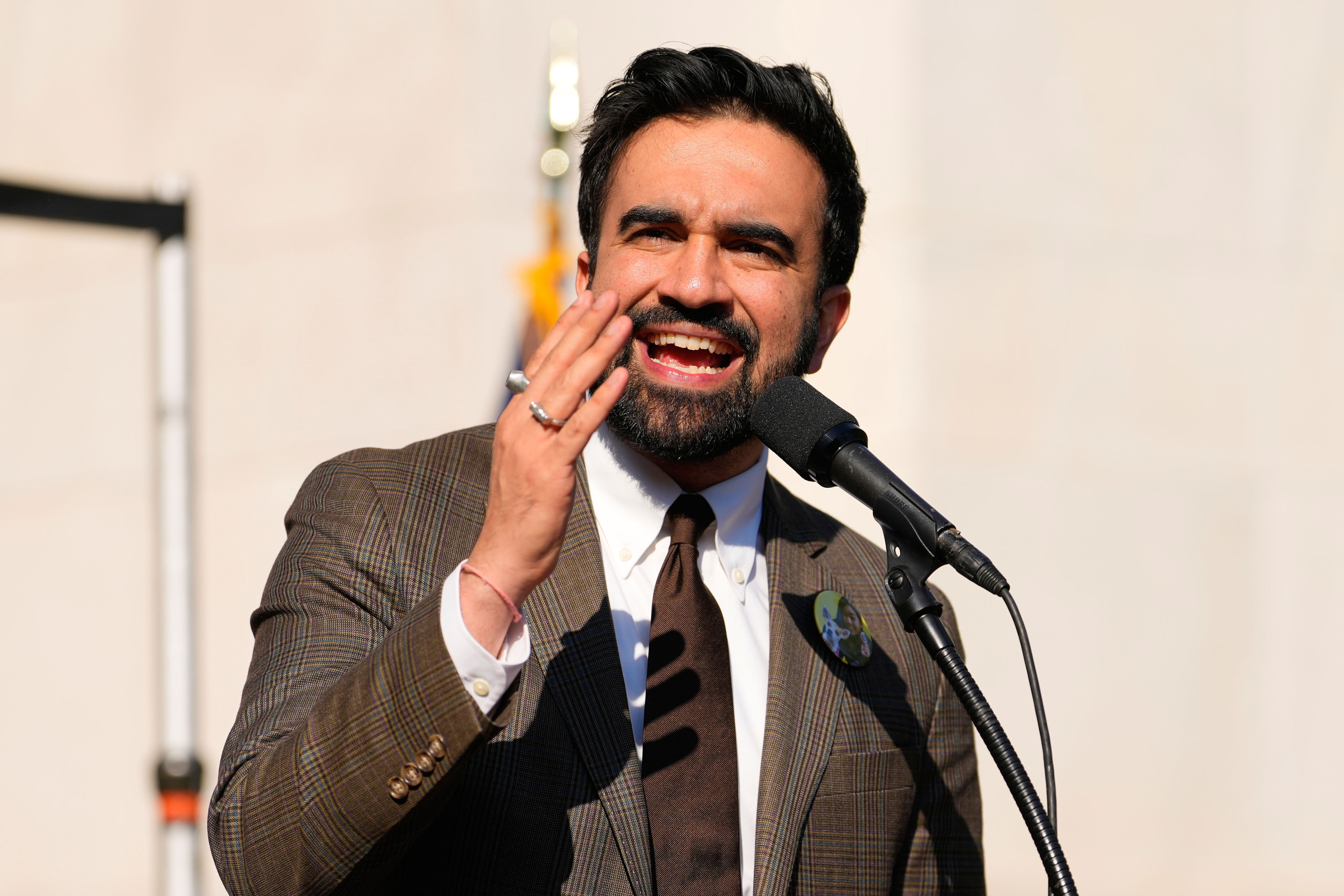
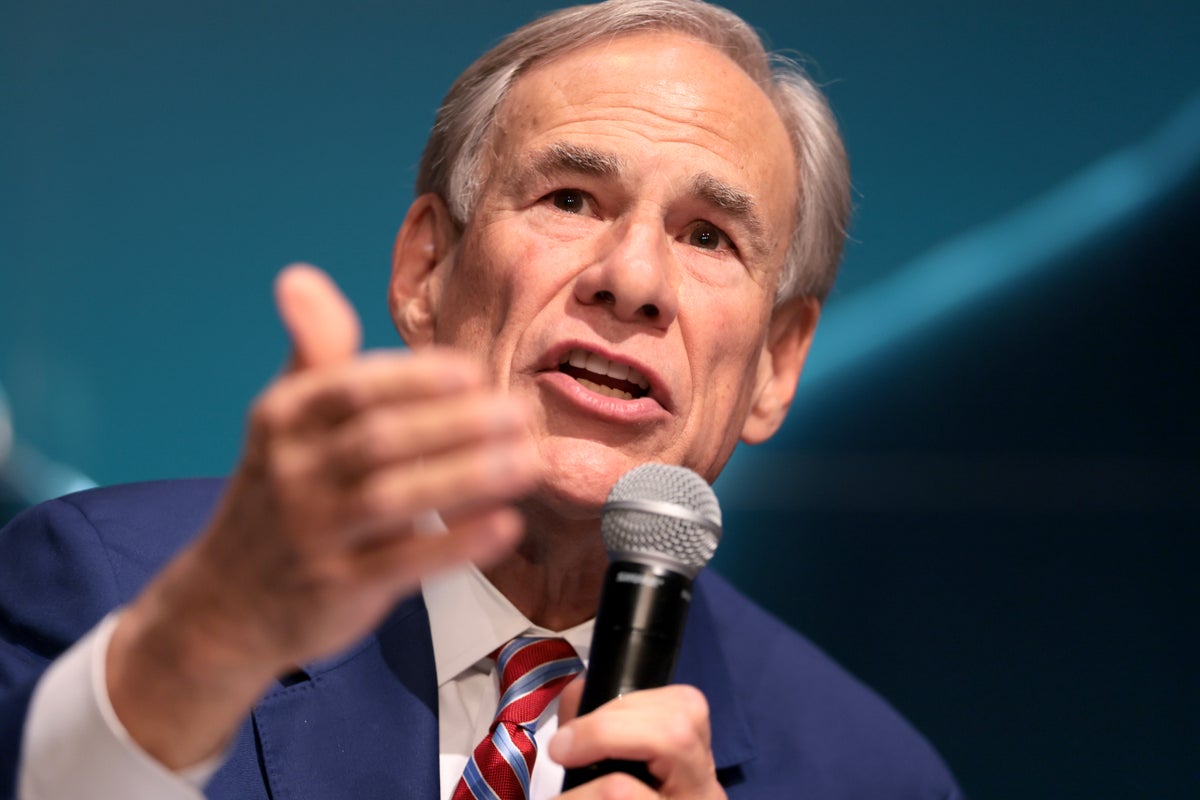
In Texas, Abbott had argued in a lawsuit filed directly to the state’s highest civil court that state Rep. Gene Wu, the recognized leader of the House Democratic caucus, and others had effectively abandoned their official office.
If successful, they hoped to wield a new, powerful hammer to threaten lawmakers considering any future quorum breaks. Wu had argued that he was not abandoning his office, but was exercising a fundamental right to dissent.
In denying Governor Abbott’s request, the court opinion written by Justice James Blacklock noted that the Republican-majority Legislature had adequately resolved the problem itself through various measures such as fines against the missing lawmakers, and it noted they eventually returned on their own within a few weeks.
"In the end, a quorum was restored in two weeks’ time, without judicial intervention, by the interplay of political and practical forces," Blacklock wrote.
"Courts have uniformly recognized that it is not their role to resolve disputes between the other two branches that those branches can resolve for themselves," the opinion said. If the issue rises again and the Legislature cannot effectively compel lawmakers to return, the court may someday consider whether judicial intervention is truly needed, the opinion added.
"When Greg Abbott threatened to arrest and expel us for denying him a quorum, we told him he should ‘come and take it.’ He tried!" Wu said in a statement Friday.
"Abbott was wrong, weak, and after all his bluster, he couldn’t come and take a damn thing." Wu and the other lawmakers eventually returned to Texas, and the new map was passed and signed into law by Abbott.
Wu had argued that because he had returned to the Capitol and the map was eventually signed into law, there was no longer any compelling reason for the court to weigh in.
If lawmakers leave again, the governor will bring the same issue back to the court, Abbott spokesman Andrew Mahaleris said Friday.
"No elected official has the right to abandon their duties, flee the state and shut down the people’s business," Mahaleris said. "Governor Abbott’s legal action is what brought derelict Democrats back to Texas to do their jobs and pass the Big Beautiful Map." This stance underscores the ongoing political tension.
The state constitution requires that at least 100 of the 150 House members be present to conduct business, and the quorum break effectively shut down a special legislative session Abbott had called to address redistricting and other critical issues. Texas has a well-documented history of walkouts. In 2021, the court ruled that the Texas Constitution enables the possibility of a quorum break but also allows for consequences to bring members back. Last year's Democratic walkout was the third since 2003, when lawmakers bolted to stop a vote on a redistricting bill. They did it again in 2021 over an elections bill. In both cases, they were temporary victories as Democrats eventually returned and the Republican majority in the Legislature ultimately passed both measures into law.
From news to politics, travel to sport, culture to climate – The Independent has a host of free newsletters to suit your interests. To find the stories you want to read, and more, in your inbox, click here.