Beijing has ordered Chinese companies to defy U.S. sanctions over refineries linked to Iranian oil, in a challenge to U.S. efforts to extract further concessions from Iran in negotiations for a lasting ceasefire.
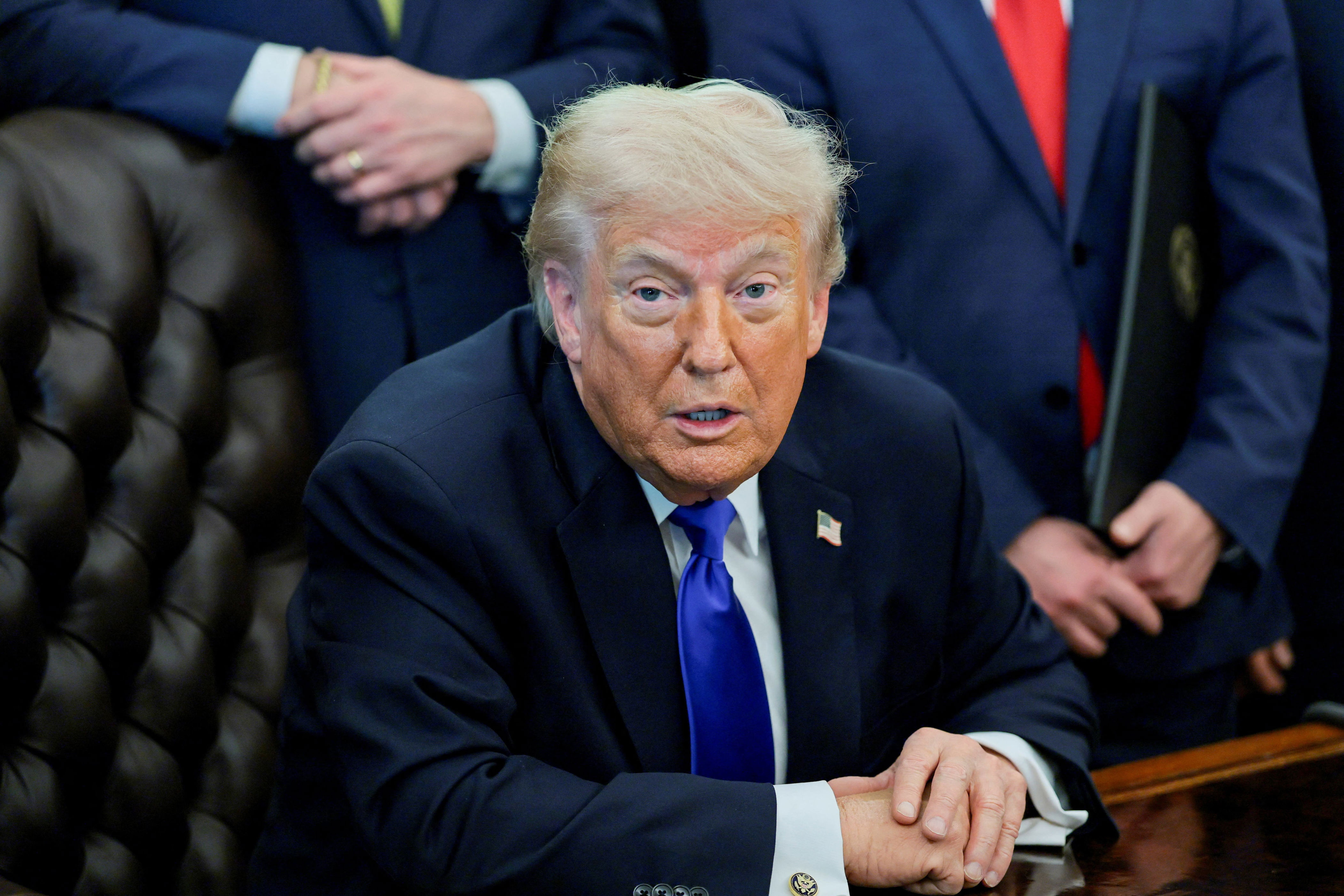
The unprecedented move sets the stage for a potential showdown just days before President Donald Trump’s highly anticipated state visit to Beijing.
China has regularly condemned unilateral sanctions by the U.S. and others, criticizing them as a form of “long-arm jurisdiction” used to enforce domestic laws extraterritorially. However, the Ministry of Commerce’s Saturday announcement marked the first time Beijing has explicitly directed its firms to defy such measures.
The ministry invoked a sanctions-blocking mechanism introduced in 2021 to safeguard Chinese firms from foreign laws viewed as unjust. It cited the need to “safeguard national sovereignty, security, and development interests, and protect the legitimate rights and interests of Chinese citizens, legal persons or other organizations.”
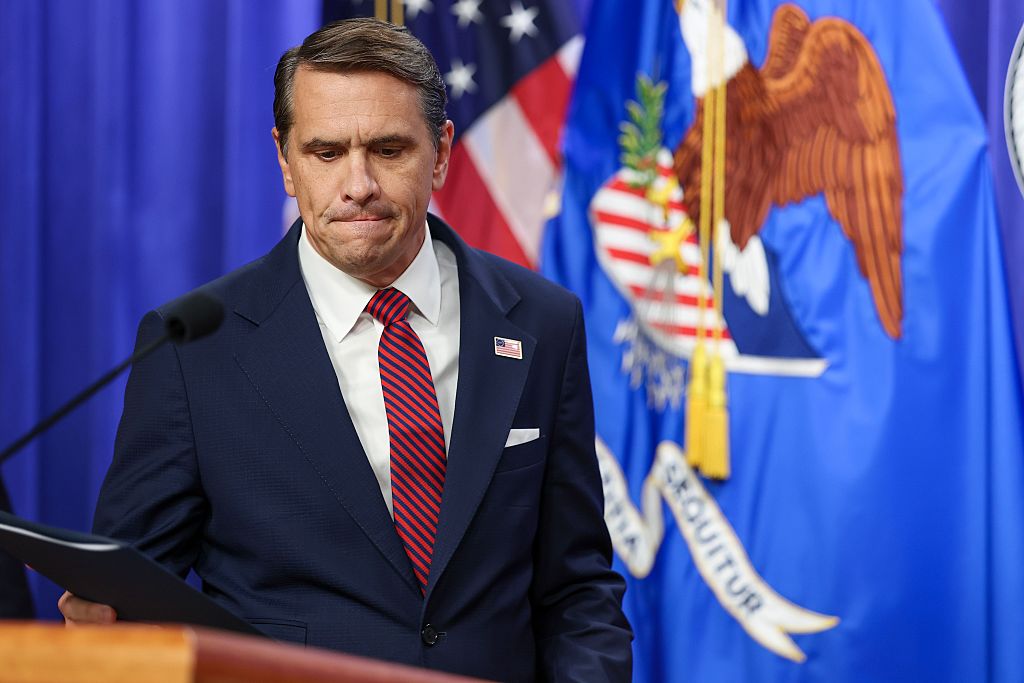
The move followed a U.S. Treasury Department warning that it would bring to bear “the full range of available tools,” including secondary sanctions, against any entities found to have done business with so-called “teapot refineries” that import Iranian oil.
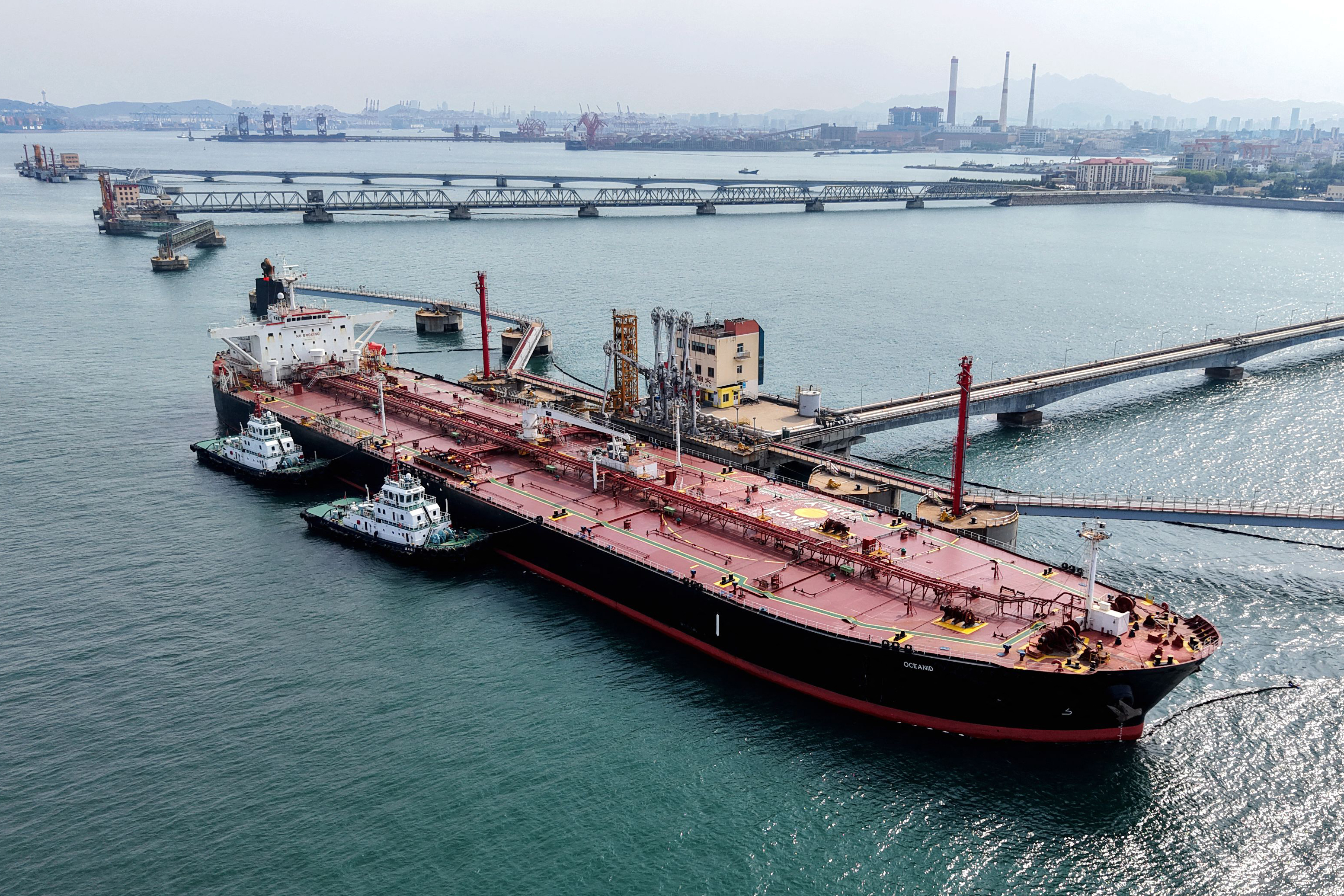
Primarily located in Shandong province, teapot refineries are small, privately owned facilities that process the bulk of China’s sanctioned crude from Russia and Iran, often shipped by vessels in the so-called “shadow fleet,” providing those governments with critical revenue streams.
Since March 2025, the Treasury’s Office of Foreign Assets Control has designated five such refineries: Shandong Jincheng Petrochemical Group Co., Hebei Xinhai Chemical Group Co., Shandong Shengxing Chemical Co., Shandong Shouguang Luqing Petrochemical Co. and Hengli Petrochemical Refining Co.
U.S. officials on both sides of the aisle have recently stepped up calls for tougher action on these refineries, seen as a key sanctions gap that blunts enforcement.
“This revenue ultimately benefits the Iranian regime, its weapons programs, and its military,” the Treasury Department said in an April 28 statement.
The U.S. announcement followed Treasury Secretary Scott Bessent’s statement last month that the department had warned two Chinese lenders over their role in the Iranian oil trade, without naming them.
Newsweek reached out to the Chinese Embassy in the U.S. and the U.S. Department of the Treasury by email with requests for comment.
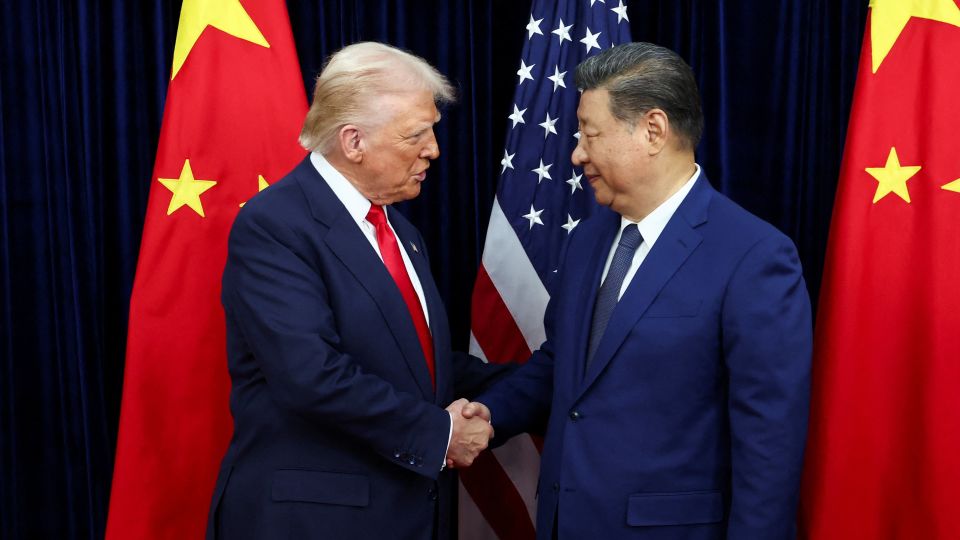
The standoff threatens to complicate the fragile easing of tensions achieved during Trump’s last face-to-face meeting with Xi in Busan, South Korea, in October. The two are set to meet again in mid-May in Beijing.
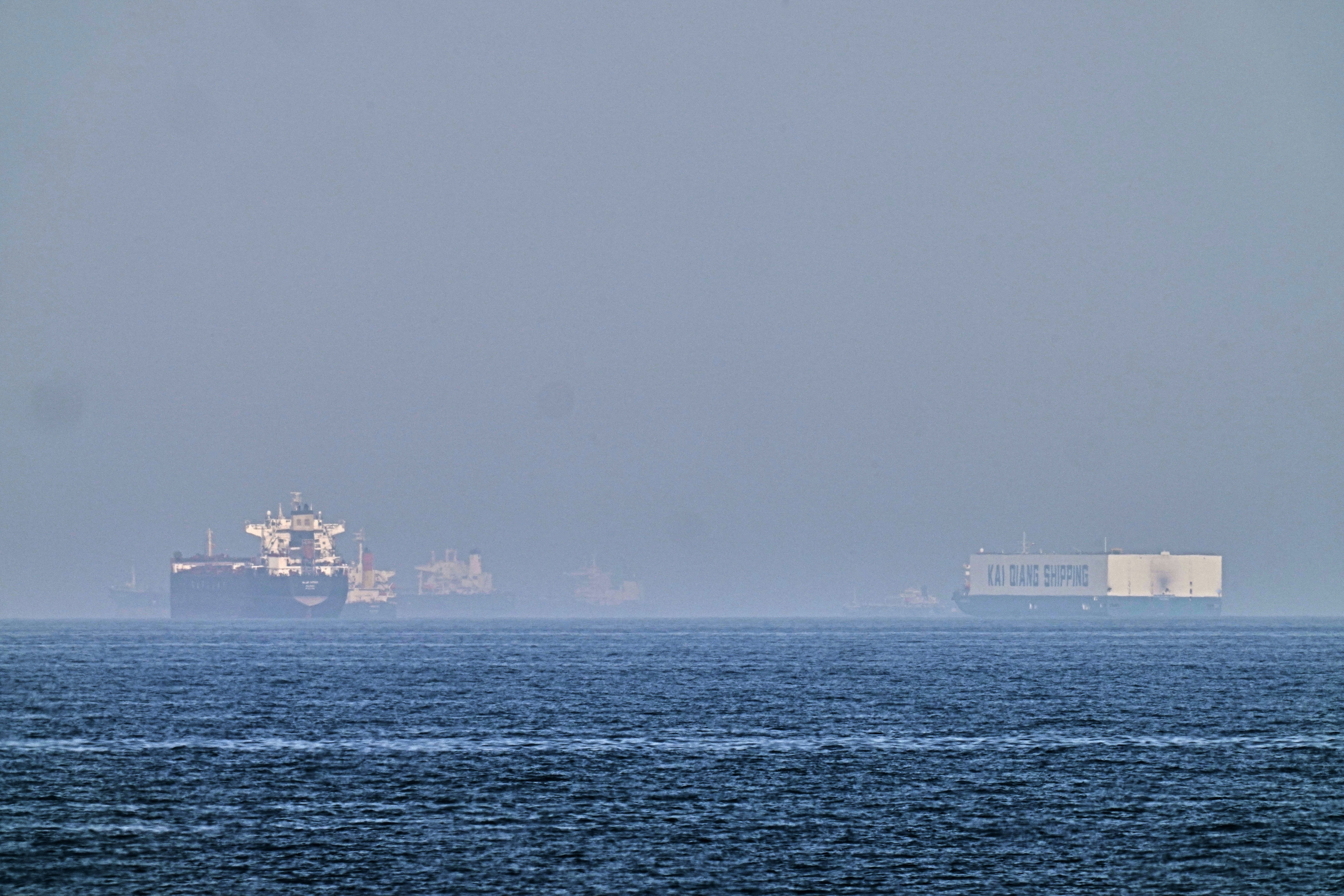
Shipping in the Strait of Hormuz has slowed to a crawl since the U.S. and Israel launched their attacks against Iran on February 28, United Nations officials reported last week. Iranian attacks against commercial vessels and soaring insurance premiums have left hundreds of ships stranded and roiled oil markets. During peacetime, the waterway is a conduit for one-fifth of the world’s maritime oil.
Washington’s April 13 move to blockade the Gulf of Oman has further tightened pressure on Iranian oil flows, with U.S. forces intercepting and turning back vessels found to have departed Iranian ports.
While China is better prepared than many of its neighbors for an oil shock because of its vast strategic reserves and alternative supply sources, abruptly losing access to Iranian crude would still strain several key sectors, including construction and petrochemicals, and force a rapid rebalancing toward other suppliers.
Iran is a major source of China’s oil imports, accounting for roughly 13 percent, according to estimates by shipping analytics firm Kpler. China is believed to account for more than 90 percent of Iran’s crude exports.
The U.S. and Iran announced a temporary ceasefire early last month, but two rounds of Pakistan-organized negotiations failed to produce a lasting agreement.
Related Articles