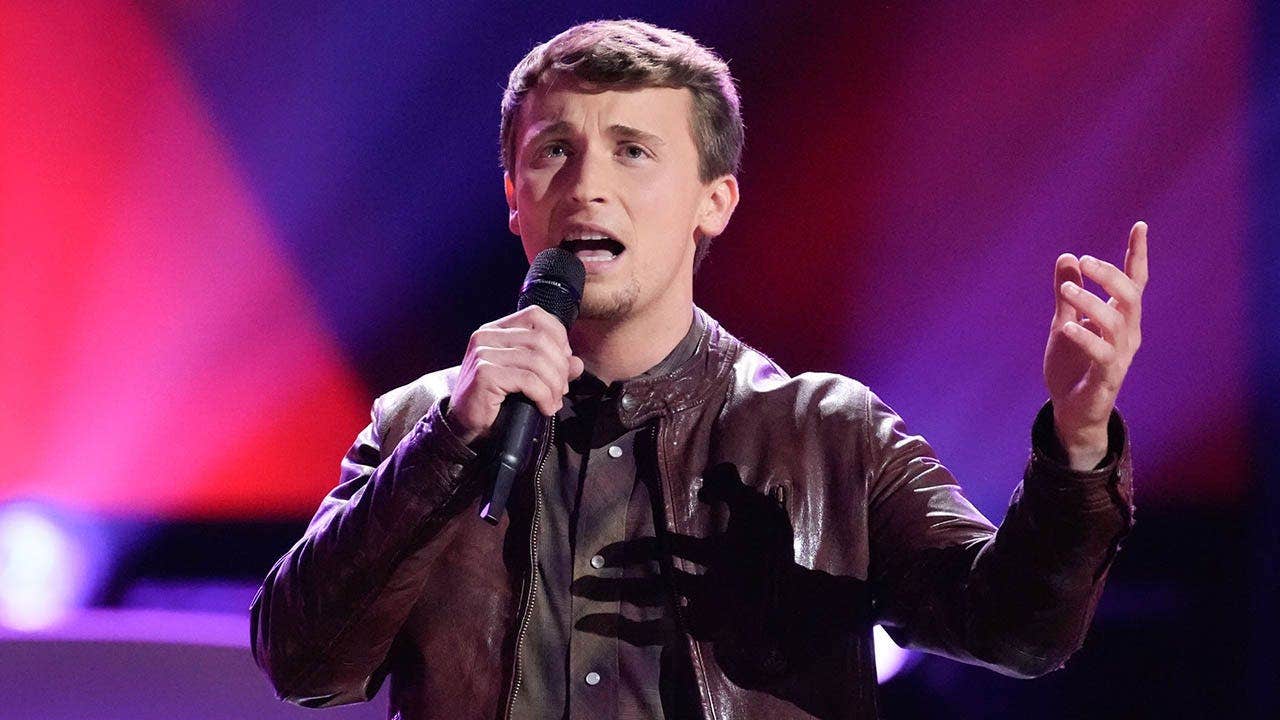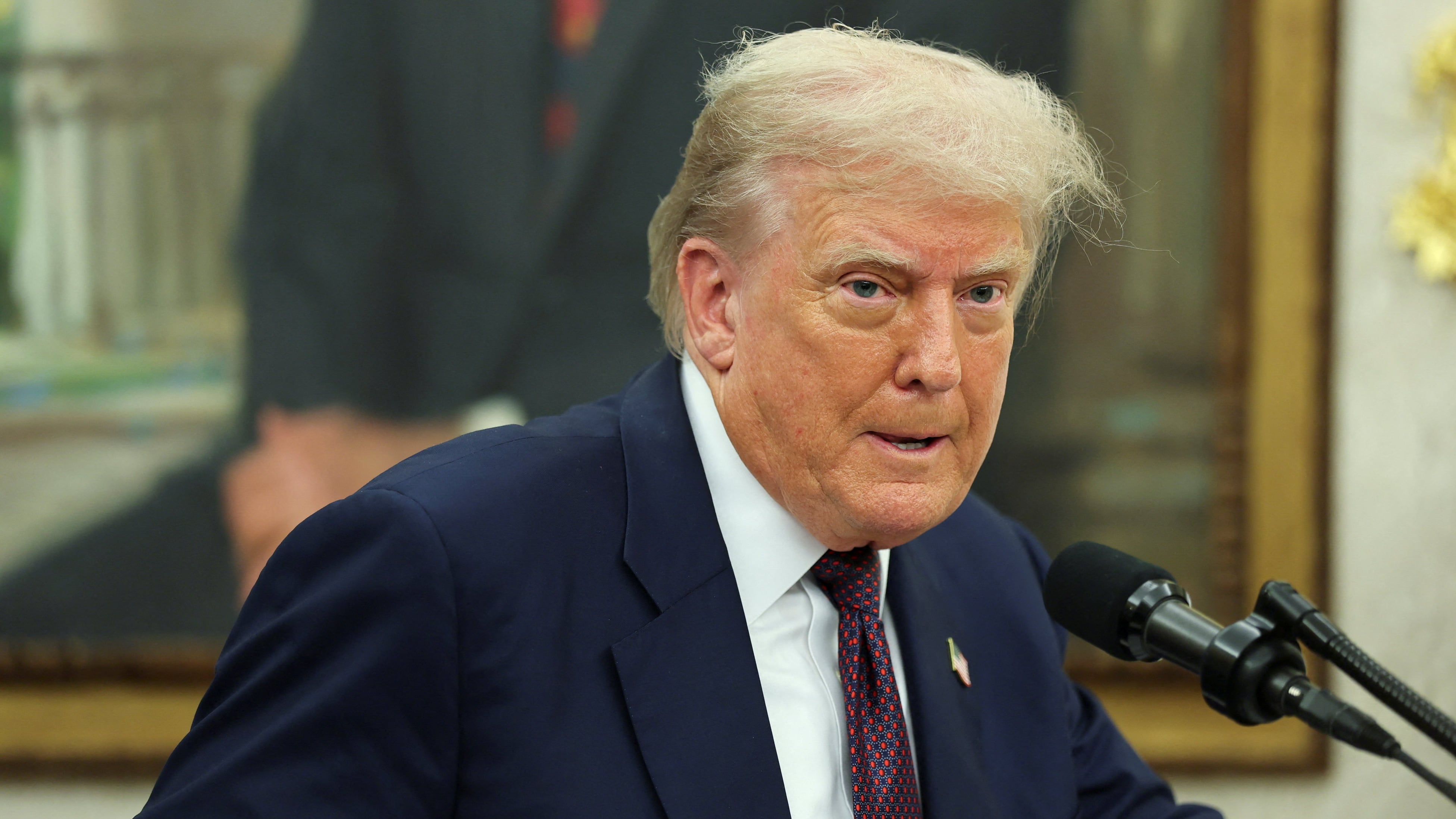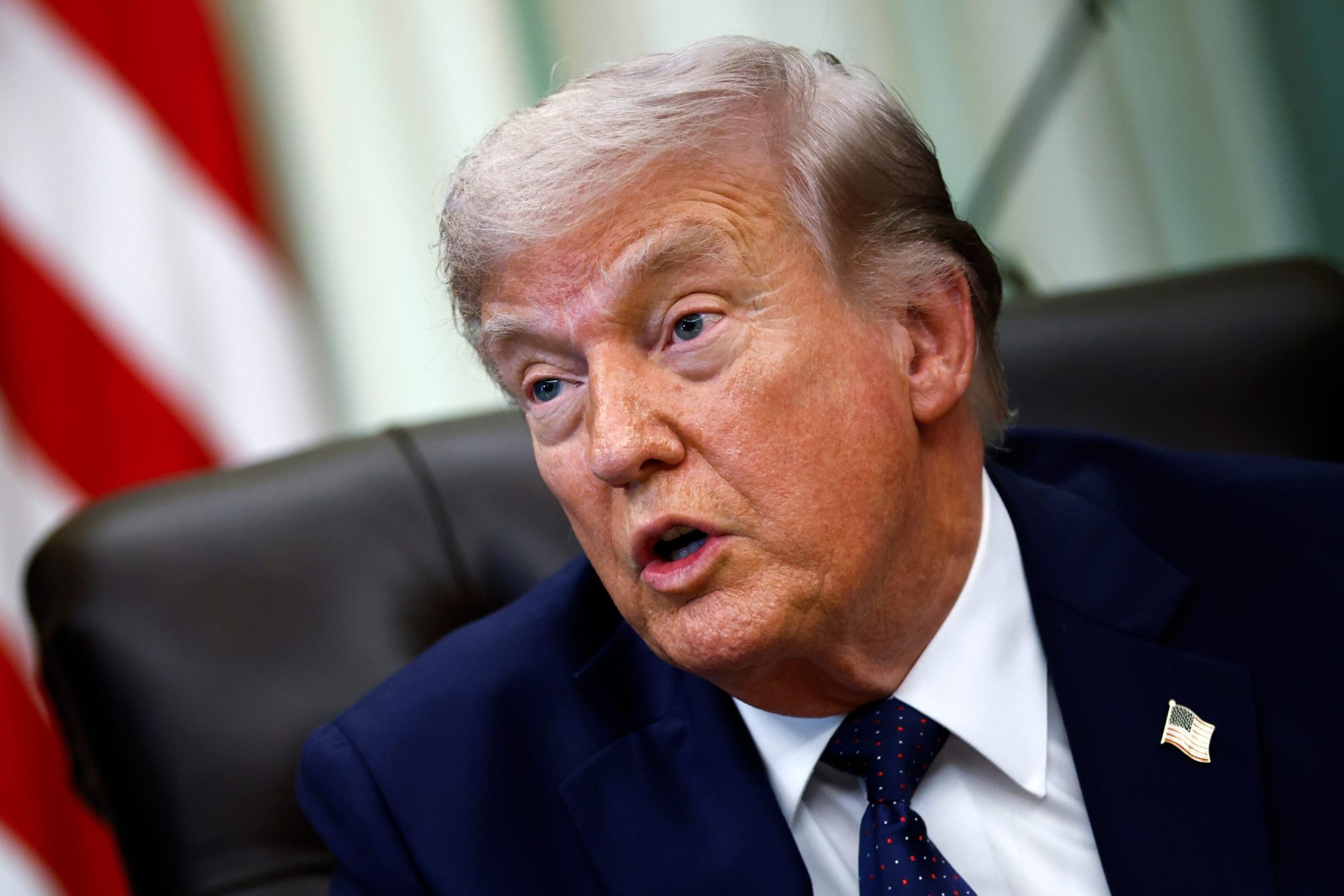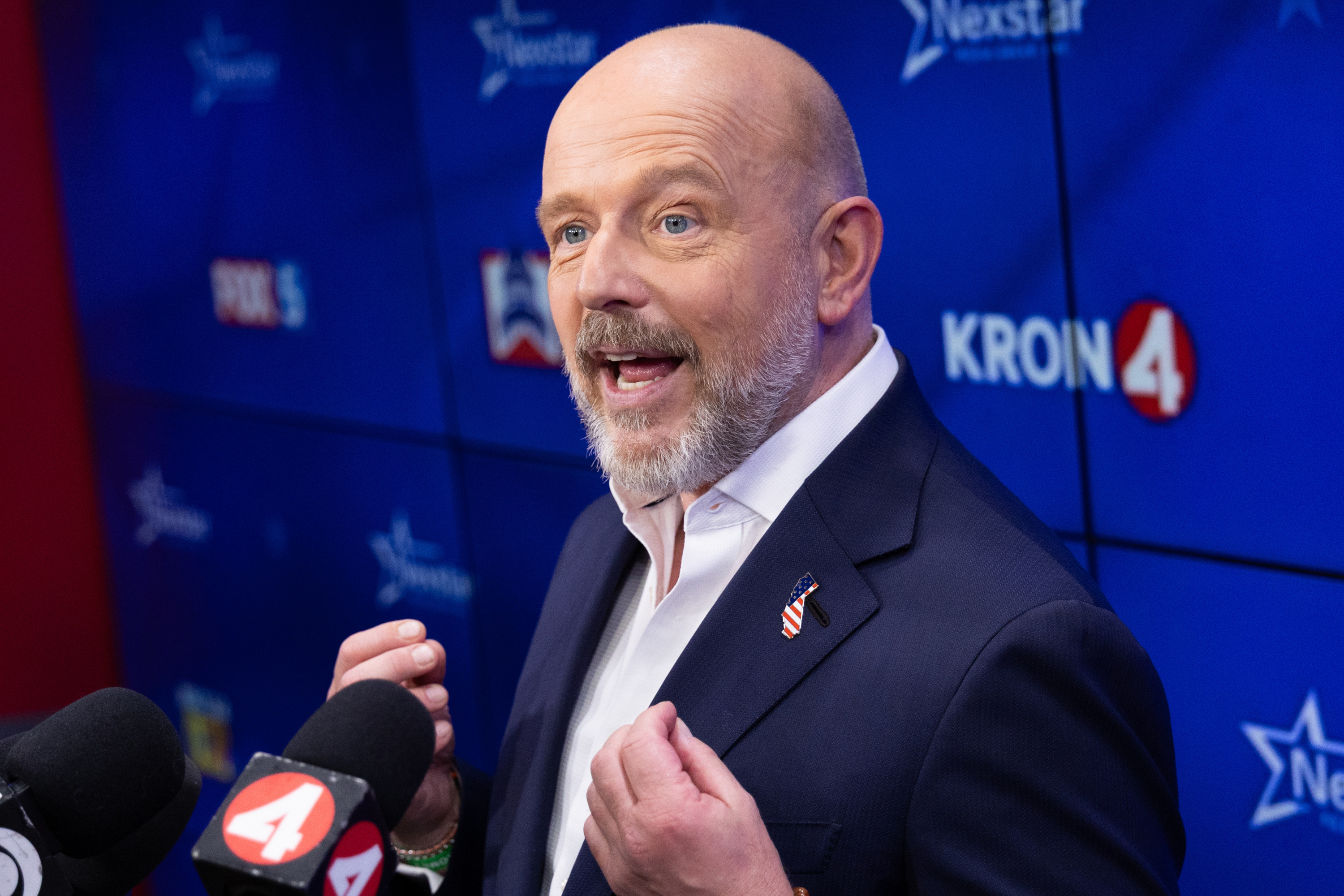
A new CBS News/YouGov poll shows Republican Steve Hilton narrowly leading a fractured California governor’s primary field as Democrats split support among several high-profile candidates.
With six weeks until the June 2 primary, undecided voters outnumber any single candidate, making the race unusually volatile.
A divided Democratic electorate raises the risk of a top‑two shutout, giving Republicans a rare opening in deep‑blue California.
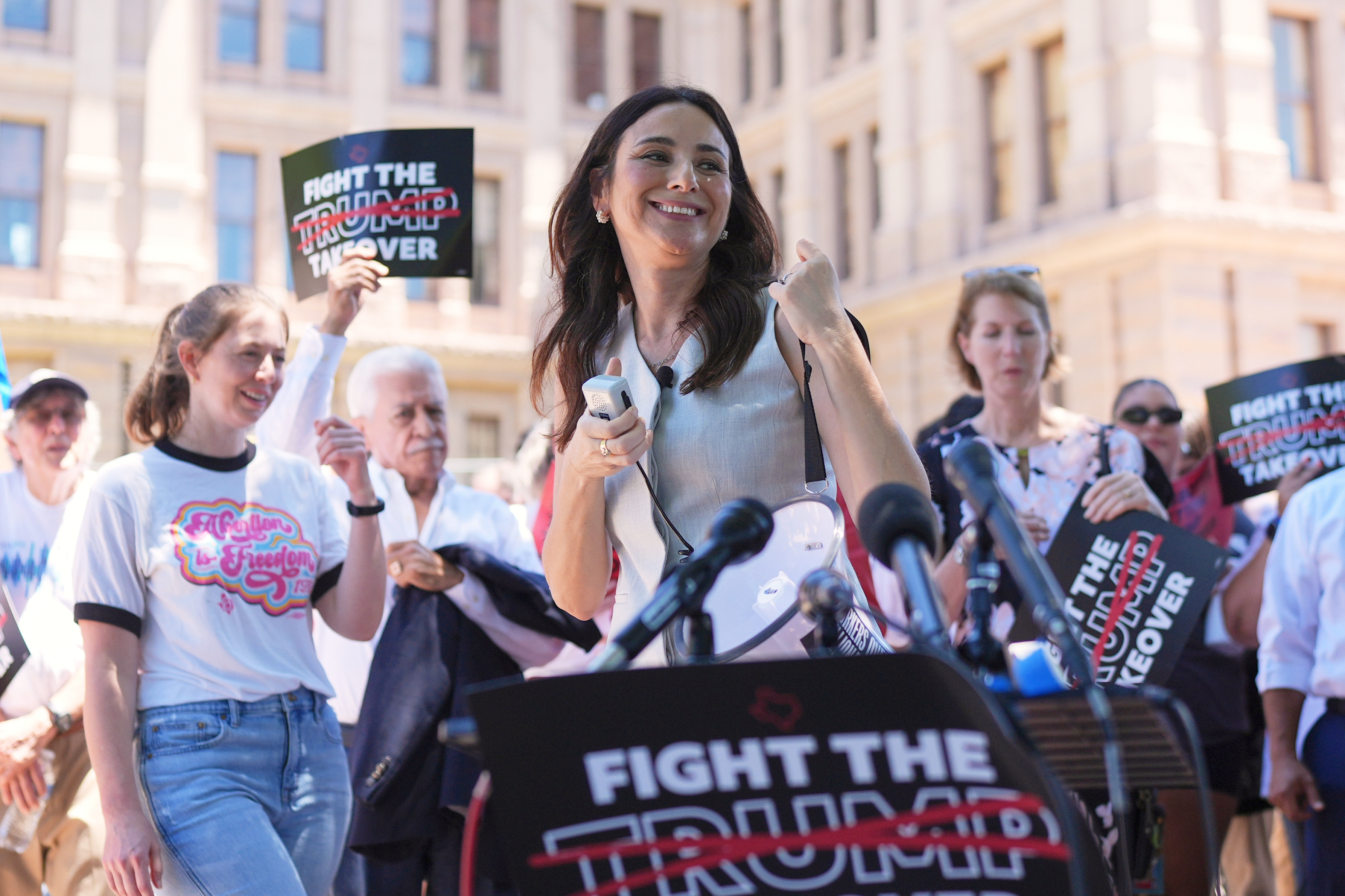
With primary ballots set to reach voters within weeks, California Democratic Party Chair Rusty Hicks warned earlier this month that the crowded Democratic field could have consequences, saying the “clock is ticking for candidates to do what is best for California in this historic moment.”
Newsweek has contacted Hilton for comment via his campaign website.
Why It Matters
California has not elected a Republican governor since Arnold Schwarzenegger left office in 2011, but the state’s top‑two primary system creates scenarios where party dominance alone does not guarantee general‑election access.
With the current Governor, Gavin Newsom, term‑limited, the absence of an incumbent has produced an unusually crowded and unstable contest.
What To Know
A new CBS News/YouGov survey conducted April 23–27 among 1,479 registered California voters underscores just how unsettled the race remains. Respondents were interviewed online, with the sample weighted by gender, age, race, education, region, and 2024 presidential vote.
The margin of error was plus or minus 4.2 points for registered voters, and plus or minus 4.1 points for likely primary voters.
In the head‑to‑head snapshot of vote choice, Hilton, a Republican and former Fox News host, leads the field with 16 percent, narrowly ahead of Democratic billionaire Tom Steyer at 15 percent and former Health and Human Services Secretary Xavier Becerra at 13 percent. No other candidate breaks into the mid‑teens.
Crucially, undecided voters (26 percent) make up a larger share of the electorate than any single contender, highlighting how fluid preferences remain. CBS News notes that many voters are still considering multiple candidates and that familiarity, not enthusiasm, is driving early support.
A Contest Defined By Cost Of Living
Voters across party lines share one conclusion: California has become increasingly unaffordable.
In the CBS News/YouGov survey, 70 percent of registered voters now describe the cost of living as “unmanageable,” up from 61 percent in 2021, while just 30 percent say it is manageable, down eight points over the same period.
That pressure has fed broader pessimism about opportunity in the state. Asked whether the so‑called “California Dream” is attainable today, 64 percent of voters say they are not too confident or not confident at all, compared with just 36 percent who express any degree of confidence. Only 7 percent say they are very confident it remains within reach.
Age sharply shapes those views. Among Californians under 50, 49 percent say they are at least somewhat confident the California Dream is attainable, while 51 percent are not.
Among voters aged 50 and older, pessimism dominates: 77 percent say they are not confident, compared with just 23 percent who express any optimism.
Perceptions of the economy itself break down starkly along partisan lines, with 56 percent of Democrats describing California’s economy as good, compared with 39 percent who call it bad.
Among independents, opinions tilt negative, with 55 percent saying the economy is bad and 39 percent calling it good. Republicans are the most pessimistic by far, with 76 percent describing economic conditions as bad and just 22 percent saying they are good.
Those diverging assessments help explain why Democrats and Republicans are looking for very different kinds of leadership—and why cost‑of‑living pressures have become the defining issue of the 2026 gubernatorial race.
What Voters Are Looking For In A Governor
When asked what qualities matter most in a candidate, likely primary voters point first to character and competence rather than ideology. Some 77 percent say a candidate’s values are important to them, making it the most frequently cited attribute.
That is followed by experience, selected by 56 percent, and judgment, cited by 52 percent.
A desire for change also features prominently, with 50 percent saying they are looking for a candidate who represents a break from the status quo—a signal of overlap but also tension between continuity and disruption in the race.
The Newsom Factor And Democratic Fragmentation
Newsom’s record continues to loom over the Democratic primary—and the polling shows his approach still commands broad support within the party. Among likely Democratic primary voters, 71 percent say they want the next governor to have policies similar to Newsom’s, while 29 percent would prefer a break from his agenda.
That contrasts sharply with the rest of the electorate, with 73 percent of independents saying they want a governor with policies different from Newsom’s, while just 27 percent favor continuity.
Opposition is even more pronounced among Republicans, where 90 percent want a clear departure from Newsom’s policies and only 10 percent say they want a successor who would govern in a similar way.
Those numbers help explain the shape of the primary contest.
Democratic voters broadly reward experience and policy continuity, giving candidates aligned with Newsom a structural advantage within the party.
Outside the Democratic base, however, appetite for change is overwhelming—reinforcing why the general election environment remains far more competitive than California’s partisan registration might suggest.
Debates And The Final Stretch
Despite relatively low name recognition for many candidates, voters say public debates could still play a meaningful role in shaping their decisions.
Among likely primary voters, 30 percent say debates are very important to learning about the candidates, while 46 percent describe them as somewhat important.
Taken together, 76 percent say debates matter at least to some degree. Just 24 percent say debates are not too important or not important at all, reinforcing the idea that the final stretch of the campaign—including televised forums—could still shift preferences in a fluid contest.
Trump’s Shadow Over The Race
Attitudes toward President Donald Trump remain a sharp dividing line in California’s gubernatorial race.
Among likely Democratic primary voters, 90 percent say they want a candidate who opposes Trump, while 1 percent prefer someone who supports him and 9 percent favor neutrality.
Independents are split, with 50 percent looking for a candidate who opposes Trump, 37 percent preferring neutrality and 13 percent supporting a pro‑Trump stance.
Republicans, meanwhile, remain strongly aligned with Trump: 70 percent say they want a candidate who supports him, compared with 23 percent who favor neutrality and 7 percent who want opposition.
Perceptions of federal treatment reinforce those views. Among registered voters statewide, 57 percent say the Trump administration treats California worse than most other states, while 37 percent say it treats the state about the same and 6 percent believe it treats California better.
Polling Beyond CBS News
Other recent polling aggregates point in the same direction: a wide‑open race with Hilton narrowly ahead but far from secure.
Polling averages from 270toWin, Decision Desk HQ, and Race to the White House through mid‑April consistently place Hilton in the high teens, leading Democratic rivals by low single digits.
Across these models, no candidate clears 20 percent, and undecided voters remain sizeable, ranging from roughly 12 to 25 percent depending on the poll.
Forecasters emphasize that such numbers signal instability rather than momentum. Sabato’s Crystal Ball continues to rate the general election as Safe Democratic, reflecting California’s fundamentals rather than current primary dynamics.
And the Cook Political Report continues to classify the contest as Solid Democratic overall, a reminder that the general election outlook remains favorable to Democrats even as the primary field stays unsettled.
What Prediction Markets Say
Prediction markets such as Kalshi and Polymarket offer a different lens on the race.
These platforms allow traders to buy and sell contracts tied to political outcomes, with prices reflecting collective expectations rather than voter preferences alone.
On both markets, Steyer leads with an implied probability of roughly 46 percent to win outright in November.
Becerra follows in the mid‑20s, while Hilton sits below 10 percent, despite leading some primary polls.
Supporters argue that prediction markets can absorb information quickly, integrating polls, fundraising, endorsements, and strategic behavior into a single signal.
Critics counter that markets can overvalue wealthy candidates, suffer from herd behavior, and reflect trader sentiment rather than actual voter turnout, especially months before ballots are cast.
In California’s top‑two system, these limitations are magnified. Markets predict eventual winners, not primary survival, meaning a candidate’s short‑term polling strength may not align with long‑term implied odds.
A Rare Republican Opening, Still A Steep Climb
Hilton’s polling advantage illustrates how Democratic fragmentation can briefly reshape even the bluest states. Yet California’s partisan baseline remains decisive once voters align behind fewer choices.
For now, the numbers point less to a Republican surge than to a system in flux. With a fractured field, unsettled voters, and weeks of debates ahead, California’s governor’s race remains one of the most unpredictable contests of the 2026 cycle.
What Happens Next
Ballots begin mailing May 4, early voting gets underway in early May, and all ballots must be returned by 8 p.m. on June 2, when the top two finishers advance to November.
Related Articles