Even with only a third of councils declared by breakfast time, it is clear that the wipeout the Labour Party feared is materialising.
The party has lost roughly half the seats it was defending, despite a number of Red Wall heartlands being among the counts that have declared.
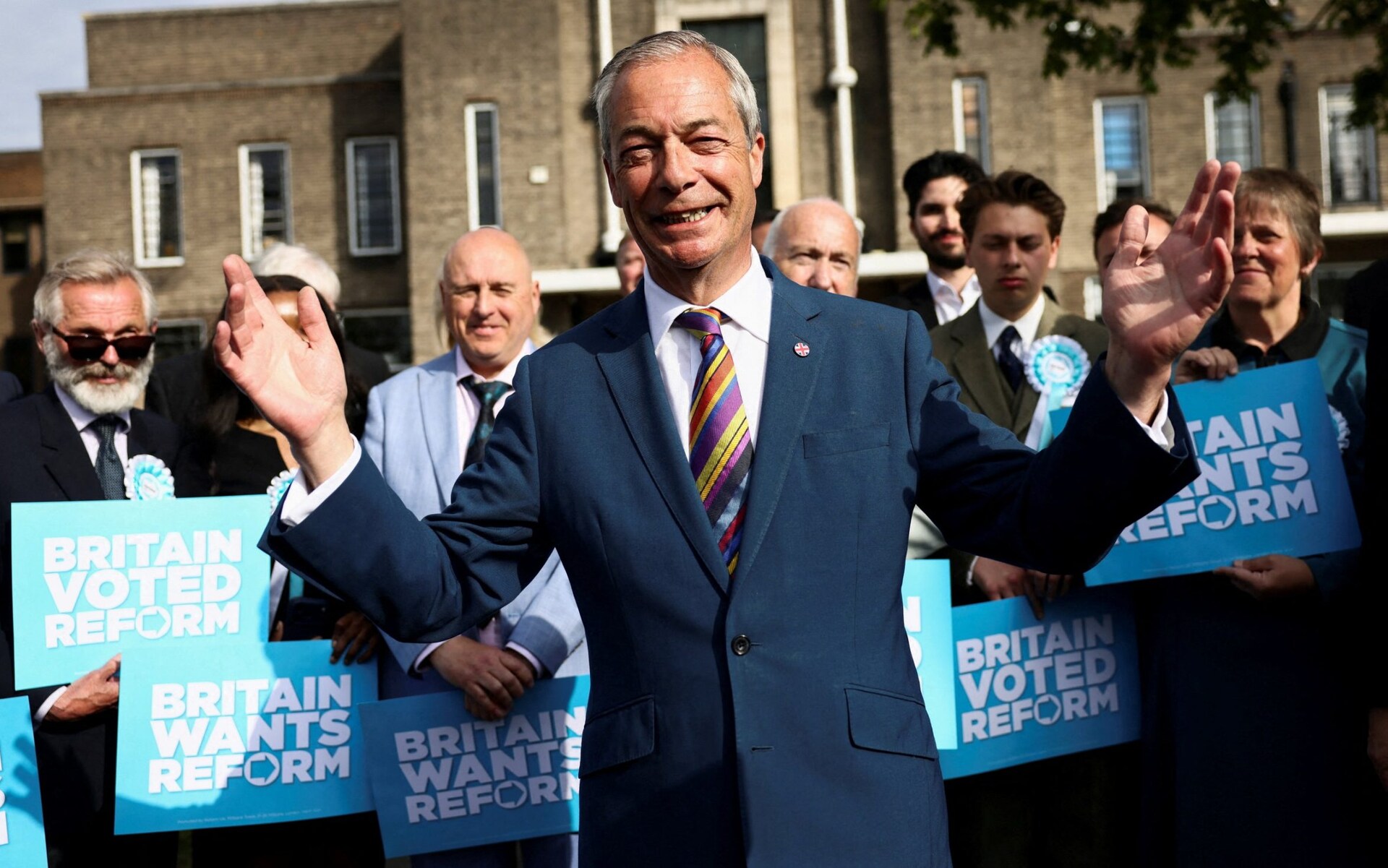
In their place, Reform UK councillors have claimed victory.
While not the worst loss rate for a prime minister in recent history – an unfortunate record Sir Keir Starmer claimed last May – it is a dire early warning.
Most of London’s boroughs are yet to begin counting, but the Green Party is expected to inflict further significant damage in the capital.
The borough of Halton, on Greater Manchester’s doorstep, was the first to declare, and the message could not have been more stark: Labour lost 15 councillors, while Reform gained 15.
Control was retained, but only just. The same cannot be said for Tameside.
Angela Rayner’s home council, in which her parliamentary seat of Ashton-under-Lyme lies, had been under Labour control since 1979.
At around 4am, it became the first brick in the Red Wall to crack. Going into these elections, Labour councillors occupied more than two-thirds of the seats. This share has now fallen to 44 per cent.
By the time all the ballots in Tameside had been counted, the party had lost 14 seats, with the Conservatives and other candidates losing a further four.
In a clean sweep of the seats on offer, Reform added 18 councillors to its ranks.
Across the country, Labour has already lost control of eight councils, from Hartlepool to Redditch – predominantly leading to situations where no single party has overall control.
The notable exception is Westminster – reclaimed by the Conservatives after it was won by Labour in dramatic fashion four years ago.
Recommended
'No one wants what Labour is selling': Your reaction to the local elections
But even that does not tell the full story of Labour’s dismal night. Even where the party managed to retain control, as was the case in Lincoln, where it had been in power for more than a decade, the margins were paper thin.
Across the councils the party has retained overnight, Labour’s majority is down to barely more than 10 percentage points.
There was also little doubt who the beneficiaries were. “We are way exceeding anything that I thought,” said Nigel Farage, the Reform leader.
Reform crossed the 200-councillor gain mark long before sunrise. That was about 10 times more than the Liberal Democrats at the time, and equalled almost exactly the combined total losses for Labour and the Conservatives.
This has not, however, necessarily translated into council control gains – largely a product of many English districts only offering up half or a third of councillors in each ballot.
Where all the seats were available, it was a different story. In Newcastle-under-Lyme, Reform won control from the Tories in a landslide.
The Newcastle-under-Lyme result harks back to the pain felt by the Conservatives last year, when the party lost swathes of county councils to Reform.
The Tories have once again ceded ground to Reform. In North East Lincolnshire, the Conservatives have gone from being the most numerous party to third place behind Labour and Reform, the latter jumping from one to 14 seats.
The leadership may well have seen this coming. In the Lincolnshire county council election last May, Reform all but wiped out the Tories, gaining 44 to their 40 losses. Adding insult to injury, the same day saw Andrea Jenkyns, a Reform defector and Johnson-era Cabinet member, storm the mayoral contest with 42 per cent of the vote.
Most of London’s boroughs are yet to begin counting, but the few that have already been declared reveal a strong performance by the Liberal Democrats.
Sir Ed Davey’s party gained control of Stockport early, helped by Labour losses, ending more than a decade of no overall control in the Red Wall metropolitan borough. Similarly, they gained Portsmouth shortly afterwards.
But it was in their west London heartlands that they delivered some of their strongest results.
Dampening the outlook for the Greens, in Richmond upon Thames the Liberal Democrats replaced Zack Polanski’s five councillors to take 100 per cent of the council.
This resounding vote of confidence was almost repeated in Sutton, where the party gained 23 councillors – off the back of 20 losses for the Conservatives – to control more than 90 per cent of the council.