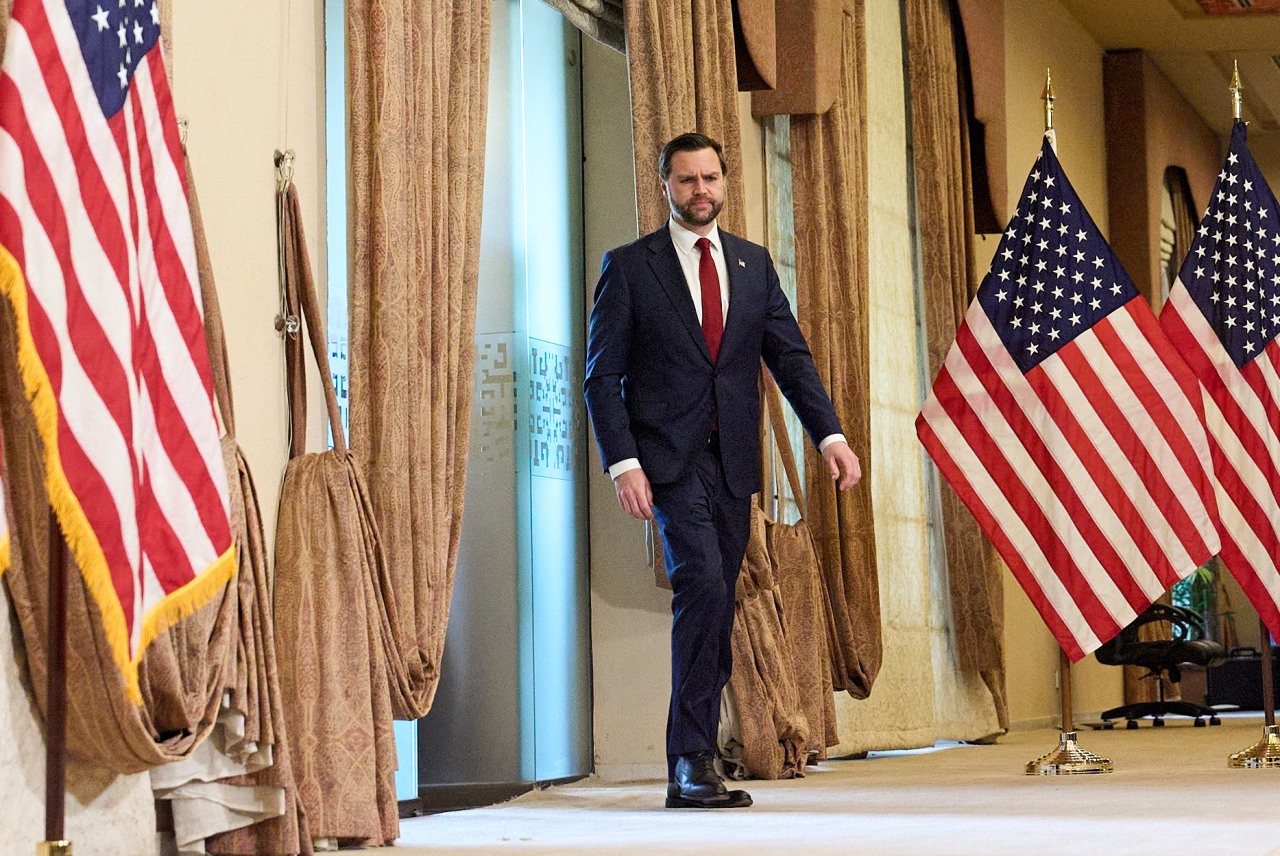
WASHINGTON—On a recent call with the heads of the biggest artificial-intelligence companies, Vice President JD Vance was alarmed.
New AI models such as Anthropic’s Mythos, which are capable of finding software vulnerabilities on their own, threatened to disrupt small-town banks, hospitals and water plants by starting cyberattacks that local governments weren’t equipped to handle, Vance said.
“We all need to work together on this,” Vance told chief executive officers including OpenAI’s Sam Altman, Dario Amodei of Anthropic, Elon Musk of SpaceX, Sundar Pichai of Alphabet’s Google and Satya Nadella of Microsoft, according to people familiar with the matter.
The April call, which followed a White House briefing that played a role in sparking Vance’s concern over the latest AI model capabilities, set in motion a chaotic administration response to Mythos that threatens to increase government oversight of AI and overhaul the administration’s tech agenda. The concern expressed by Vance, paired with other moves by the White House to get involved in the rollout of AI models, marks a shift from previous language about winning the AI race against China and removing barriers to deploying models.
The White House is weighing an executive order that could create a formal oversight process for the most-advanced models. Administration officials have asked Anthropic to hold off on expanding access to Mythos to more companies and organizations that manage critical digital infrastructure. The White House has tapped National Cyber Director Sean Cairncross to lead its response to the model, which could include other actions to address model safety or limit the ability of private companies to dictate how the government uses their tools.
The White House unease over Mythos has left some administration officials and congressional aides fearful that it represents a reversal on AI policy and an overreaction, people familiar with the dynamics said. Meanwhile, moves by Cairncross to control access to Mythos and the government’s response have frustrated administration officials who want more say in the process, those people said.
The new executive order under consideration has been cheered by proponents of AI safety as a potential rebuttal of the hands-off approach led by the White House adviser David Sacks, a venture capitalist. “People are treating this like some existential threat,” Sacks said recently on a “All-In” podcast, which he co-hosts. “I don’t think it is, as long as everyone does what they’re supposed to do” by using the AI tools to bolster digital security, he said.
Administration officials said they are balancing proper oversight and innovation. “The White House will continue to lead an America First effort that empowers America’s great innovators, not bureaucracy, to drive safe deployment of powerful technologies,” White House chief of staff Susie Wiles said Wednesday on X.
The White House remains committed to an industry-friendly AI strategy while aiming to address the risks posed by Mythos and other powerful models such as OpenAI’s GPT-5.5-Cyber, an administration official said. Any discussion about executive orders is speculation unless announced by President Trump, a White House official said.
OpenAI consulted the administration before recently previewing its most advanced cyber model, which has demonstrated capabilities similar to those shown by Mythos, a spokeswoman said. OpenAI is also limiting access.
Washington and Beijing are weighing the start of official discussions about the risks posed by AI ahead of next week’s summit in China, with Trump and leader Xi Jinping.
White House National Economic Council Director Kevin Hassett, speaking Wednesday on Fox Business, compared the expected oversight process for advanced AI models to the process that drugs go through before they are cleared by the Food and Drug Administration. The comments fueled criticism from allies of the administration that the White House was considering burdensome rules that would slow down AI companies.
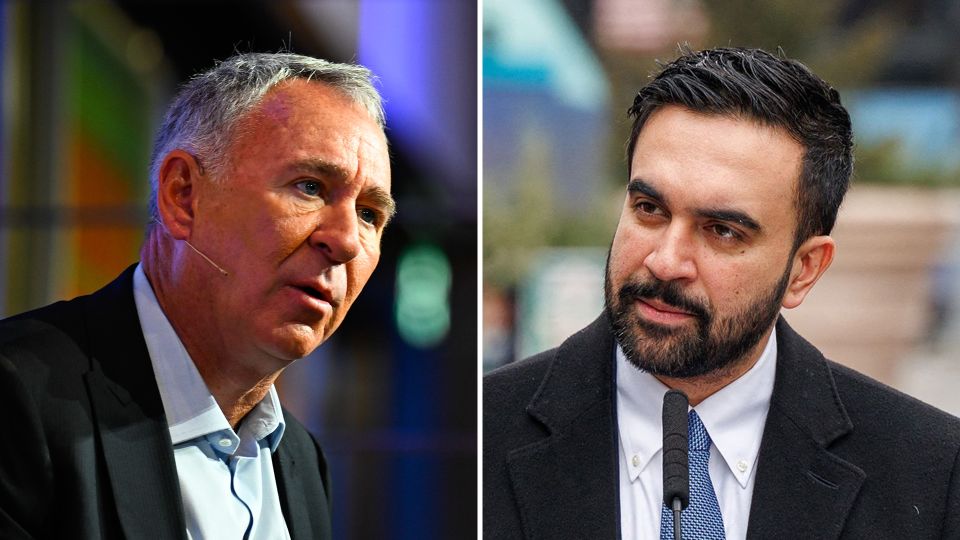
“Importing the FDA approach into AI would upend President Trump’s current pro-growth AI policy,” said Neil Chilson, head of AI policy at the Abundance Institute, a nonprofit that opposes excessive government intervention in the private sector.
The White House previously warned that overregulation could kill the burgeoning industry, a sentiment Vance echoed at a global AI summit in Paris in February 2025.
The vice president has taken a role as an intermediary between tech companies and the administration, and the April call was a rare moment for top administration officials to speak to so many tech CEOs at once.
Vance helped negotiate a deal to give investors friendly with the White House control of TikTok’s U.S. operations. When Sacks and other White House advisers were pushing Congress last year to pass a moratorium on state laws regulating AI, Vance served as a go-between for proponents of the ban and MAGA allies of the White House who were fighting it. Trump signed an executive order in December targeting state rules but has promised to protect children online and limit the damage of AI data centers.
Treasury Secretary Scott Bessent, as well as Secretary of State Marco Rubio, joined Vance and Cairncross on the April call. The Treasury secretary has warned top banking executives about the risks posed by Mythos, which is so good at finding software vulnerabilities that Anthropic isn’t releasing it publicly.
Groups arguing for more oversight have cheered the administration’s recent comments after opposing the White House’s moves to dismantle the Biden administration’s tech strategy, which included plans for reviewing models before release.
“This is a promising step in the right direction and a fundamental shift in how the federal government is thinking about its role,” said Brad Carson, president of Americans for Responsible Innovation, a bipartisan nonprofit that urges stronger guardrails. Carson, a former Democratic congressman, also co-leads a political group backing candidates advocating for tighter AI rules.
Anthropic has put money into the political group Carson co-leads and advocated for federal guardrails more than other AI companies, which have embraced the Trump administration’s messaging regarding a less-restrictive approach. Amodei met with Bessent and Wiles last month to discuss Mythos, conversations that have brought the two sides together to try to resolve a monthslong feud.
Write to Amrith Ramkumar at amrith.ramkumar@wsj.com, Brian Schwartz at brian.schwartz@wsj.com and Natalie Andrews at natalie.andrews@wsj.com