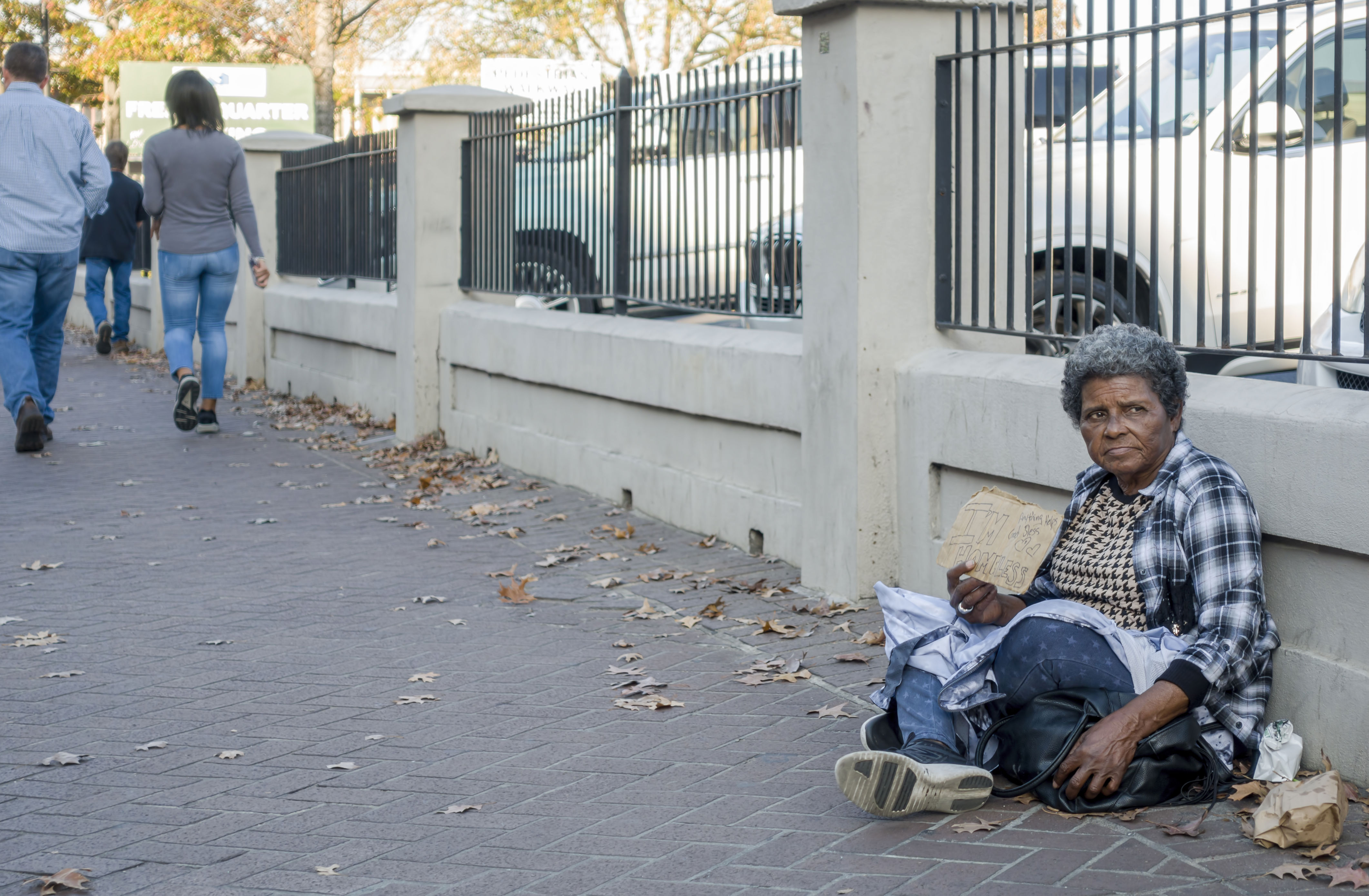
A controversial bill advancing through the Louisiana Legislature could subject unhoused people to fines, jail time or even unpaid labor if they are found sleeping outdoors.
The legislation has sparked sharp backlash from civil rights groups and homelessness advocates who warn it would effectively criminalize poverty.
Under House Bill 211, which was authored by Representative Debbie Villio, a Republican from Kenner, it would be a crime to sleep or camp in unauthorized public areas.
Why It Matters
Supporters frame the proposal as a way to connect people to treatment and services. However, critics argue it would force homeless Louisianans into an impossible choice between incarceration, paying for programs they cannot afford or being compelled to work without pay.
What to Know
The legislation bans “unauthorized camping” on public property, which is broadly defined to include the use of tents, shelters or bedding for overnight sleep in areas that are not designated campgrounds. Law enforcement officers would then be empowered to issue citations or make arrests for violations.
Villio framed the bill as a measure “about redirecting these individuals to services.”
During questioning reported by local station KATC, she added: “I do believe that addiction is a chronic medical condition, and we have to look at how we address it.”
Under the bill, a first offense could result in up to six months in jail, a fine of up to $500, or both. And subsequent convictions could carry penalties of up to two years in prison, fines of up to $1,000, and potential unpaid labor.
The bill allows defendants to avoid incarceration by entering a 12‑month “treatment program.” However, people enrolled in those programs could be required to pay for all or part of their costs. If they are unable to pay, the bill authorizes courts to mandate unpaid labor to offset the costs.
Advocacy groups say that the structure amounts to coerced labor for people whose only offense is lacking housing.
“Louisiana has advanced one of the cruelest anti-homeless bills in the country. It would force homeless people to choose between jail and involuntary treatment, make them pay for it, and if they can’t pay, force them to perform unpaid labor,” the National Homelessness Law Center posted on X.
How Homeless People Would Be Impacted
Critics argue that the bill would disproportionately affect people who are unsheltered because they lack access to affordable housing or mental health care, not because of criminal activity.
“HB 211 is a debt trap. It creates a population of people who are, by definition, unable to pay. And then converts that inability into a labor obligation,” Michael Ryan, a finance expert and founder of MichaelRyanMoney.com, told Newsweek. “The ‘streets to success’ framing is deliberate misdirection. No legitimate treatment program requires the patient to work off their bill under threat of incarceration.
Housing advocates testified that arrest records and jail time would make it even harder for people experiencing homelessness to secure employment or housing, increasing the likelihood of repeated arrests and long‑term instability.
“There are very valid concerns that this potential law could make the path to economic stability more difficult for the homeless individuals affected, not less,” Alex Beene, a financial literacy instructor for the University of Tennessee at Martin, told Newsweek. “An arrest record has historically made it more difficult for Americans to find a job and economically advance.”
How Enforcement Likely Would Work
If enacted, enforcement would largely hinge on local police and prosecutors, who would determine when a person’s presence qualifies as unauthorized camping. Civil rights groups warn that it could lead to inconsistent enforcement across parishes and cities, depending on local priorities and resources.
“If successfully passed into state law by the State of Louisiana, [it] could in effect potentially authorize and pave the way for the State of Louisiana, to have the power to turn back the clock to the days when involuntary servitude [slavery] was legally sanctioned and permitted in the United States,” William Hall, political science and business professor at Webster University, told Newsweek.
How Many Louisianans Are Homeless?
According to the Department of Housing and Urban Development’s 2024 Point‑in‑Time Count, an estimated 3,469 people experienced homelessness in Louisiana on a single night in 2024. That includes 1,558 people living in places not meant for human habitation, such as streets or encampments.
However, HUD data represents a snapshot rather than a full annual tally, and the true number of people experiencing homelessness over the course of a year is likely higher.
How Likely Is the Bill to Pass?
House Bill 211 has already passed the Louisiana House and advanced out of committee, clearing a major legislative hurdle. It now heads to the Senate Judiciary Committee for further consideration.
While Republican lawmakers hold enough seats to pass the measure, public opposition from housing advocates, local officials and civil rights groups is intensifying.
“It criminalizes poverty by converting debt into labor obligation,” Ryan said. “Once you’re in the program and can’t pay, you’re not a person in treatment anymore. You’re a labor asset.”
The bill could still be amended, stalled in committee or challenged in court if it becomes law.
“It will be extremely important for a much more complete analysis and review and much more thorough and closer scrutiny to take place, concerning both the potential impact and legality as well as all of the potential implications for the future,” Hall said. “I am also very hopeful that this will in fact occur, for in my view, the stakes are far too high for it not to.”
What Happens Next
Other states and cities are considering enacting outdoor camping bans or stricter penalties following recent court rulings that expanded local authority to regulate public sleeping.
Louisiana has one of the most aggressive proposals currently under consideration. If Louisiana’s bill becomes law, it could encourage similar proposals elsewhere, particularly in states already pursuing tougher crackdowns on outdoor encampments.
Related Articles