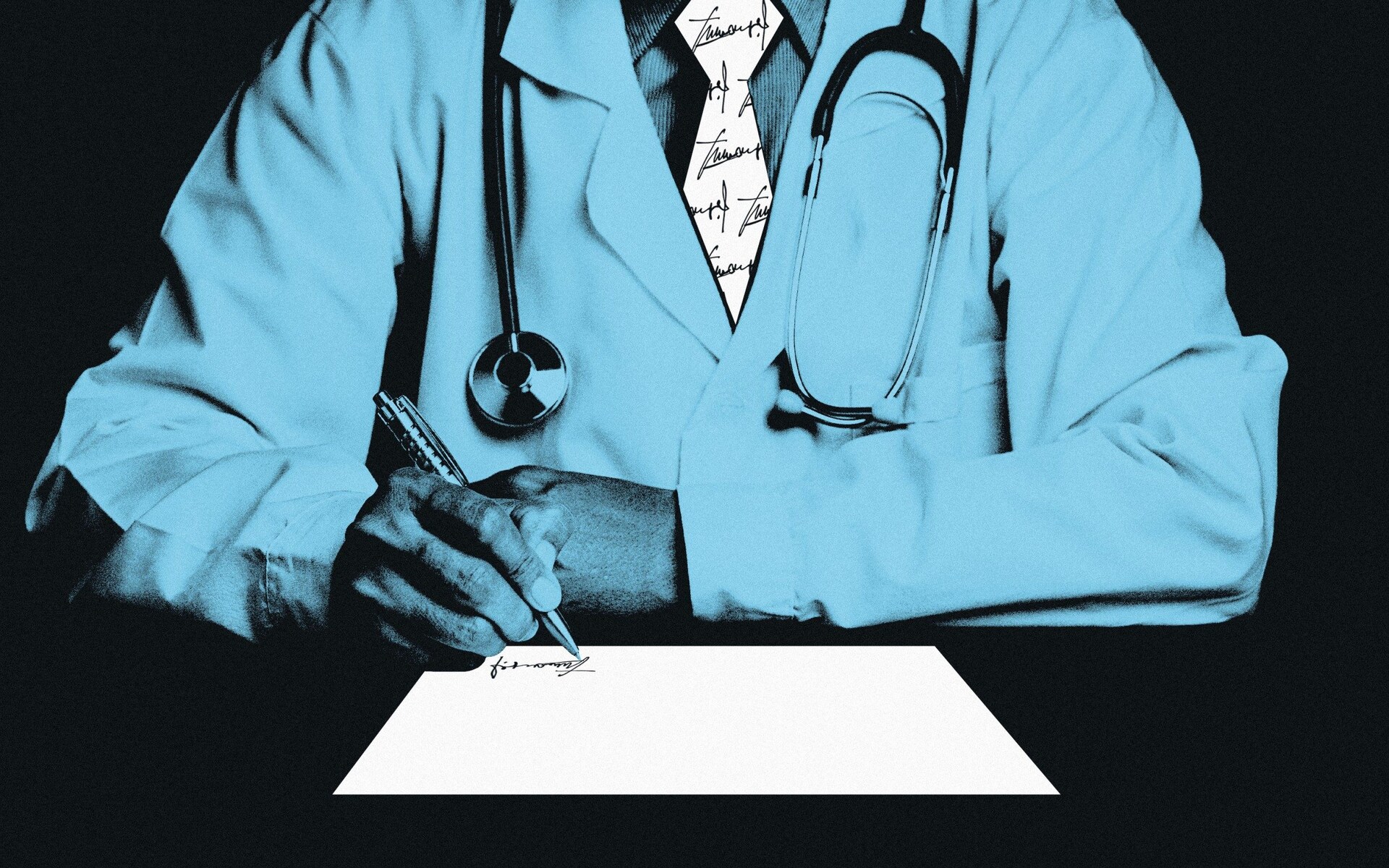
At my London GP surgery, I often face considerable pressure from patients to issue “fit notes” – which sign employees off work after they’ve already been absent for seven days – in situations where they are not really appropriate.
In such cases, there might be a mismatch between symptoms and the time off they’re requesting (like mild depression needing a three-month absence), a vague or inconsistent medical history, or a pattern of repeated requests for medically approved absence without engagement with treatment – all of which can raise suspicions.
When they’re pushy or persistent, it’s easier to issue a note so that I can see the next patient and move on.
Clearly, I’m not alone. According to a recent BBC survey of 752 GPs, more than 70 per cent admitted to never having turned down a fit note request. No wonder, then, that there were almost 850,000 more fit notes issued over the past year, compared with six years ago.
I’m not surprised that the figures have shot up so much. Our population is increasing, and there are more and more people suffering from depression, chronic pain and other issues because there are not enough services or resources in the NHS to help everybody in the right way.
But the other reason for this surge is that it’s easy for patients to request sick notes. This can be done on a surgery’s website, and often doesn’t require the patient to be seen by a doctor, as the notes don’t have to be issued in person.
Even when there is pushback from GPs, it’s often not enough. Indeed, some doctors polled by the BBC reported patients becoming aggressive when they were challenged over their need for a note, or refusing to leave without one.
‘No point’ in challenging patients
In my four years as a GP, I’ve seen first-hand how, if patients don’t get a note, it prolongs what should be a 10-minute appointment to 20 minutes or even 30 minutes. That’s why it can feel like there’s no point challenging them – you get so behind with everything else, and create a backlog of delays all day.
The truth is, there’s nothing to stop a patient registering with another GP, or coming back and trying to see another GP at the same practice, so it doesn’t feel like refusing them makes much of a difference.
The BBC’s analysis of NHS data showed that more than 72 per cent of fit notes issued do not list a reason for the patient being signed off work for an extended period. That’s a grim indication of how broken the system truly is. Of those that did list a specific condition or complaint, more than 956,000 of the notes issued last year cited mental health and behavioural disorders – far exceeding any other ailment.
That tallies with my own experience, as these are by far the most common issues my patients say they are suffering from when they request that I sign them off work for weeks at a time.
Unfortunately, access to specialist services for these conditions is extremely limited. Waiting times for mental health services of all kinds are long, and for patients with mild to moderate depression, often the only option available is referral to therapy, which can involve significant delays.
As a result, while we may recognise that a patient is struggling, the practical support required to help them recover and return to work is lacking. We can prescribe antidepressants, offer pain management advice and supportive consultations, but there are few other interventions we can provide.
That’s how you end up with so many patients being signed off for sizeable periods, with around 2.8 million people – 7 per cent of the working age population – considered “long-term sick” and economically inactive.
GPs should not deal with sick notes
In reality, we only see a patient for 10 minutes during a consultation, with follow-up reviews often spaced months apart. We often can’t reliably make a judgment within that timeframe about what they can or can’t do, and it is therefore difficult to accurately assess or predict their ability to work.
In some cases, however, I know I’m signing off people who could continue in some capacity – even if not in their current jobs. Maybe they can’t continue their job in a supermarket, for instance, but would be able to do something else. But ultimately, it’s not down to GPs to find them suitable alternative employment.
There can also be complex social elements involved in patients requesting a fit note, like their housing, finances, or domestic violence. Again, that’s not something GPs can get an accurate picture of during a routine appointment, nor fix with the limited services we can connect people with.
These are among the reasons it becomes very difficult to refuse patients requesting a note – it’s why most GPs just opt to issue them instead. I think it should be for the Department for Work and Pensions to make these assessments.
In the meantime, leaving fit notes to GPs just clogs up the healthcare system for everyone else. I’ve had multiple patients who make an appointment just for a sick note – even if they’ve already been off work for a year – which denies access to the many others who need to be seen.
It’s not right. There simply has to be a better system for GPs, and for patients.
As told to Charlotte Lytton.
Recommended
'People say it's easy to get them': Welcome to the heart of sick note Britain