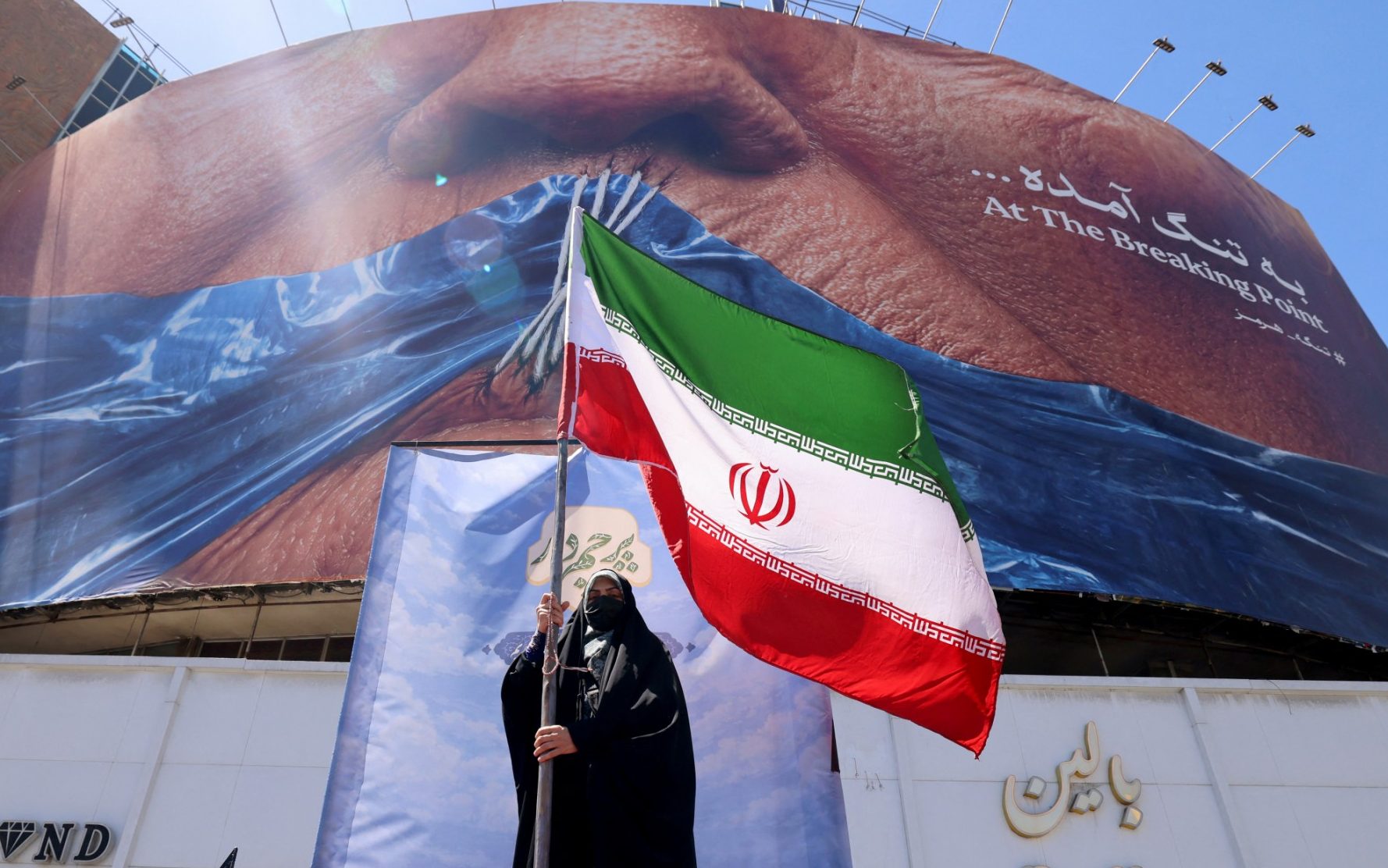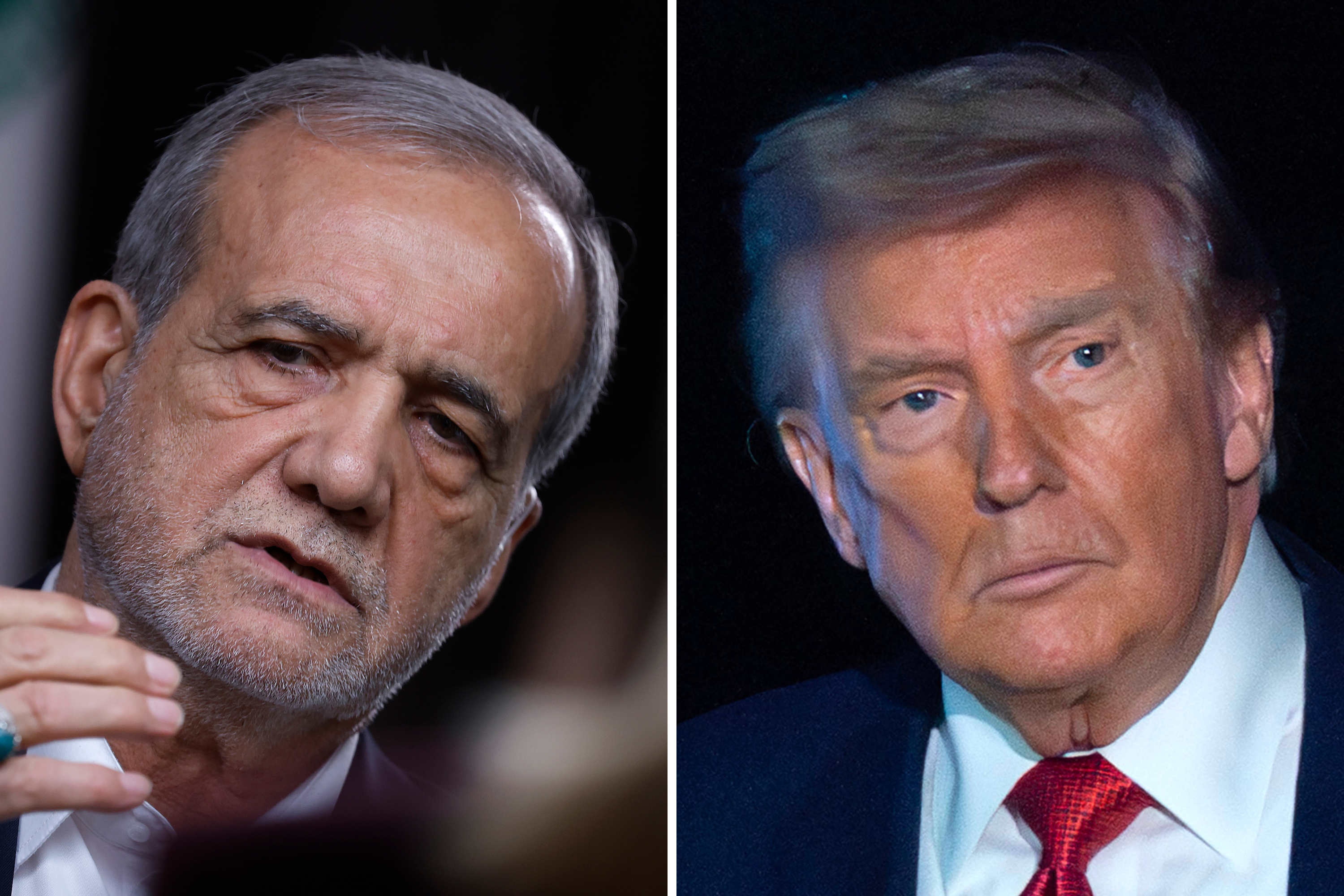
Iranian authorities have delivered a defiant answer to President Donald Trump’s dismissal of their latest peace plan proposals as ‘totally unacceptable,’ saying that the U.S. president has lost all credibility in the Middle East.
Ali Akbar Velayati, adviser to the Supreme Leader, also told the state news agency IRIB on Monday that the U.S. will “soon be forced with withdraw” from the region.
Newsweek has contacted the White House for comment on Iran’s response to Trump’s statement.
Sunday had marked a key exchange between Iranian and American leaders as Tehran provided an official response to Washington’s peace proposal. Delivered via Pakistani mediators, Tehran’s reply had come after nearly a month of negotiations between the U.S. and Iran under a temporary ceasefire aimed at securing a long-term peace agreement.
On a Telegram message board, Iranian state media confirmed the Iranian response included an immediate end to the war, lifting of all sanctions, a guarantee of no further conflicts, and management of the Strait of Hormuz, all points previously raised in discussions with American representatives. The White House’s latest proposal addressed a deal to end the war, reopen the strait and roll back Iran’s nuclear program.
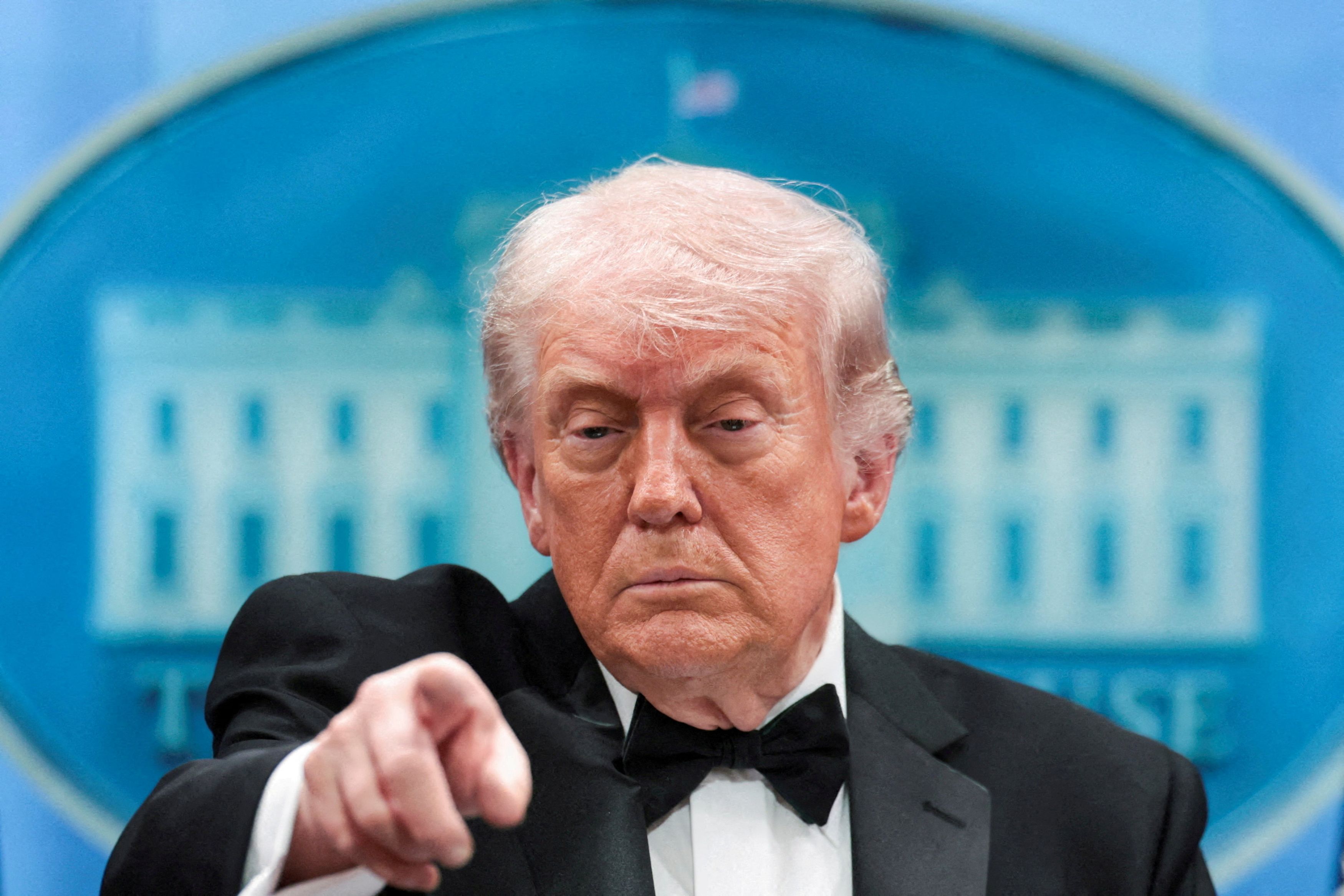
Trump made clear in a post on Truth Social, however, he was not pleased with Tehran’s conditions for peace, writing: “I have just read the response from Iran’s so-called ‘Representatives.’ I don’t like it—TOTALLY UNACCEPTABLE!”
Iran Responds
Velyati said on Monday in response, according to a translation: “Trump no longer has any credibility and influence in the entire region, and the prediction is that the United States will definitely have no place in this region in the coming months.”
Iran’s foreign ministry spokesman Esmaeil Baghaei said Tehran’s proposal to the U.S. had been “reasonable and generous,” adding that “we are not bullies; we stand against bullies.”
Baghaei said that Iran’s demands included ending the war, lifting the U.S. blockade of Iranian ports, the safe passage through the Strait of Hormuz, as well as releasing Iran’s frozen assets. “Our demand is legitimate,” he said.
Baghaei went on to say that Tehran had not yet “settled the score” with those who had acted against the Iranian people, adding “if an opportunity is given to our armed forces, it will certainly be used in the best way.”
The comments followed an interview that Israeli Prime Minister Benjamin Netanyahu gave CBS’s 60 Minutes aired Sunday in which he said that the Iranian leadership could be toppled. “Is it possible? Yes. Is it guaranteed? No,” Netanyahu said.
The Israeli premier also said he wanted to “draw down to zero” American financial support for Israel’s military which is about $3.8 billion a year. “It’s time we weaned ourselves from the remaining military support.”
Susannah Streeter, chief investment strategist, Wealth Club told Newsweek Monday that the squabbling between the U.S. and Iran over the baseline for a resolution to the war is now becoming the new normal. “Investors are largely shrugging off the latest skirmishes and accusations from both sides that their proposals fall far short of expectations,” she said.
As hopes have been dashed again for some kind of diplomatic breakthrough, oil prices have risen again. Brent crude broke through the $105 a barrel mark, as the prospects of a longer energy crunch increase, she said.
“While there’s some expectation that a major reignition of the war is less likely, given the U.S. claims a ceasefire is still in place, severe supply constraints of commodities are set to continue with the Strait of Hormuz impassable,” she said.
Iranian President Masoud Pezeshkian warned Sunday that engaging in peace talks does not mean the nation intends to “surrender or retreat,” just as his team delivered its response to the ceasefire proposal.
“We will never bow our heads before the enemy, and if talk of dialogue or negotiation arises, it does not mean surrender or retreat,” he wrote on X, in a post translated from Farsi. “Rather, the goal is to uphold the rights of the Iranian nation and to defend national interests with resolute strength.”
Newsweek reached out to the White House by email on Sunday for comment. The U.S. State Department referred Newsweek to the White House for comment.
Trump Warns of Further Action if No Deal Reached
U.S. ambassador to the United Nations Mike Waltz said on Sunday while appearing on ABC News, This Week that Trump is giving diplomacy “every chance we possibly can before going back to hostilities.”
During an interview with The National Desk that aired on Sunday, Trump clarified just what a return to hostilities would look like, telling Sharyl Attkisson the U.S. has “certain targets” in mind to hit should the fighting resume.
“I said they are defeated, but that doesn’t mean they’re done,” he explained, referring to Iran. “We could go in for two more weeks and do every single target.”
“We have certain targets that we wanted and we’ve done probably 70 percent of them, but we have other targets that could conceivably hit, but even if we didn’t do that, you know, that would just be final touches, but even if we didn’t do that, and it would take them many years to rebuild,” Trump said.
He also warned the U.S. has Iran’s enriched uranium under surveillance through Space Force and “if anybody got near the place, we will know about it, and we’ll blow them up.”
The ceasefire was tested Sunday when a drone ignited a small fire on a ship near Qatar, while the United Arab Emirates (UAE) and Kuwait reported drones in their airspace, for which they have blamed Iran. No casualties have been reported, nor has anyone claimed responsibility.
Timeline of US and Iran Negotiations
A two-week ceasefire was announced on April 7, opening a window for negotiations, although Trump had initially conditioned the ceasefire on a “complete, immediate, and safe opening” of the Strait of Hormuz. Iran accepted the ceasefire and agreed to start talks over the following week.
Iran’s Supreme National Security Council described its acceptance as a conditional pause that “does not signify the termination of the war,” warning it would respond forcefully to perceived violations.
Despite a turbulent start to the ceasefire, during which both sides accused the other of violations, the talks ultimately commenced on April 10 in Islamabad, with Vice President JD Vance, Special Envoy Steve Witkoff, and Jared Kushner representing the U.S.
Iran reportedly tried to tie a long-term peace deal to the release of blocked or frozen assets and ensuring that Lebanon was also covered by any agreement due to Israel‘s push into the neighboring country during the conflict with Iran.
Those initial talks ended after a 21-hours and resulted in no agreement.
Trump continued to suggest a full deal was not far from agreement, but over the following weeks, no such deal materialized as both sides tried and failed to agree to further discussions.
Iranian Foreign Minister Abbas Araghchi visited and left Pakistan around April 24 without meeting with any U.S. officials after Trump canceled the U.S. delegation’s visit on the belief nothing productive would result from the meeting based on the positions of each side.
The talks appeared to have reached an impasse, with little to no progress over the following two weeks, until the U.S. and Iran each exchanged proposals this past week.
Update: 05/12/26, 6.15 a.m: This article has been updated to include Iran’s response to Trump’s dismissal of its peace conditions.
This article includes reporting by The Associated Press.
Related Articles