Updated May 10, 2026 08:43AM
Early in the morning on May 10, a Nepali high-altitude worker named Bijaya Ghimire died while climbing through the Khumbu Icefall at the foot of Mount Everest. Officials do not know of a cause of death, but believe it was the result of a medical issue and not a fall or collapsing ice.
Ghimire, 35, was working for the Nepali outfitter TAG Nepal, and was on an acclimatization rotation to Camp I at 19,900 feet when the incident occurred.
“We do not know the exact cause of death, but it is likely related to altitude sickness,” Inspector Tul Bahadur Salami of the Lukla police, told Everest Chronicle.
Ghimire’s death marks the second fatality of the 2026 Everest climbing season. On May 3, a Nepali guide named Lakpa Dendi Sherpa, 52, died while hiking from the village of Gorak Shep to Mount Everest Base Camp.
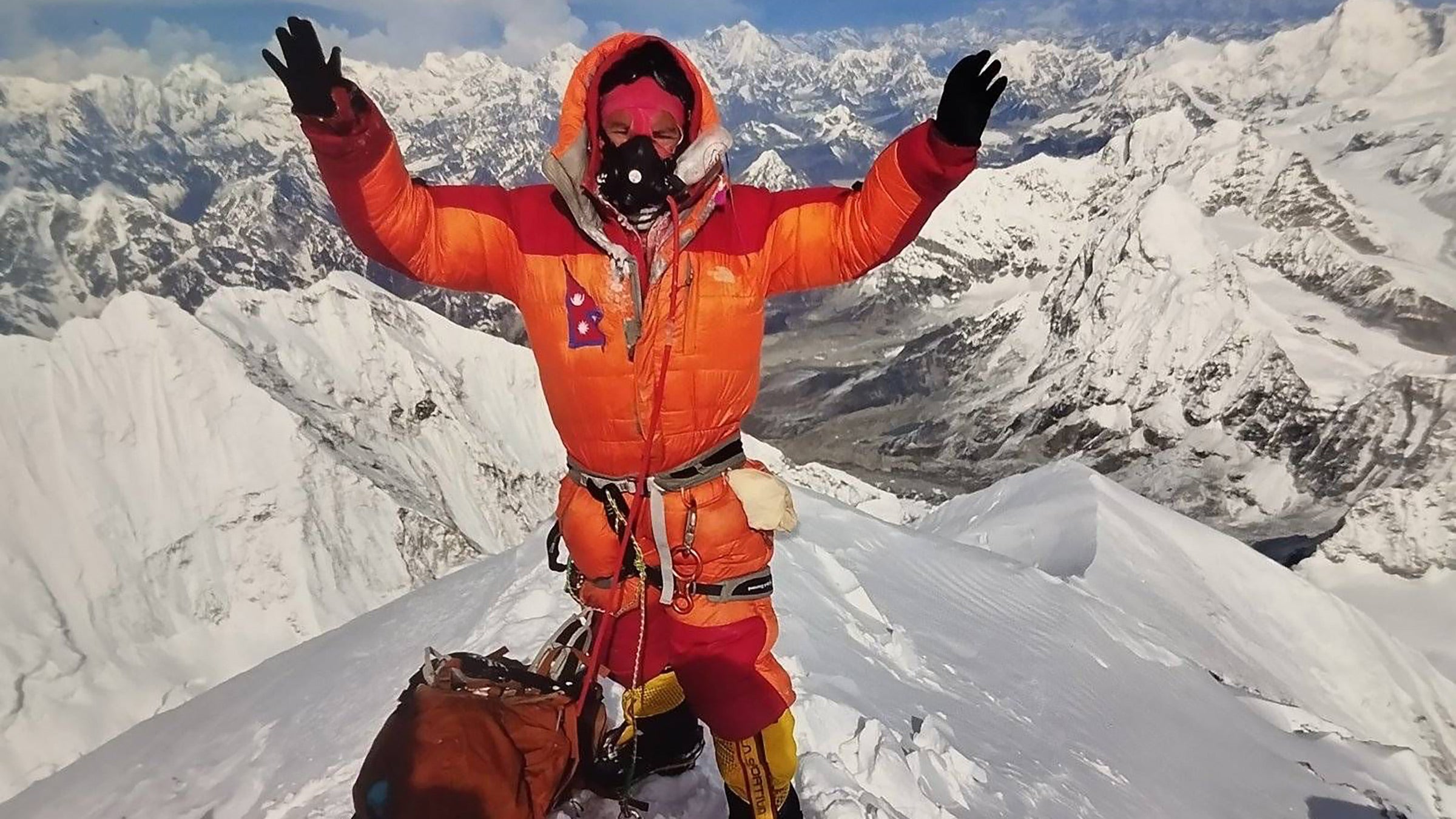
According to local reports, Ghimire was believed to be the first person from Nepal’s marginalized Dalit ethnic group to summit Mount Everest when he reached the peak’s apex in 2016. The Dalit community is considered the lowest caste in the societal hierarchy, which is still very prevalent in Nepal. Members of this community continue to face significant social and structural discrimination, despite the caste system being officially abolished in Nepal in 1963.
In a 2019 YouTube interview, Ghimire stated, “Nepal is still a caste-dominated society. By being the first Dalit to summit Mount Everest, I showed society that we are humans, too.”
Ghimire was from Nepal’s lower Solukhumbu district, due south of the Mount Everest region. He worked his way through the hierarchy of the climbing industry, first working as a trekking porter and then a kitchen assistant. Eventually he became an elite high-altitude worker and guide. In addition to his 2016 summit of Mount Everest, Ghimire reached the world’s highest point two more times.
ADVERTISEMENT
“As I worked on the mountain, I saw many different types of people climbing Everest,” Ghimire said. “I thought about how for over sixty five years, people were continually reaching the summit. They were setting records. But not a single person from the Dalit community had reached the top. So I made up my mind to be the first.”
Rope Fixing Teams Reach Camp IV
Ghimire’s death occurred shortly after high-altitude rope-fixing teams from the Expedition Operators Association of Nepal, the industry group comprised of Everest guiding outfitters, descended to Base Camp at 17,500 feet to rest and recover before making their final push toward the summit. On May 10, EOAN members plan to send several groups of high-altitude workers to the South Col at 26,000 feet. These workers will carry ropes, oxygen and other supplies in support of the fixing teams over the next two days.
Guiding officials told Outside that if the current window of calm weather continues, the season’s first summits could occur on May 13 or 14. This timeline would place the 2026 Everest season just a few days behind the 2025 schedule.
That timeline is particularly impressive given the delayed start to the season caused by dangerous conditions in the Khumbu Icefall.
ADVERTISEMENT
With a record 492 permits issued for Mount Everest this year, pressure is mounting on the rope-fixing teams to open the route to the summit as quickly and safely as possible.
Outside sends its condolences to Bijaya Ghimire’s family, colleagues and friends.