Tricks to Plate Weekday Dinners Like a Top Chef
After a long day, the last thing most people want to do is fuss over how dinner looks on the plate. But here’s the thing about presentation — it doesn’t require extra time or fancy ingredients.
Professional chefs know that a few simple techniques can transform even the most basic weeknight meal into something that looks intentional and appetizing. The difference between a rushed dinner and a restaurant-worthy plate often comes down to small choices that take zero additional effort once you know what they are.
Start with a Clean, Warm Plate
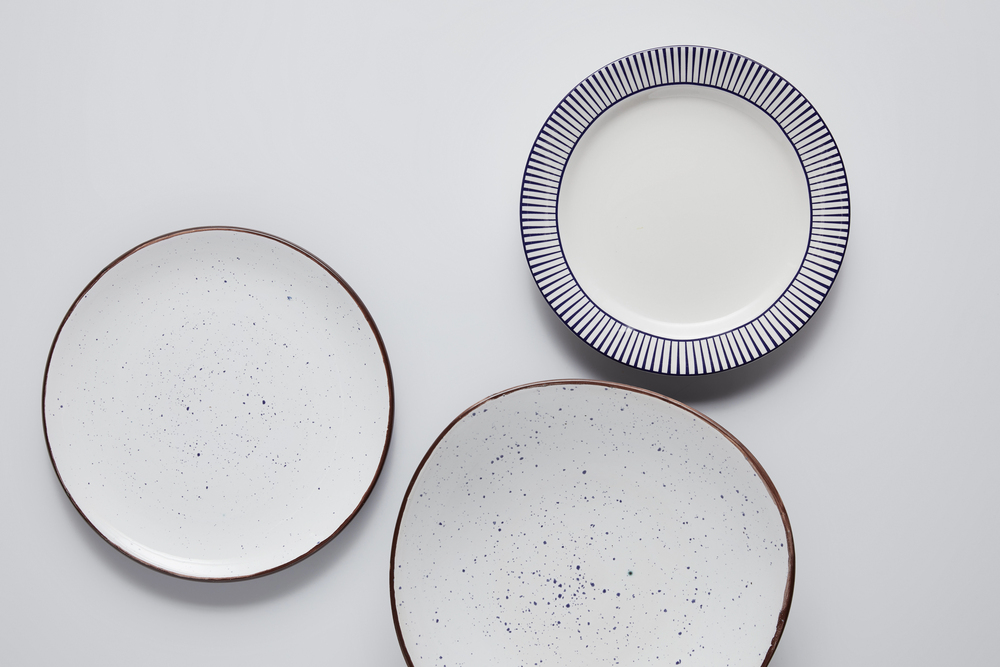
Professional kitchens warm plates before plating. Every single time.
Pop yours in a 200°F oven for two minutes while you finish cooking, or rinse them with hot water and dry quickly. Warm plates keep food at serving temperature longer and prevent sauces from congealing the moment they hit the surface.
Use the Clock Method for Placement
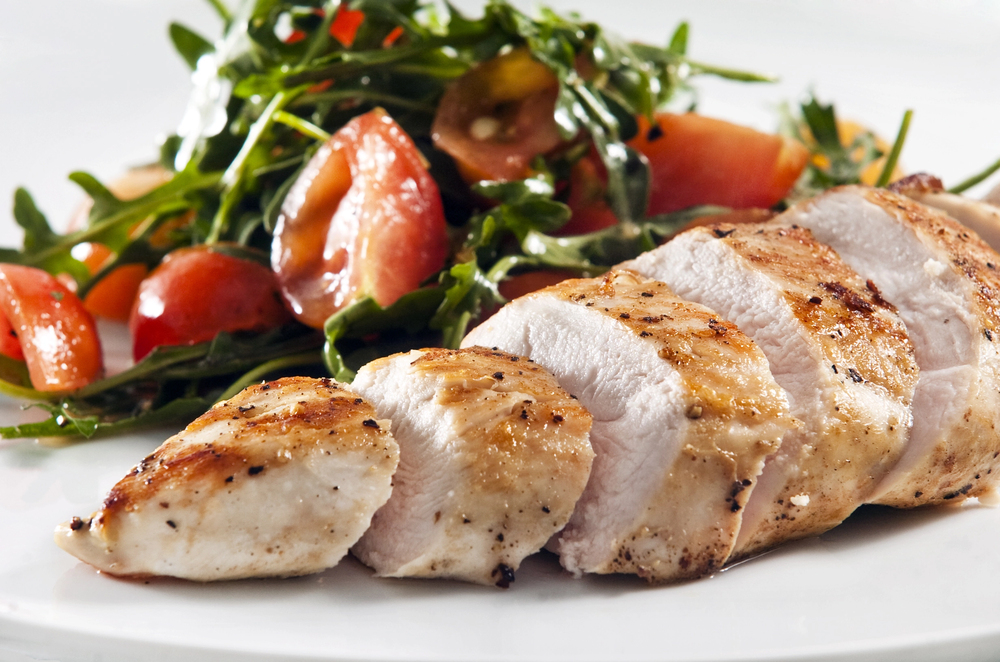
Think of your plate as a clock face, and this becomes automatic — protein goes at six o’clock (closest to the diner), starch at two o’clock, vegetables at ten o’clock. So when you’re plating that Tuesday night chicken breast with rice and broccoli, the placement happens without thinking: chicken at the bottom, rice upper right, vegetables upper left.
It sounds rigid until you realize that every professional kitchen uses this exact system, and there’s a reason restaurant plates never look scattered or random.
Build Height, Don't Spread Wide
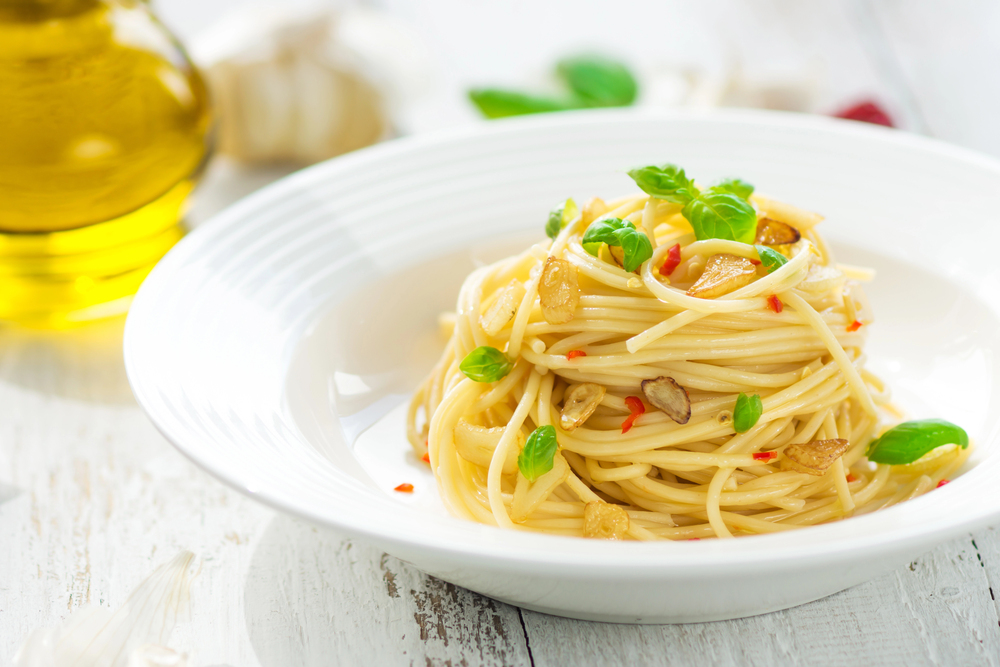
There’s something quietly confident about food that stands up on the plate rather than sprawling across it like it’s trying to claim territory. Mound that rice instead of spreading it thin.
Stack those roasted vegetables instead of scattering them around the edges. Lean the protein against the starch rather than laying it flat.
The plate suddenly has architecture instead of just having stuff on it. Even a simple chicken thigh propped against a pile of mashed potatoes carries more visual weight than the same components spread across the surface, and the difference is purely in how you arrange what was already going to be there anyway.
Create Color Contrast
Beige food on a white plate disappears. Monochrome meals look unfinished, no matter how good they taste.
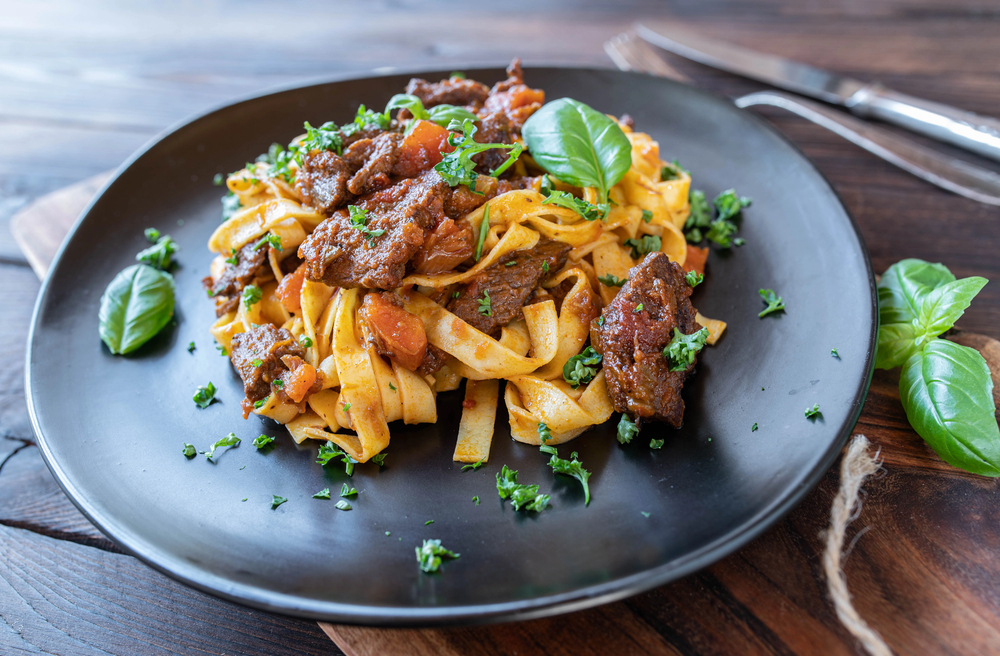
The fix is simpler than it sounds — add one bright element to every plate. A sprinkle of chopped parsley on pasta.
A handful of cherry tomatoes alongside grilled fish. Roasted carrots next to that brown stew.
The goal isn’t to reinvent your cooking but to ensure every plate has at least three distinct colors.
Master the Art of Negative Space
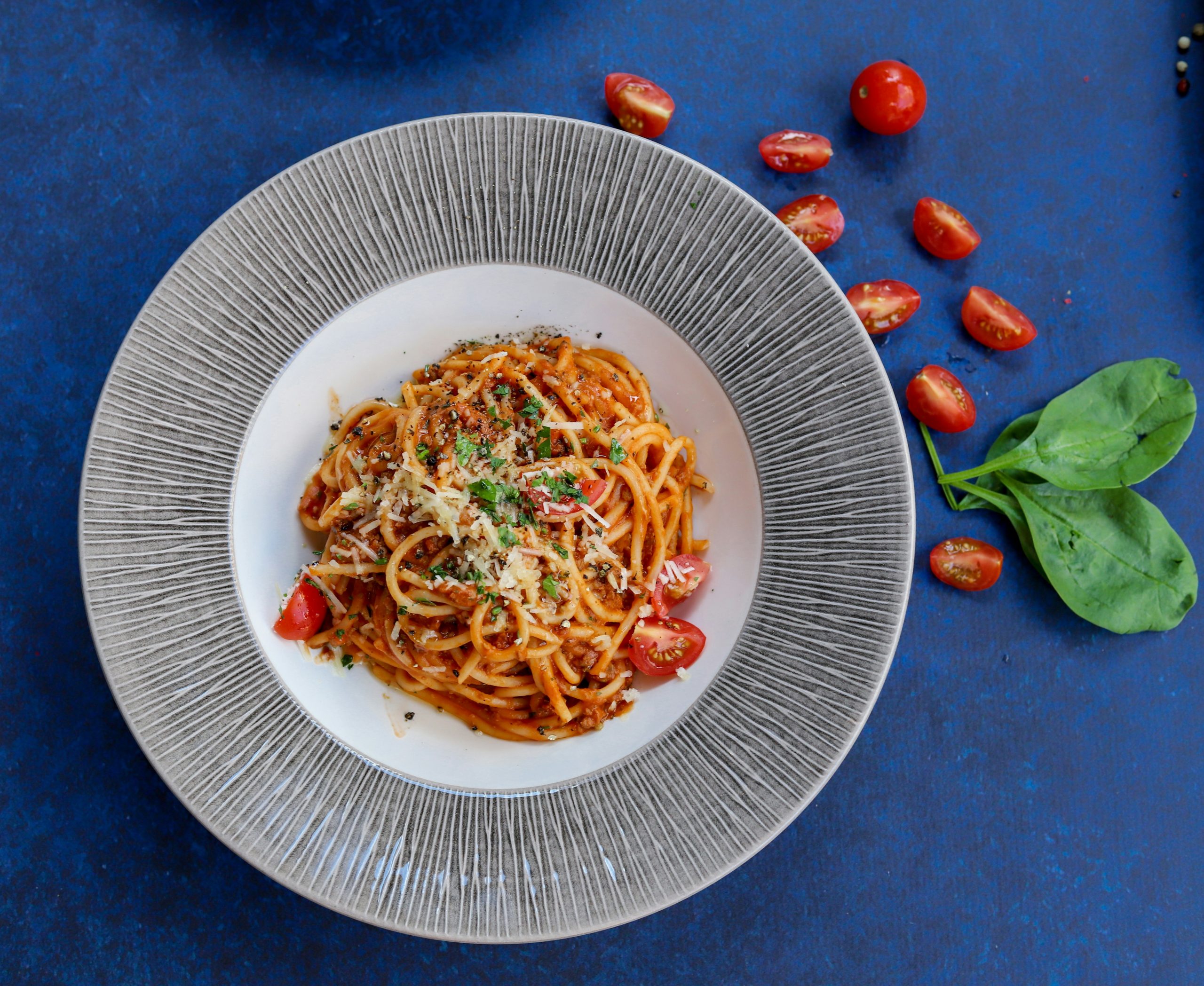
And here’s where most home cooks go wrong: they fill every available inch of the plate, as if empty space is wasted space, when the opposite is true — negative space gives the eye somewhere to rest and makes the food look intentional rather than accidental. But leaving space isn’t just about aesthetics (though it helps): it’s about understanding that a half-empty plate suggests abundance rather than scarcity, the same way an uncluttered room feels more expensive than one packed with furniture.
So you plate two-thirds of the surface and stop there, even when there’s more food available. Even so, the instinct is to fill every corner.
Sauce Placement Matters
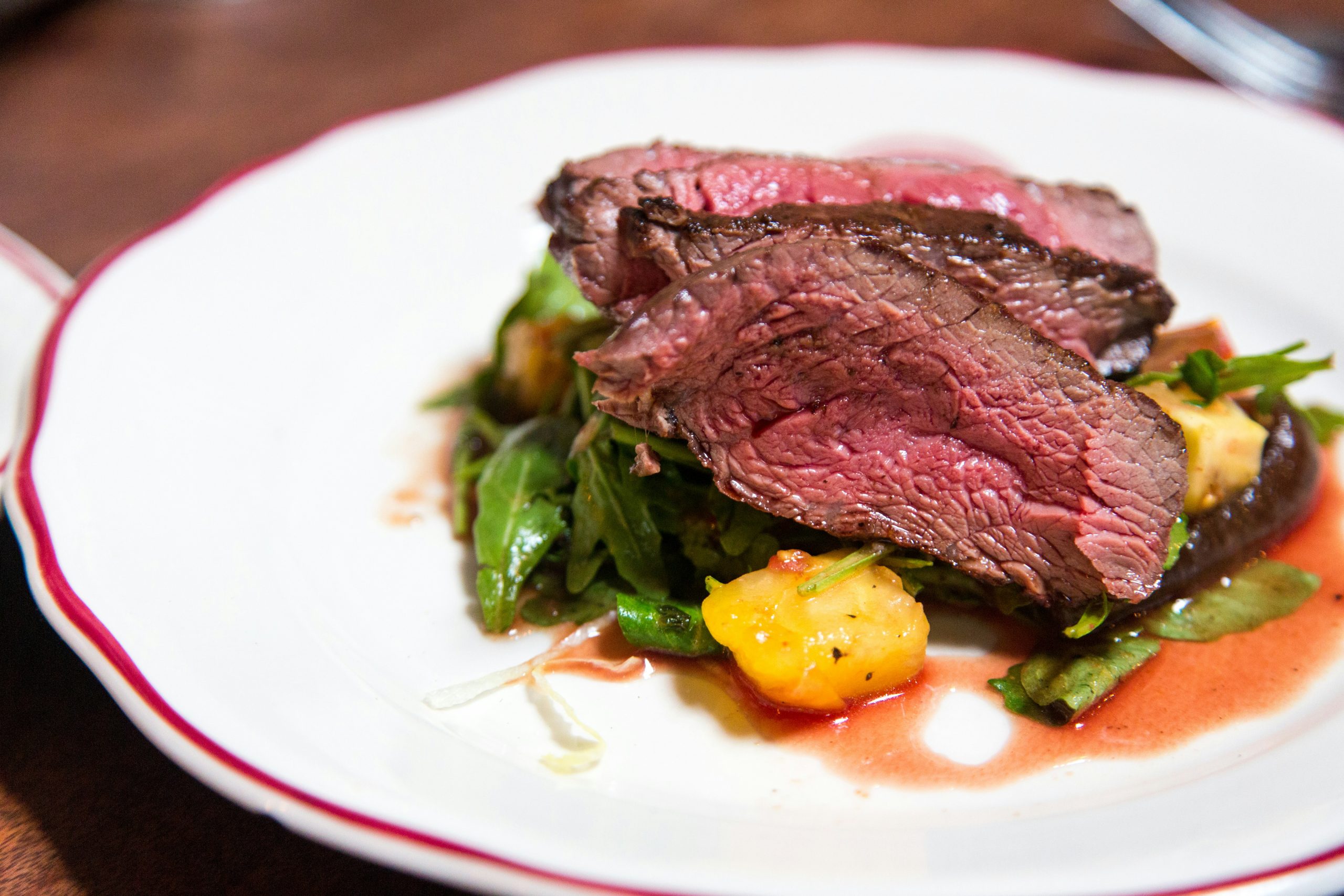
Sauce goes under or around food, never on top unless it’s meant to be a glaze. Spoon it onto the plate first, then place your protein or vegetables on top.
This prevents the food from looking drowning and gives you control over how much sauce each bite gets. A ring of sauce around the perimeter or a swoosh across one side of the plate instantly makes weeknight dinner look deliberate.
Odd Numbers Look More Natural
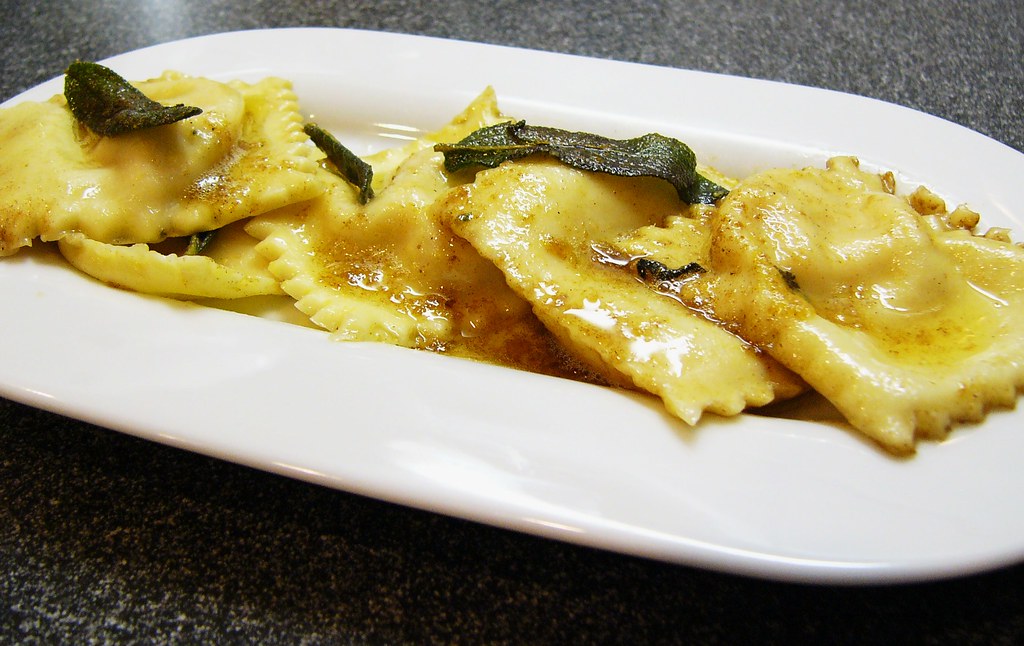
Plating in odd numbers — three scallops, five ravioli, seven asparagus spears — creates visual balance that feels effortless. Even numbers make the brain work harder to process what it’s seeing.
This is why restaurant portions often seem random but always look right. Three pieces of anything arranged in a triangle will look more composed than two pieces side by side or four in a square.
Wipe the Rim Clean
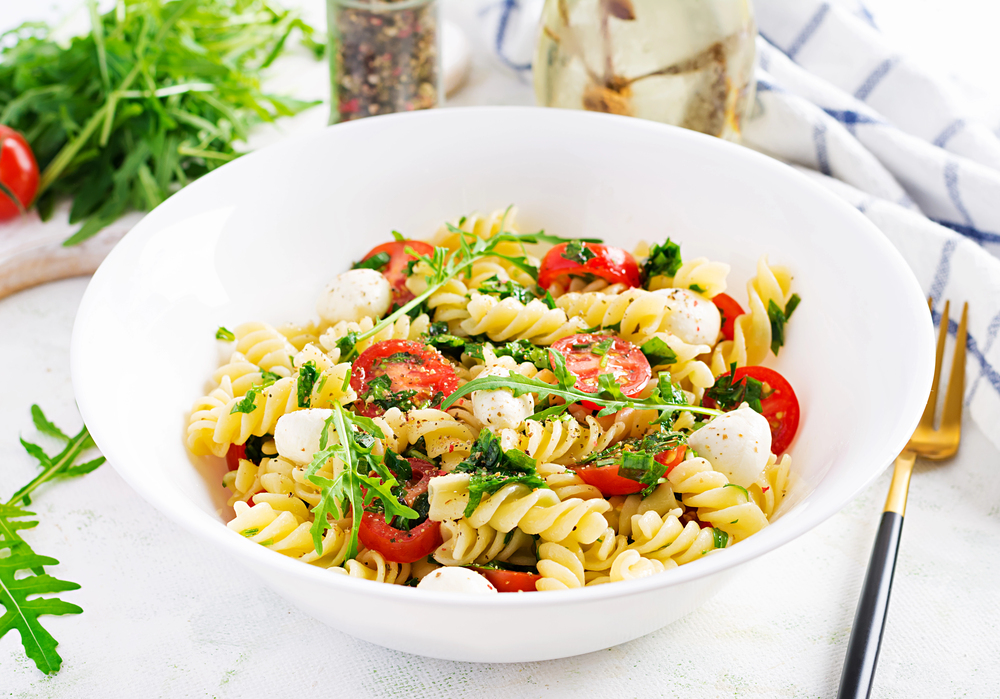
A clean plate rim is the difference between home cooking and restaurant presentation. Keep a damp towel nearby while plating and wipe around the edges before serving.
Smudges and drops around the rim make even perfectly plated food look sloppy, while a clean border frames the meal and makes everything inside look intentional.
Use Your Largest Dinner Plates
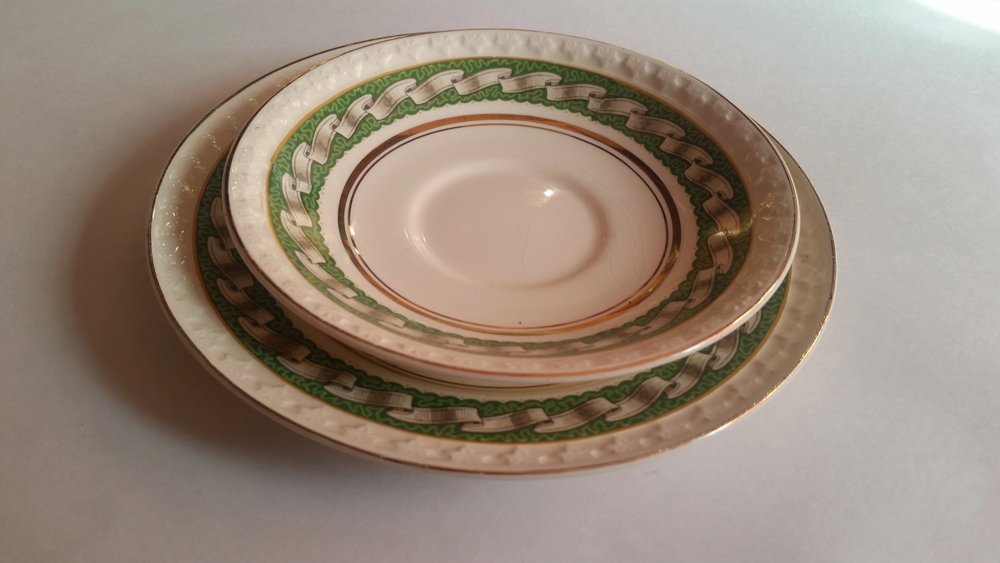
Small plates make portions look cramped and messy. Large plates give food room to breathe and make portions look more generous, even when serving the same amount.
The white space around the food becomes part of the presentation, creating a frame that draws attention to what you’ve cooked rather than how much of it there is.
Garnish with Ingredients, Not Decorations
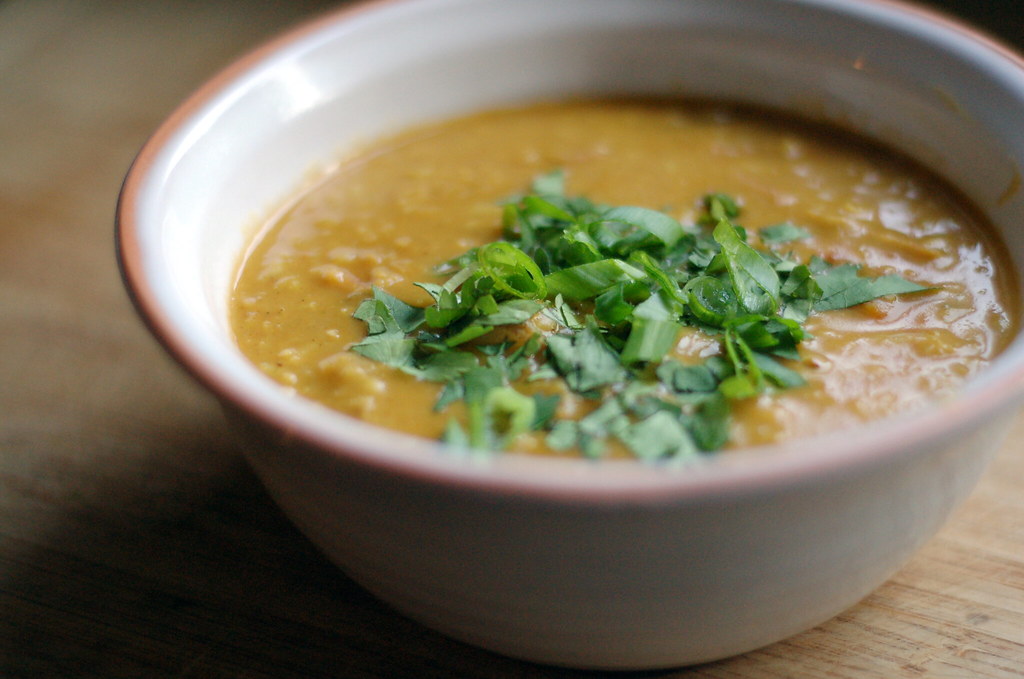
The best garnishes are ingredients that belong with the dish anyway. Finish pasta with fresh basil leaves you were already using in the sauce.
Top soup with a drizzle of the cream you cooked with. Sprinkle roasted vegetables with the same herbs you seasoned them with.
This approach looks natural because it is natural — you’re just saving a small portion of what you were already using and applying it at the end for visual impact.
Control Your Portions Visually
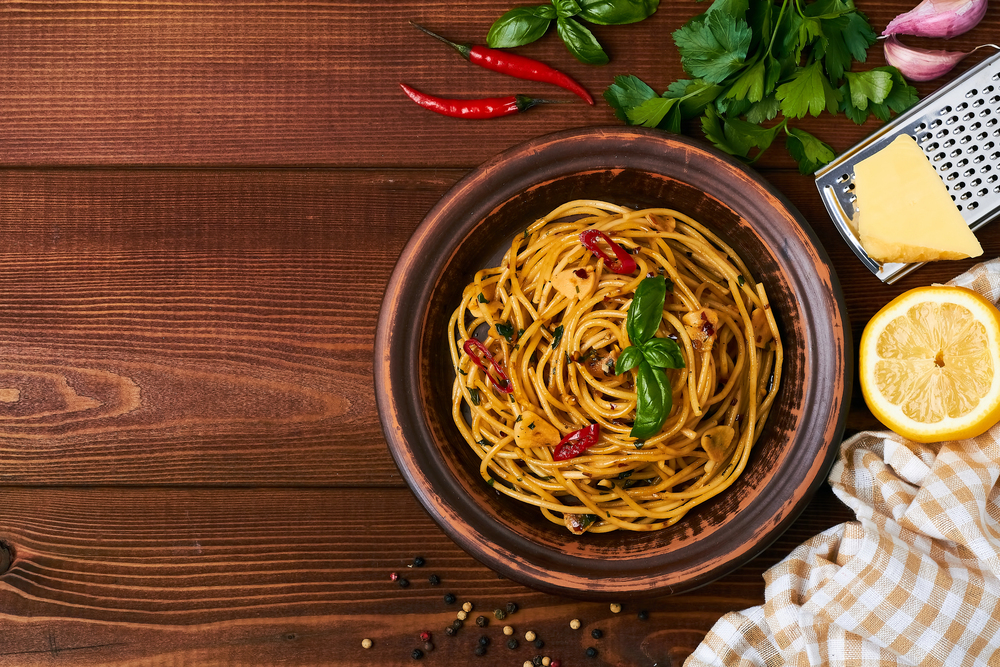
Restaurant portions look substantial because they’re plated to fill specific visual proportions, not because they contain more food. A smaller portion of protein placed prominently with vegetables and starch arranged around it looks more satisfying than a larger portion sprawled across the plate with sides scattered randomly.
The eye processes arrangement before quantity.
Temperature Contrast Adds Interest
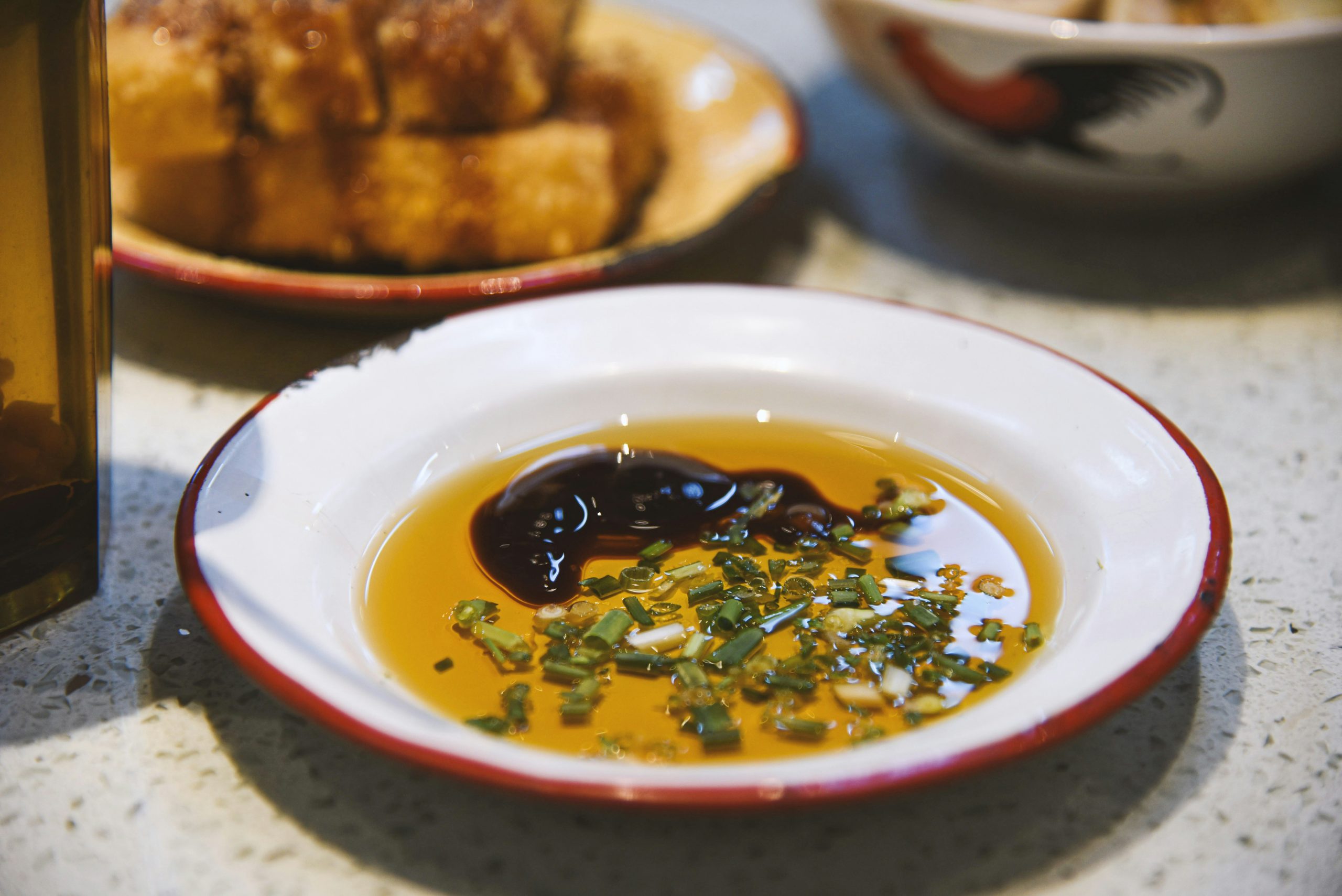
Serve something cold alongside something warm whenever possible. Room temperature garnishes on hot food, cold sauce with warm vegetables, fresh herbs on cooked protein.
Temperature contrast keeps each component distinct and prevents everything from blending together visually. A cold dollop of sour cream on hot chili does more than cool the spice — it creates a visual anchor point that makes the whole bowl look more composed.
Finish with Texture
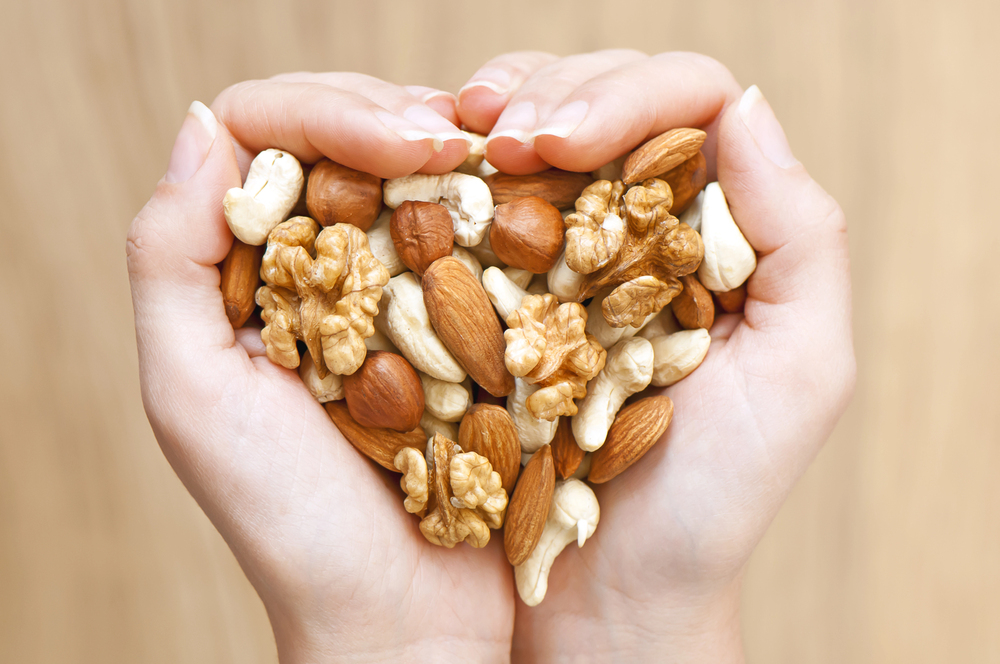
The last thing that goes on the plate should add textural contrast — toasted nuts on salad, crispy onions on soup, fresh herbs on anything creamy, a drizzle of good olive oil on vegetables. This final layer catches light differently than the components underneath, creating visual depth that makes the plate look professionally finished.
Even a simple sprinkle of flaky salt on roasted chicken changes how the light hits the surface.
Making It Stick
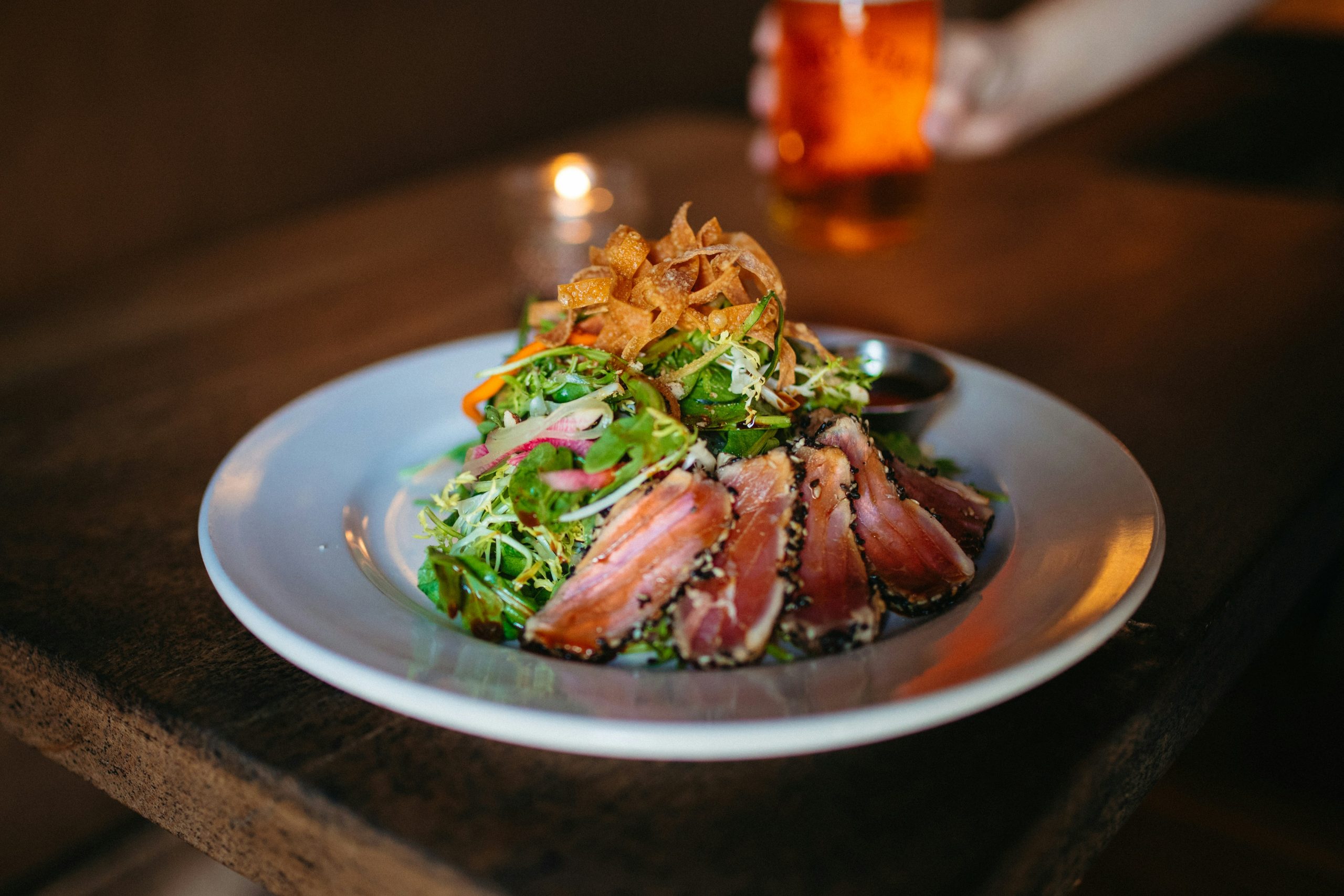
The difference between rushed weeknight dinner and something worth photographing isn’t more work — it’s different work. These techniques become automatic once you start using them, turning plating into a two-minute routine that happens while the food is still hot and ready to serve.
Good presentation isn’t about impressing anyone else. It’s about treating your own cooking with enough respect to make it look as good as it tastes.
More from Home As We Make It
- 18 Affordable Places to Retire in the U.S.
- Antique Glassware That’s Worth Collecting
- Stay-At-Home Jobs That Actually Pay
- 18 Forgotten Snacks from the ’80s and ’90s
- 20 Things That Make a House Look Cleaner Than It Is
Like Home As We Make It‘s content? Follow us on MSN.