The commercial director for Business Travel Association has pushed back at plans to expand tourism tax across the UK - revealing it'll cost businesses more than £100,000 a year.
Since April 2023, Manchester has had an additional £1 fee on accommodation bookings - called the City Visitor Charge - while Liverpool has had a 1.6 per cent levy on hotels.
Meanwhile, in the south of England, Bournemouth, Poole and Christchurch introduced a tax of £2 per room, per night in July 2024.
And the government is proposing to give city mayors and town officials the authority to charge a small fee for overnight stays.
It would apply to visitors staying at hotels, holiday lets, Bed and Breakfasts, and guesthouses.
London's Mayor Sadiq Khan is considering a flat rate of around £2-3 per night on accommodation, while various Scottish cities have confirmed they're introducing tourist taxes.
Edinburgh and Glasgow are introducing a five per cent levy from July 24, 2026, and January 25, 2027, respectively.
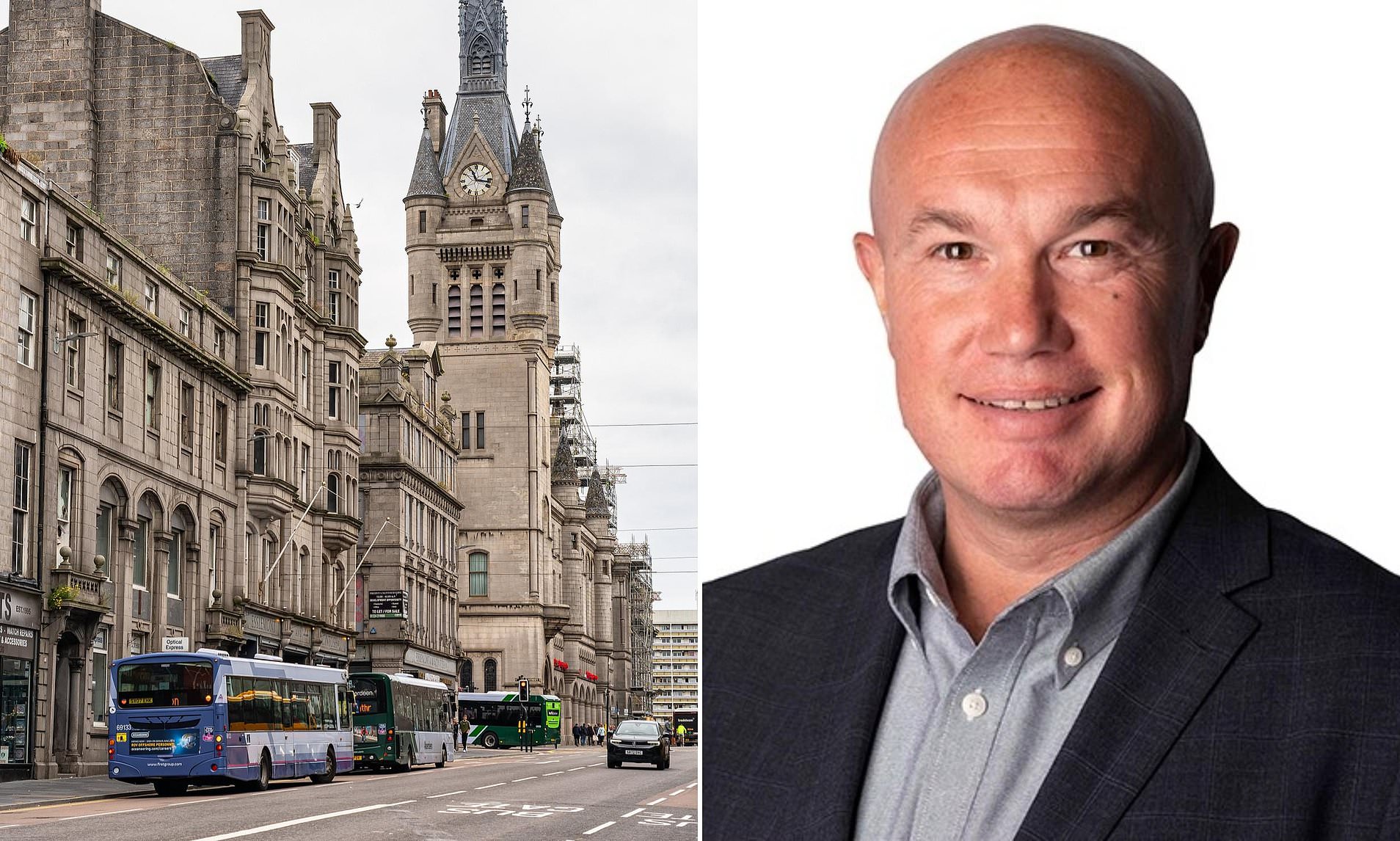
But Aberdeen's tourist tax is planned to be the highest at seven per cent, being introduced from April 1, 2027.
Many businesses, in the UK and abroad, send their employees to cities across the country for meetings, conferences and work-related matters, often booking them into hotels for days to weeks at a time.
In fact, the business travel sector generates about £22 billion per year to the UK economy, and within that there are about 250,000 jobs.
And Business Travel Association's commercial director Andrew Clarke has argued an additional charge could cause businesses to 'certainly consider their budgets'.
'We've got one client that's speaking to us on a regular basis that puts around 10,000 room nights into Aberdeen at an average room night of £150,' he adds, explaining the company works in the oil and gas industry.
With this example, a seven per cent charge on 10,000 rooms in the Scottish city would work out at £105,000 a year.
'That's quite a significant increase on a corporate business's travel budget,' Andrew adds.
As a result, other options like staying out of the city charge zones could be considered - driving business away from the centre.
'I think people will start to look at alternative options. Can I stay just outside the city centre and use taxis? What's the local transport situation like?; Andrew says.
He uses the example of Manchester, which introduced a £1-per-night City Visitor Charge for hotels in a specific zone.
'But if you stay just outside the ring road, there is no charge and to get a taxi into the city centre will probably be £5-10,' Andrew says.
'So if you've got a volume of room nights, and the impact of that is huge, then you are going to think about different alternatives.'
He adds, 'If the room rate is cheaper outside of that area, then why would you not move your business?'
Andrew says the additional charge 'will definitely be damaging' and emphasises, 'this is not just about business travel, this is about just travel in general'.
He argues business travellers are 'not the same as tourists,' who might stay for just a few days.
Instead, companies often send their employees to a city for long periods of time to attend conferences, for example.
'The tourists will come in, they'll have a couple of nights, and then they'll move onwards, so the impact for the business traveller is huge,' Andrew finishes.
Read more