Waymo Burns $25B As Chinese Rival Cracks Robotaxi Profitability Code
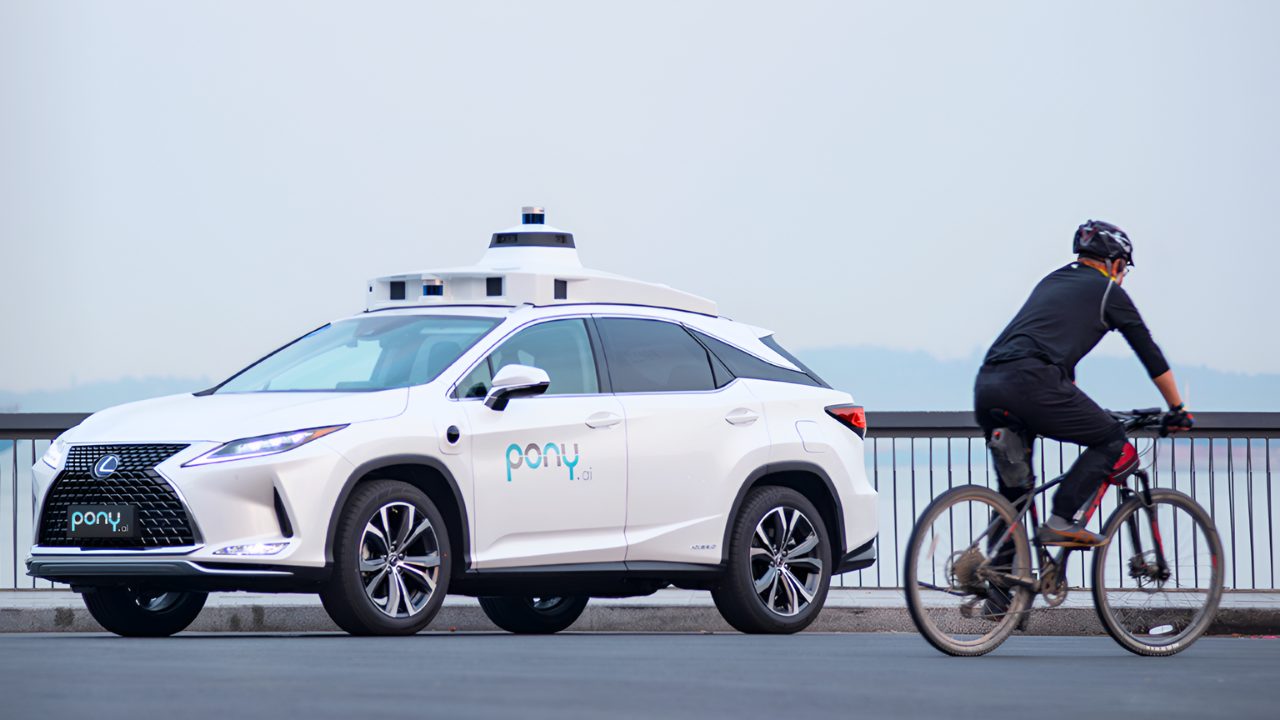
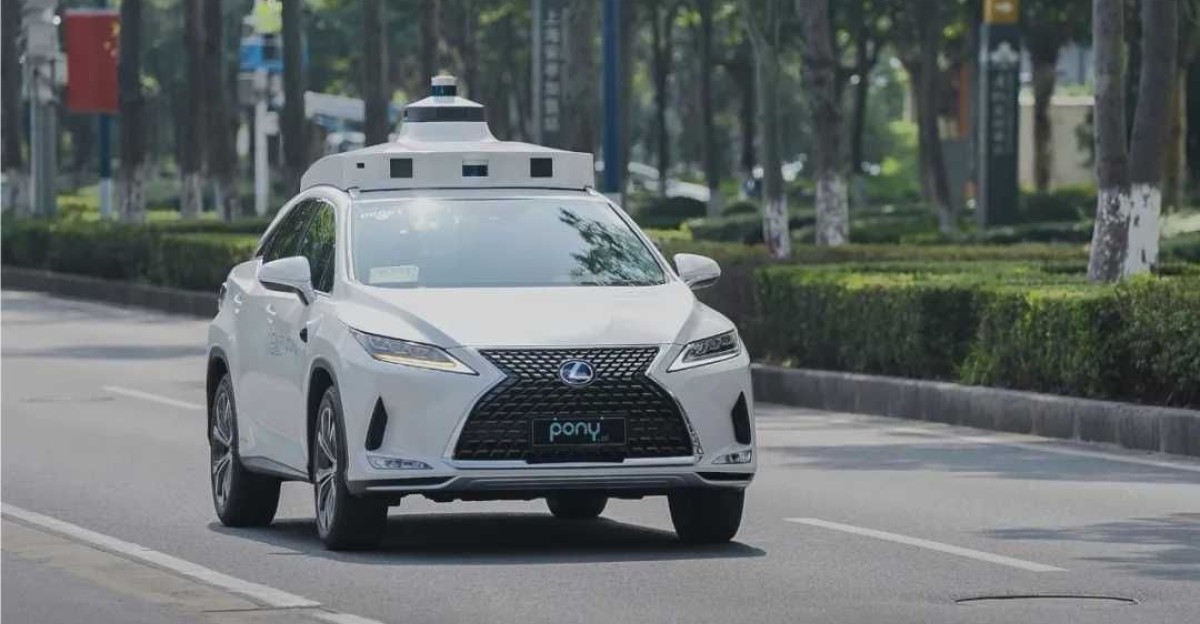
In February 2026, Pony.ai's seventh-generation robotaxi fleet hit unit economics breakeven in Shenzhen, with each vehicle generating an average of RMB 338 in daily net revenue and completing about 23 paid rides per day. That makes Pony.ai the first autonomous driving company to achieve per-vehicle profitability in two major cities, following an earlier breakeven in Guangzhou, while U.S. rival Waymo remains loss-making despite massive funding rounds.
Two Cities, One Scalable Model
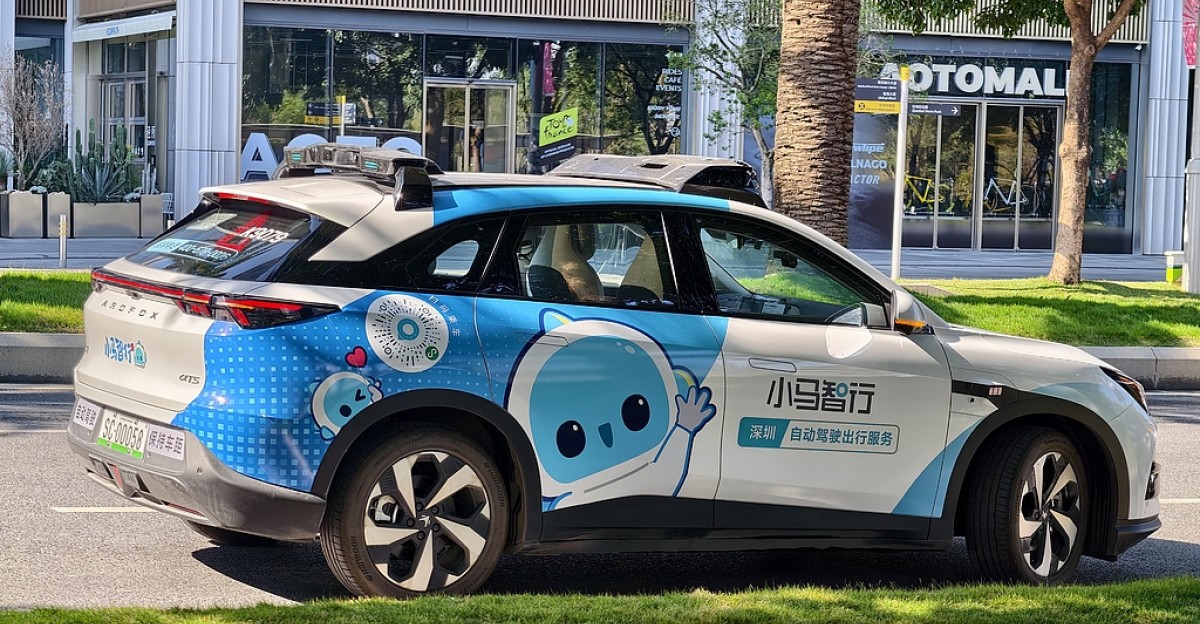
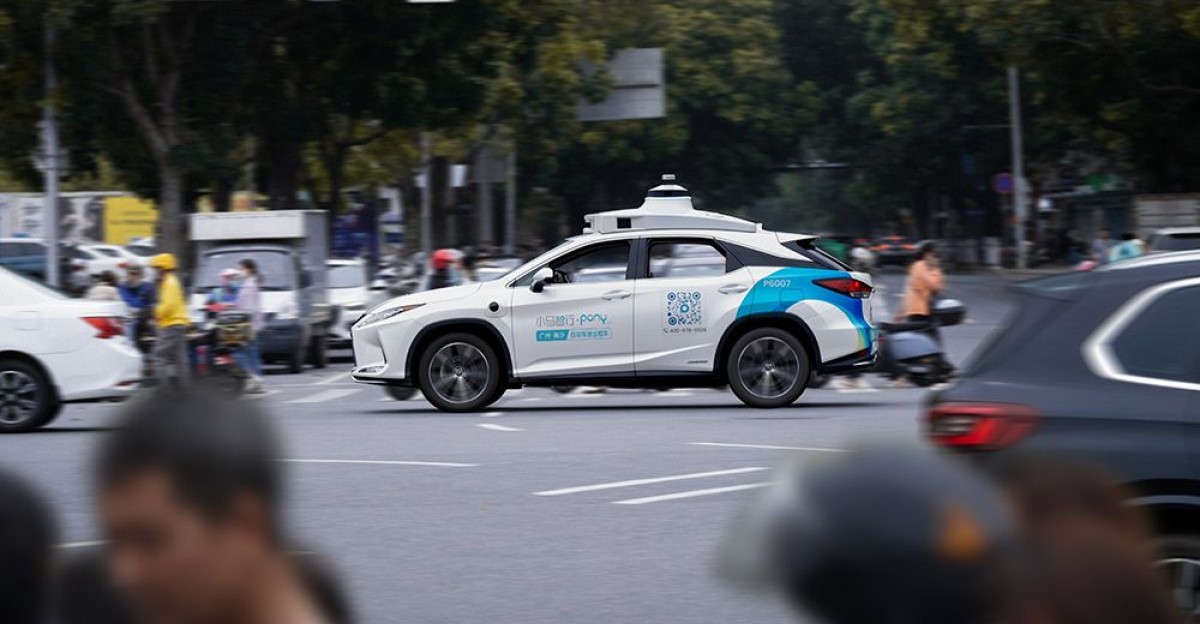
The Shenzhen result is Pony.ai's second proof point after it reported citywide unit profitability for its Gen-7 fleet in Guangzhou in 2025, a validation investors and regulators had been demanding for more than a decade of AV experimentation. "Achieving positive unit economics for Robotaxis in Shenzhen is an important validation of the company's technological maturity and commercial strategy," CEO James Peng said. "Achieving this goal in two first-tier cities in China proves that autonomous mobility is not only technically feasible but also economically sustainable for large-scale operation."
Hardware Costs Slashed by 70 Percent
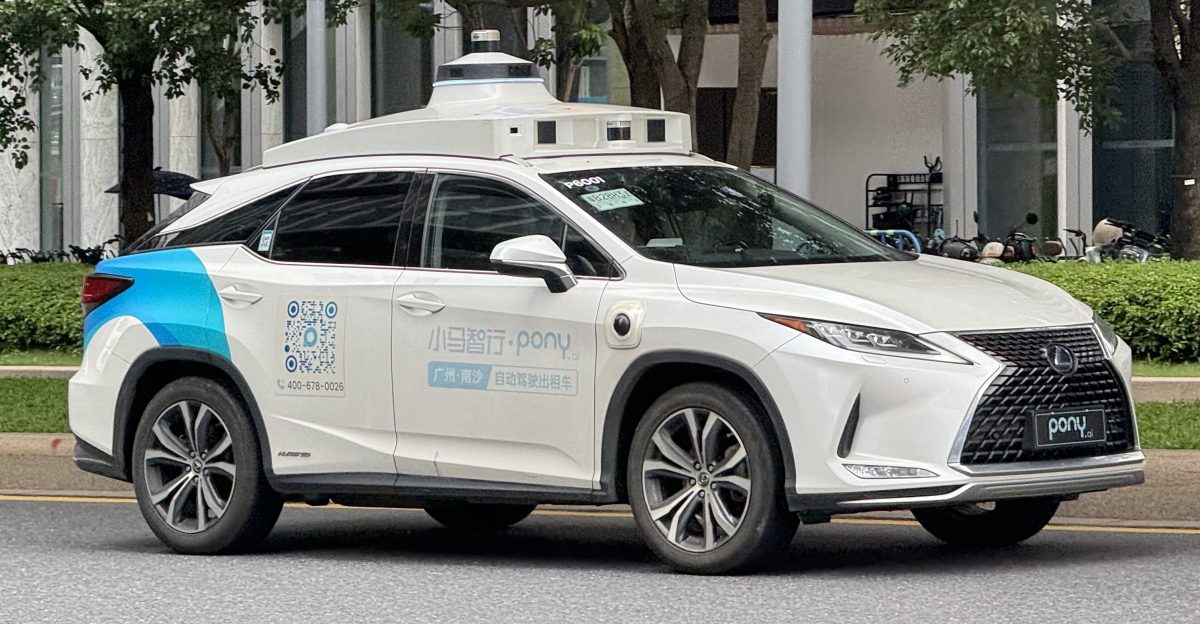
Pony.ai's Gen-7 platform is built around a radically cheaper hardware stack, with per-vehicle autonomous kits costing about 70 percent less than prior generations, according to company and industry reports. The savings come from standardizing sensor configurations, relying more heavily on locally sourced lidar and radar, and co-developing vehicle platforms with Chinese OEM partners rather than bolting expensive sensors onto premium imports.
Vertical Integration With China's Supply Chain
Instead of chasing cutting-edge but pricey sensors, Pony.ai and its domestic peers focused on tight integration with China's automotive supply chain, where scale and bargaining power can quickly compress component costs. Industry analysts note that this approach, paired with mass-produced Gen-7 vehicles, allows Pony.ai to expand fleet size while still pushing unit costs down, a combination Western AV firms have struggled to match.
From Hundreds Of Cars To Thousands
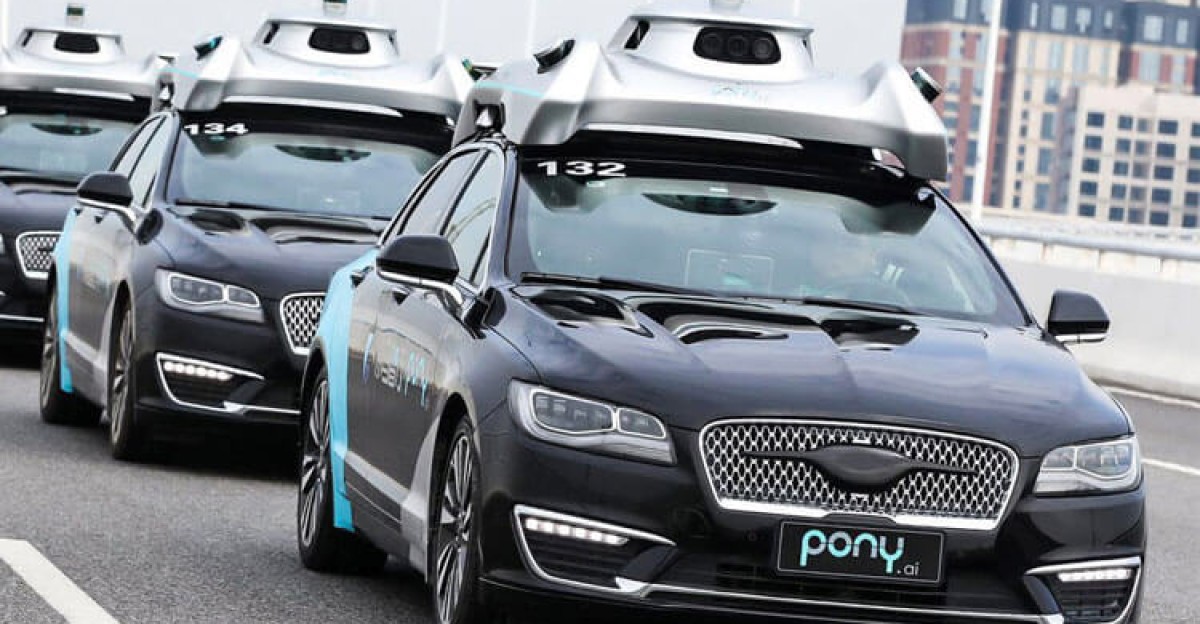
Pony.ai's Q3 2025 fleet stood at 961 robotaxis, including 667 Gen-7 vehicles, and the company told investors it plans to expand beyond 3,000 vehicles by the end of 2026. Longer-term forecasts see the fleet potentially exceeding 100,000 units by 2030, reflecting expectations that autonomous ride-hailing could become a mainstream urban transport layer in China's largest cities if regulatory and technical hurdles stay manageable.
Usage Exploded In Shenzhen
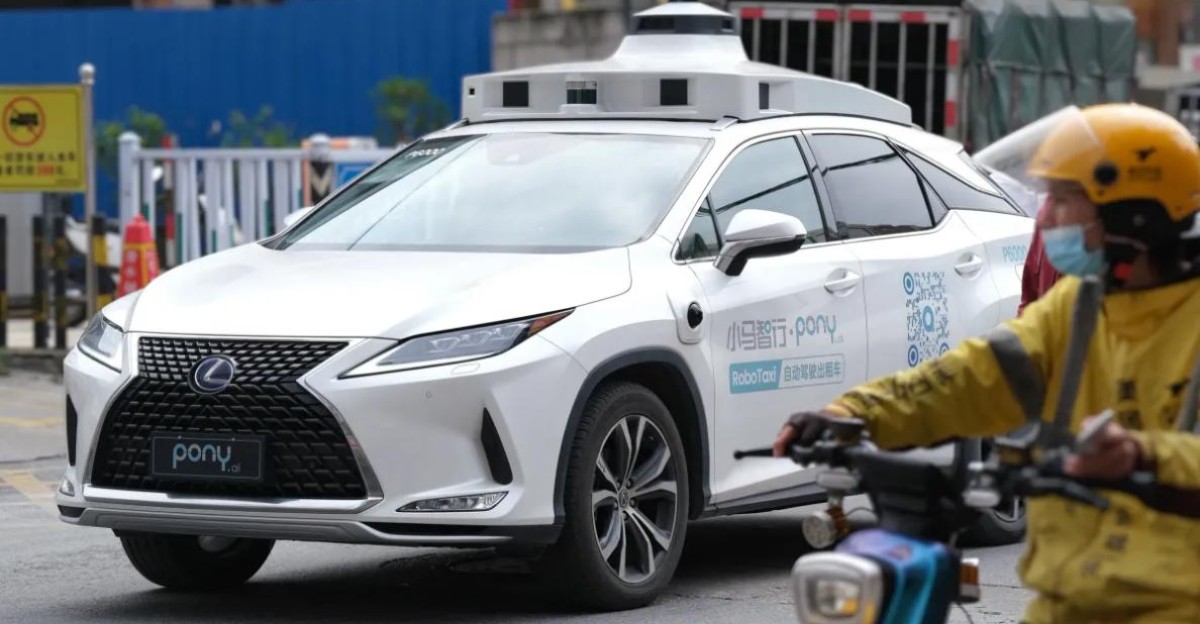
Shenzhen's adoption curve has been steep. Pony.ai launched paid robotaxi operations there in March 2025 and received the city's first fully driverless commercial permit in Nanshan District later that year. By December 2025, its service area had expanded from 21.7 to 167.4 square kilometres, and by mid-February 2026, year-to-date paid orders in Shenzhen had already surpassed the full-year total for 2025.
Per-Car Profits, Company-Level Losses
Despite the per-vehicle breakeven story, Pony.ai remains far from profitable at the corporate level. The company reported Q3 2025 revenue of $25.4 million, up 72 percent year-on-year, with robotaxi revenue alone climbing 89.5 percent to $6.7 million. Yet its net loss widened to $61.6 million in the quarter, driven by heavy research and development and customization costs for Gen-7 vehicles.
Analysts Warn Of A Scaling Gap
Industry observers say the divergence between unit economics and company-wide losses underscores how much additional volume is needed to absorb fixed R&D and infrastructure spending. Gasgoo Auto noted that after achieving per-vehicle profitability, Pony.ai still needs further scale expansion to cover massive R&D and administrative expenditures, with regulatory fragmentation and data privacy flagged as ongoing headwinds.
Waymo's Different, Costlier Path
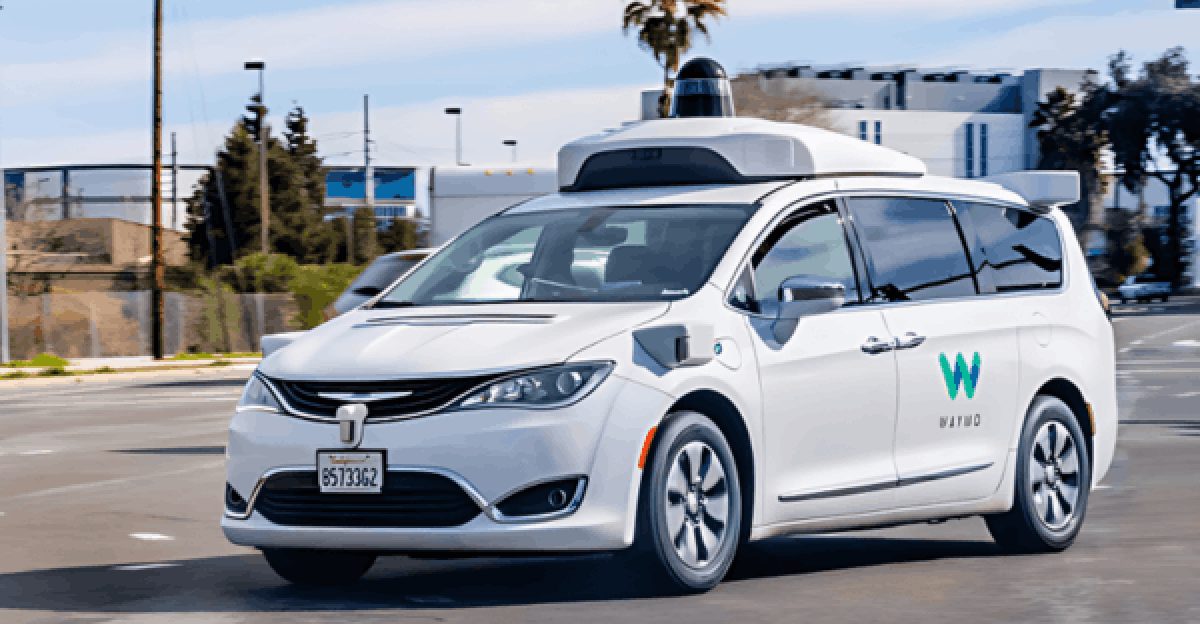
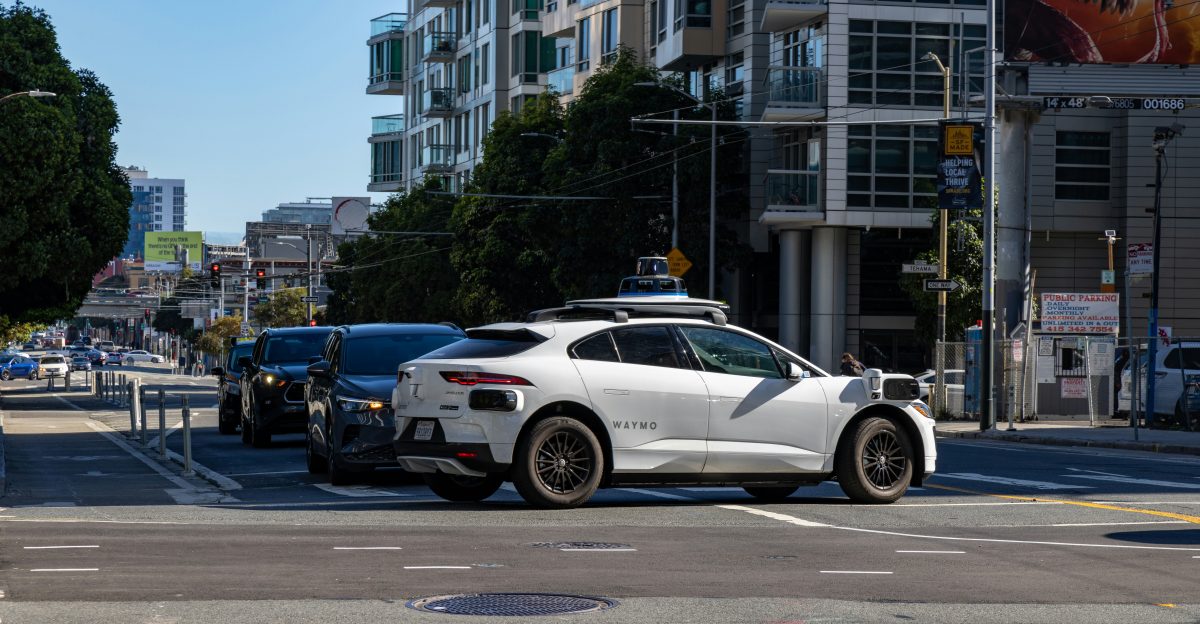
Waymo, Alphabet's autonomous driving unit, has raised more than $25 billion in cumulative investment since its founding as a Google project in 2009, including a $16 billion round in February 2026 that valued the company at $126 billion. But even as Waymo surpasses 200 million fully driverless miles and more than 20 million rides, it has not publicly claimed per-vehicle profitability, reflecting a higher-cost hardware and operating model built in more expensive U.S. and international markets.
A Structural Advantage For China's AV Champions
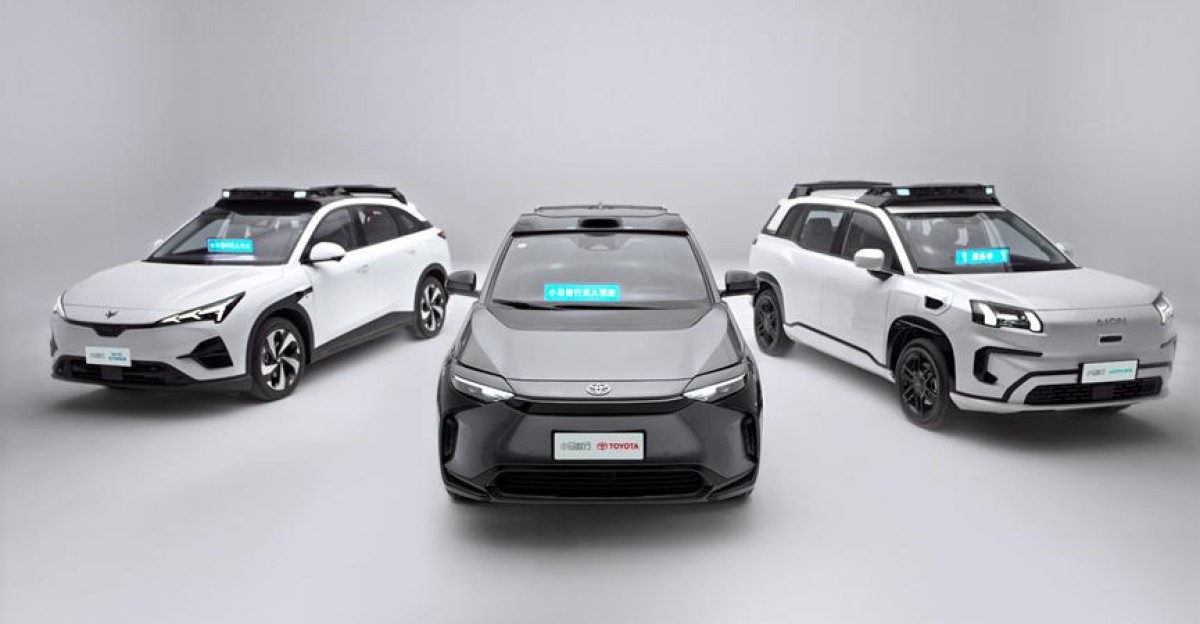
Taken together, Pony.ai's Shenzhen and Guangzhou milestones suggest Chinese robotaxi operators have closed much of a years-long innovation gap with Waymo, not by outspending it, but by building a cheaper, more integrated cost base around domestic manufacturing and policy support. If that cost architecture persists, it could give China's AV players a lasting structural edge in global robotaxi competition, especially in markets where affordability matters more than premium hardware.

Start Your Engines with Bama Cooley
Like this story and hit Follow on MSN to get real driving experiences, powerful insights, and unfiltered takes delivered straight to your feed.