The Department of Justice is easing federal restrictions on medical marijuana products licensed by states, reclassifying them as less dangerous substances in another big step toward reorienting federal policy around a drug that has been strictly controlled at the federal level for decades.
Acting Attorney General Todd Blanche signed an order on April 23 that moves marijuana products approved by the Food and Drug Administration or licensed for medical use by states from Schedule I, the highest level of regulation, to the less strict Schedule III.
"This rescheduling action allows for research on the safety and efficacy of this substance, ultimately providing patients with better care and doctors with more reliable information," Blanche said in a statement.
Start the day smarter. Get all the news you need in your inbox each morning.
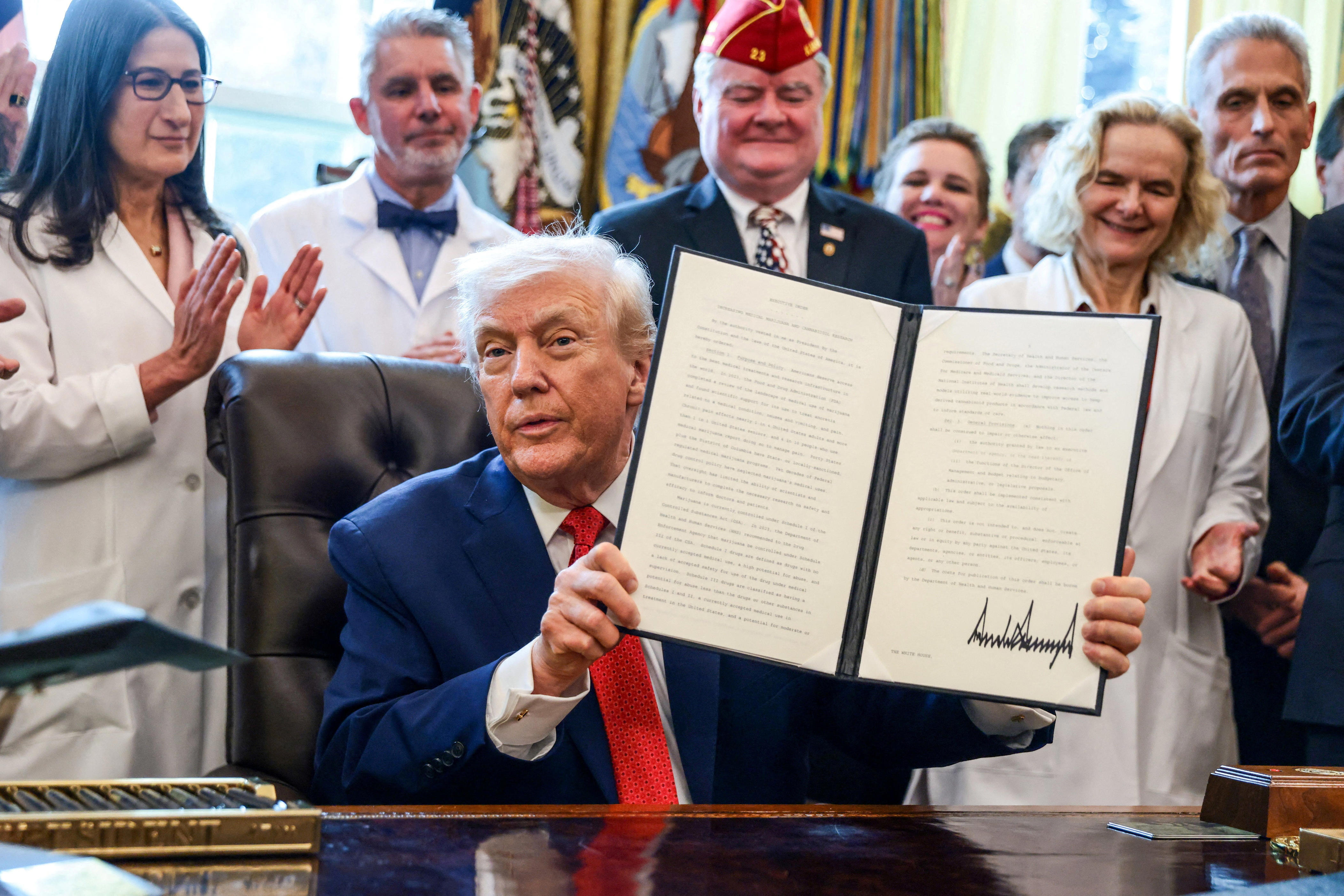
The DOJ is also expediting the hearing process to more broadly reclassify marijuana under federal law, following through on President Donald Trump's Dec. 18 executive action aimed at finalizing a reclassification push begun under President Joe Biden. The Drug Enforcement Administration will hold an administrative hearing on the issue on June 29.
The reclassification effort represents a major shift in the federal government's approach to marijuana. Schedule 1 drugs are considered the most dangerous, with the DEA describing them as substances with no "medical use and a high potential for abuse." They include heroin, LSD and ecstasy. The DEA considers Schedule III drugs as having "a moderate to low potential for physical and psychological dependence."
Marijuana isn't legal at the federal level under Schedule I, but the change makes it easier for the industry to operate and for research to be conducted.
The DOJ order creates an "expedited registration" process for companies with state medical marijuana licenses that enables them "to engage in the manufacture, distribution, and/or dispensing of marijuana for medical purposes under federal law." The order also has tax benefits for the industry.
Marijuana is legal for medical or recreational use in 45 states, and 64% of Americans supported legalization in a Gallup survey from last year, up from 36% two decades ago. Support for legalization has dipped recently among Republicans, though, Gallup found.
After Trump issued his December order expediting marijuana's reclassification, a group of 22 Republican senators sent the president a letter stating the drug is "harmful to its users" and urging him to reconsider.
Trump has taken an aggressive approach to drug enforcement during his second term, most notably with military strikes against alleged drug vessels off the coast of Venezuela. His stance on marijuana has been less restrictive, though. During the 2024 campaign, Trump supported a ballot measure, which ultimately failed, that would have legalized the drug in the state of Florida.
Biden ordered the Department of Health and Human Services to review marijuana's classification in 2022, and the next year, HHS called for listing marijuana as Schedule III. The Biden administration in 2024 proposed a rule to reschedule marijuana, but it was put on hold.
Trump also recently signed an executive order aimed at speeding access to medical treatments that use psychedelic drugs.
This story has been updated to add new information.
Contributing: Bart Jansen
This article originally appeared on USA TODAY: Trump eases regulation on state-licensed medical marijuana