Toyota Credit Drops the Hammer on Dealer Group
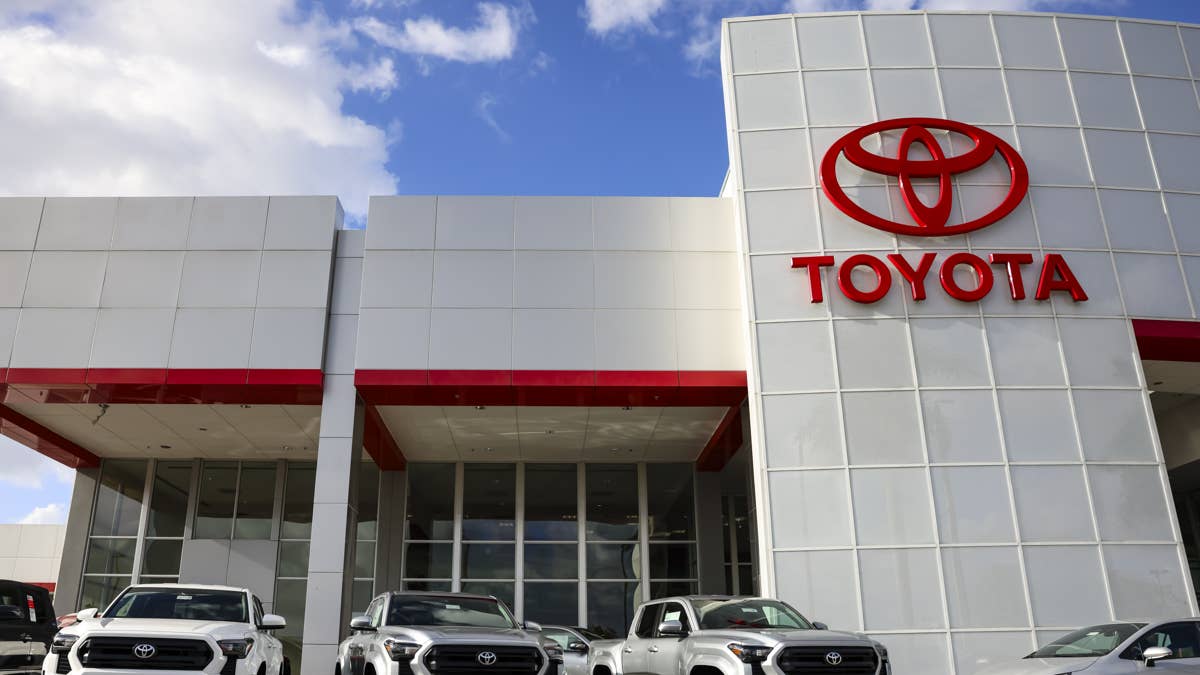
More and more car companies seem to be cleaning house, and Toyota Motor Credit Corporation is the latest to do so. According to a report from Automotive News, the captive lender has filed a lawsuit against a Connecticut dealership group, alleging millions in financial exposure tied to questionable inventory practices. At the center of the case is Stephen CadillacGMC in Bristol, which also operates a Toyota franchise under the same ownership umbrella.
According to the complaint, a routine floorplan audit conducted on March 27 uncovered a major discrepancy. Sixteen vehicles valued at over $1.4 million were unaccounted for, triggering immediate concern from the lender. Floorplan financing is a lifeline for dealerships, allowing them to stock inventory while the lender retains a lien. When vehicles disappear without repayment, it is considered an “out-of-trust” sale, one of the most serious breaches in dealer financing.
Missing Cars, Mounting Debt
The situation escalated quickly after the initial audit findings. Toyota Credit alleges that additional vehicles were removed from the dealership in the days that followed, compounding the issue. In total, the lender claims the group owes more than $5.1 million, including over $3 million tied to floorplan and capital loans. The complaint accuses the defendants of improperly disposing of collateral through sales, leases, or other transfers without settling their obligations.
The lawsuit, filed in the U.S. District Court for the District of Connecticut on April 4, seeks more than just financial damages. Toyota Credit is also seeking injunctive relief to prevent further transfer of assets and is asking the court to grant possession of the missing vehicles. The dealership’s president, Stephen Barbarino Jr., who personally guaranteed the loans, is also named in the complaint. Legal counsel for the dealership has indicated that efforts are underway to resolve the dispute.
Retail Trend?
This case underscores a growing trend in the retail auto space where lenders and OEM-backed finance arms are taking a harder stance on compliance. Floorplan audits are becoming more aggressive, and tolerance for discrepancies is shrinking. With car companies like Toyota feeling the squeeze from regulatory fronts, tightening credit conditions, and rising vehicle values, lenders simply cannot afford to look the other way when inventory goes missing.
From an industry standpoint, this is less about a single dealership and more about systemic risk management. Out-of-trust situations erode confidence in dealer financing models and can ripple across lender portfolios. Expect more scrutiny, more audits, and more legal action as automakers and their finance arms work to protect margins in an increasingly volatile market.