Good morning. Pencils and erasers.
That’s what governors, state lawmakers, courts and even voters have used with reckless abandon in the past year to redraw—and sometimes undraw—congressional districts ahead of November’s midterm elections.
The effort originated in Texas, which in response to a request from President Trump tried to redraw state maps to benefit Republicans. But then the idea caught on in other states, and it became a red-blue erasable-pencil contest.
Is it confusing? Yeah, really confusing. Is it disorderly? Extremely.
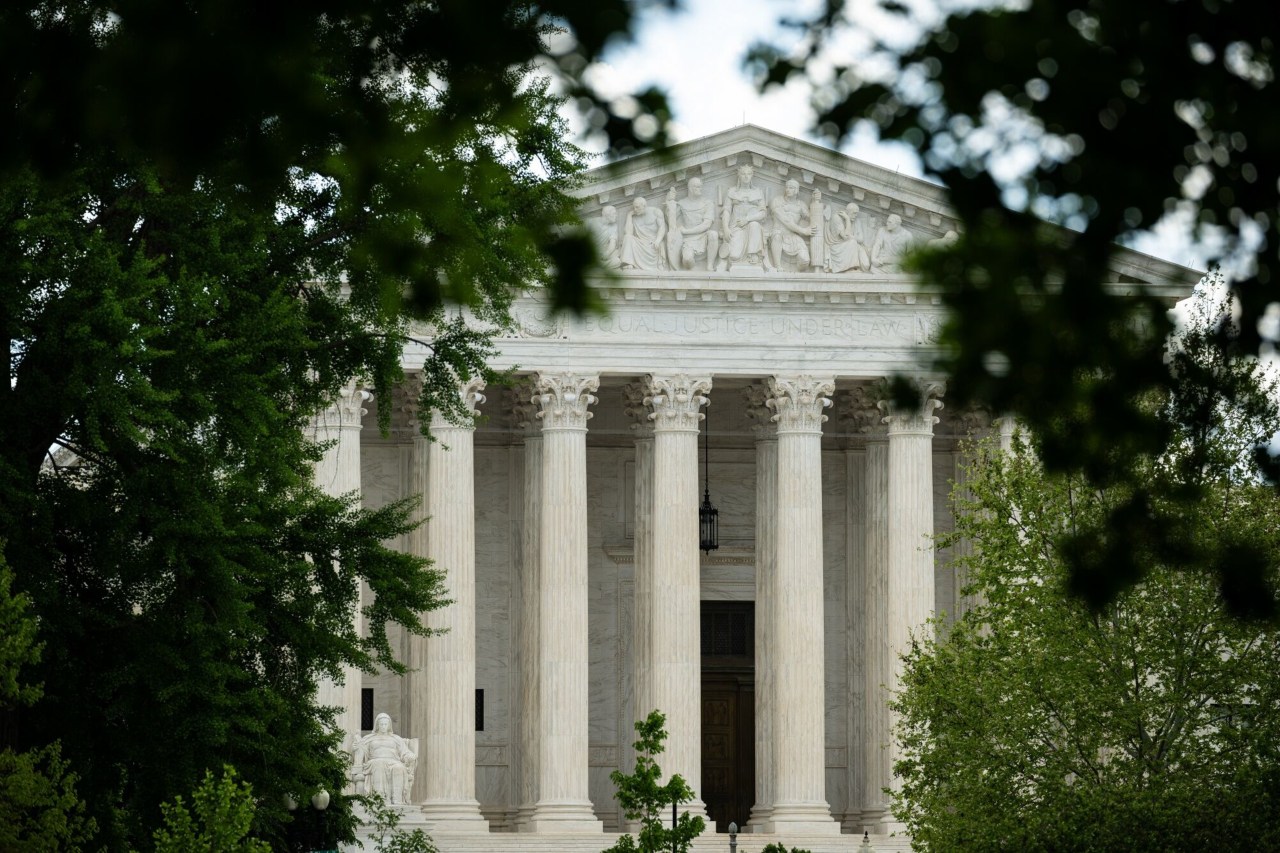
But the Supreme Court on Wednesday made perhaps the most consequential change of all.
With a 6-3 majority, it ruled that states couldn’t consider race when drawing congressional maps. Many states have been doing this exact thing for decades, citing the Voting Rights Act, the 1965 law that prohibits racially discriminatory election rules. That means a number of congressional districts—some of which are shaped like preschool scribble—might be redrawn. How many districts? Well, that is the biggest question of them all.
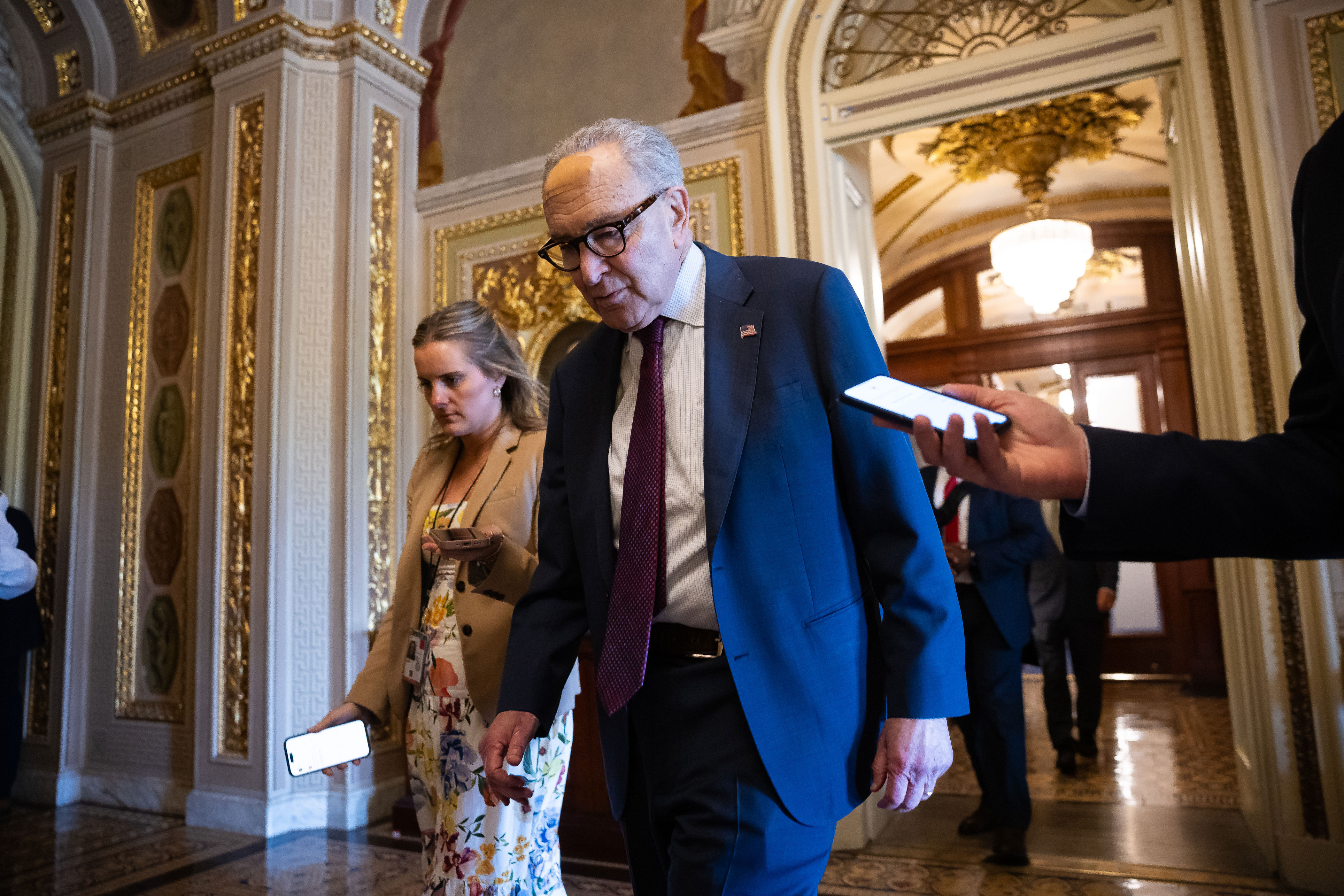
Former President Barack Obama and Senate Minority Leader Chuck Schumer (D., N.Y.) both blasted the Supreme Court decision, which should be a good indication of what Democrats think the impact will be.
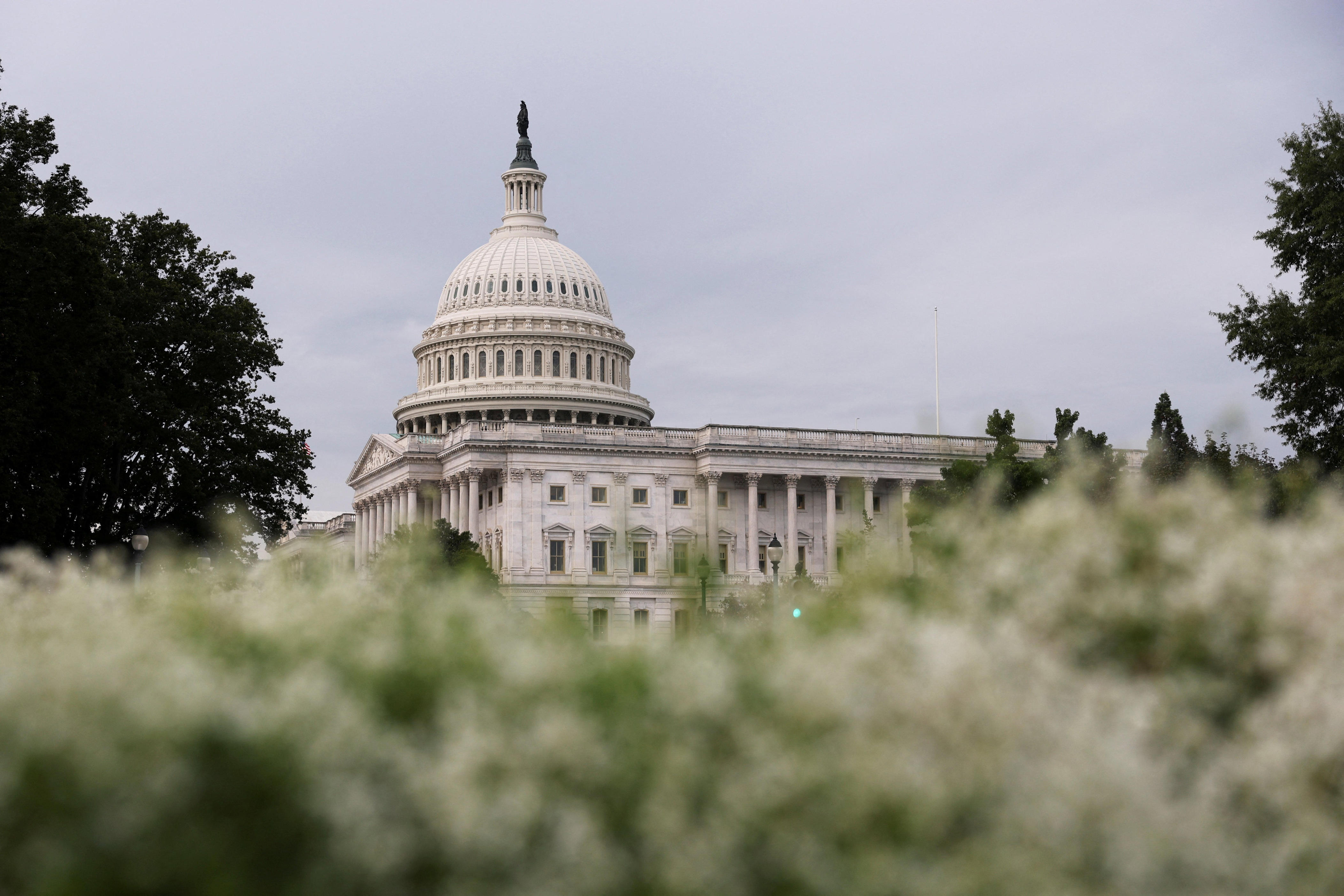
Democrats think they have an opportunity to take control of the House of Representatives in November (and some Republicans think that, too). But there’s a long way between now and November. Not only could the voters still change their minds, but the states could still change who votes in what district. There are 435 congressional districts. It might be too late to change the congressional maps for the 2026 midterms, but we’ll find out soon.
This is an edition of the Politics newsletter, bringing you an expert guide to what’s driving D.C. every day. If you’re not subscribed, sign up here.
People and Policies I’m Watching
First-quarter GDP. The number is due out at 8:30 a.m. Eastern time. It should offer a partial look at the economic impact of the Iran war.
Senate Armed Services Committee: Defense Secretary Pete Hegseth and Gen. Dan Caine, chairman of the Joint Chiefs, are set to testify before the panel after appearing Wednesday before the House Armed Services Committee.
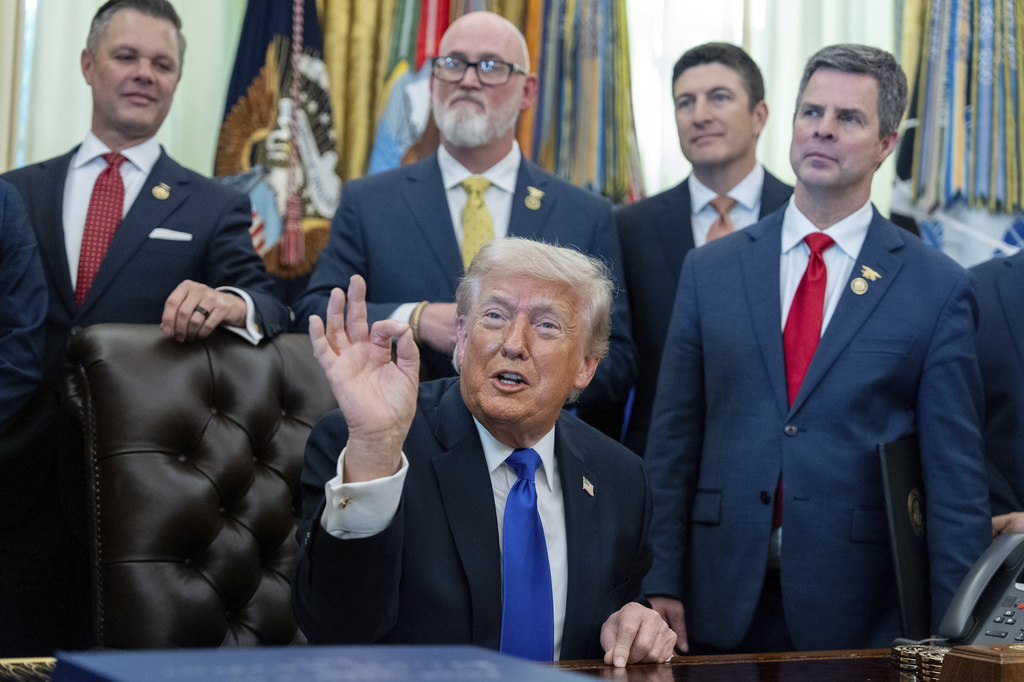
Trump’s Thursday: The president bids farewell to King Charles III and Queen Camilla at 10:50 a.m., conducts a phone interview at 11:30 a.m., signs an executive order at 2 p.m. and holds policy meetings at 3 p.m. and 4 p.m.
What I’m Following
Pete Hegseth sparred with Democrats over his handling of the Iran war and management of the Pentagon. At one point in an hourslong House Armed Services Committee hearing, Hegseth said “the biggest adversary we face at this point are the reckless, feckless and defeatist words of congressional Democrats and some Republicans.” In one testy exchange, Rep. Adam Smith (D., Wash.) questioned the rationale for the war if Iran’s nuclear program had been “obliterated” as the administration claims. A Pentagon budget official said that operations in Iran have cost $25 billion so far.
The Supreme Court seemed split on a move to end legal protections for some immigrants. Several conservative justices suggested during oral arguments that courts had little power to review the executive branch’s decisions about the Temporary Protected Status program, which allows people to stay in the U.S. for humanitarian reasons. But Chief Justice John Roberts seemed more skeptical of the government’s claims, and Justice Amy Coney Barrett signaled concern that the administration didn’t follow the proper steps, making her a potentially pivotal vote.
Florida upped the ante in the redistricting wars. The state’s Republican-controlled Legislature approved a redrawn map of its congressional districts that could give the GOP up to four more seats in the U.S. House in the midterms. The vote was the latest salvo in a state redistricting battle triggered by Trump’s push to preserve the GOP’s slim majority in Congress.
What Else Is Happening
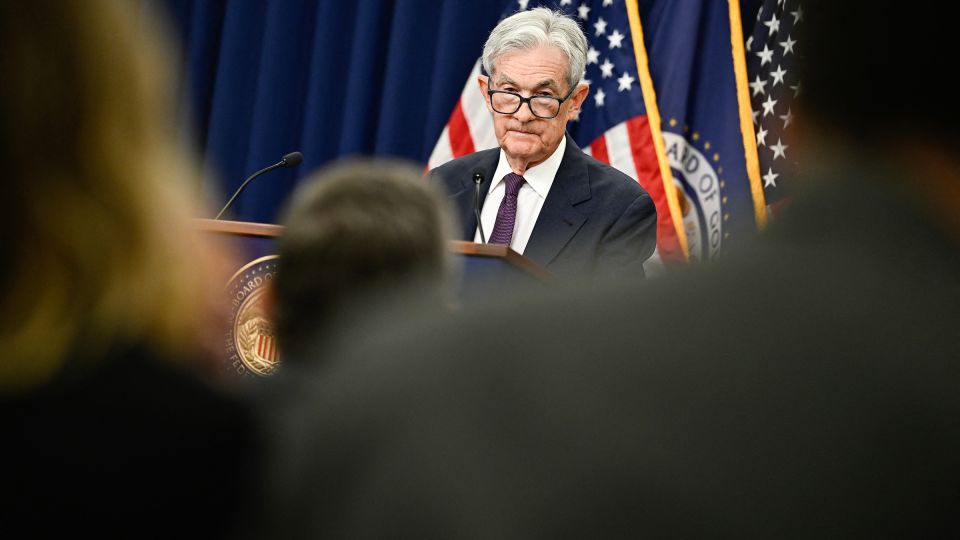
The White House opposes a plan from Anthropic to expand access to its powerful artificial-intelligence model Mythos.Fed Chair Jerome Powell said he would stay on the central bank’s board after his chairmanship ends next month.Trump is leaning toward endorsing Rep. Andy Barr in the Kentucky Senate race, a move that would break ties with several of his own allies.The suspected gunman at the White House Correspondents’ Dinner planned the attack for weeks, according to court filings, which included a selfie prosecutors said he took shortly before the shooting.The Senate Banking Committee advanced Kevin Warsh’s nomination to lead the Fed, clearing the way for his likely confirmation by the full Senate.Trump is considering whether to remove some American troops from Germany after its leader criticized the U.S. campaign in Iran.
What I’m Reading
The Comey Indictment Has Already Backfired (The Free Press)Republicans Push for New Congressional Map After SCOTUS Ruling (AL.com)DeSantis Cuts Florida’s Hispanic-Majority Congressional District (Orlando Sentinel)
About Me
I’m Damian Paletta, The Wall Street Journal’s Washington coverage chief. I’ve covered Washington for 22 years as a reporter and editor. I’ve covered the White House, Congress, national security, the federal budget, economics and multiple market meltdowns.WSJ Politics brings you an expert guide to what’s driving D.C., every weekday morning. Send your feedback to politics@wsj.com (if you’re reading this in your inbox, you can just hit reply). This edition was curated and edited in collaboration with Joe Haberstroh and Mali Michelle Fleming. Got a tip for us? Here’s how to submit.