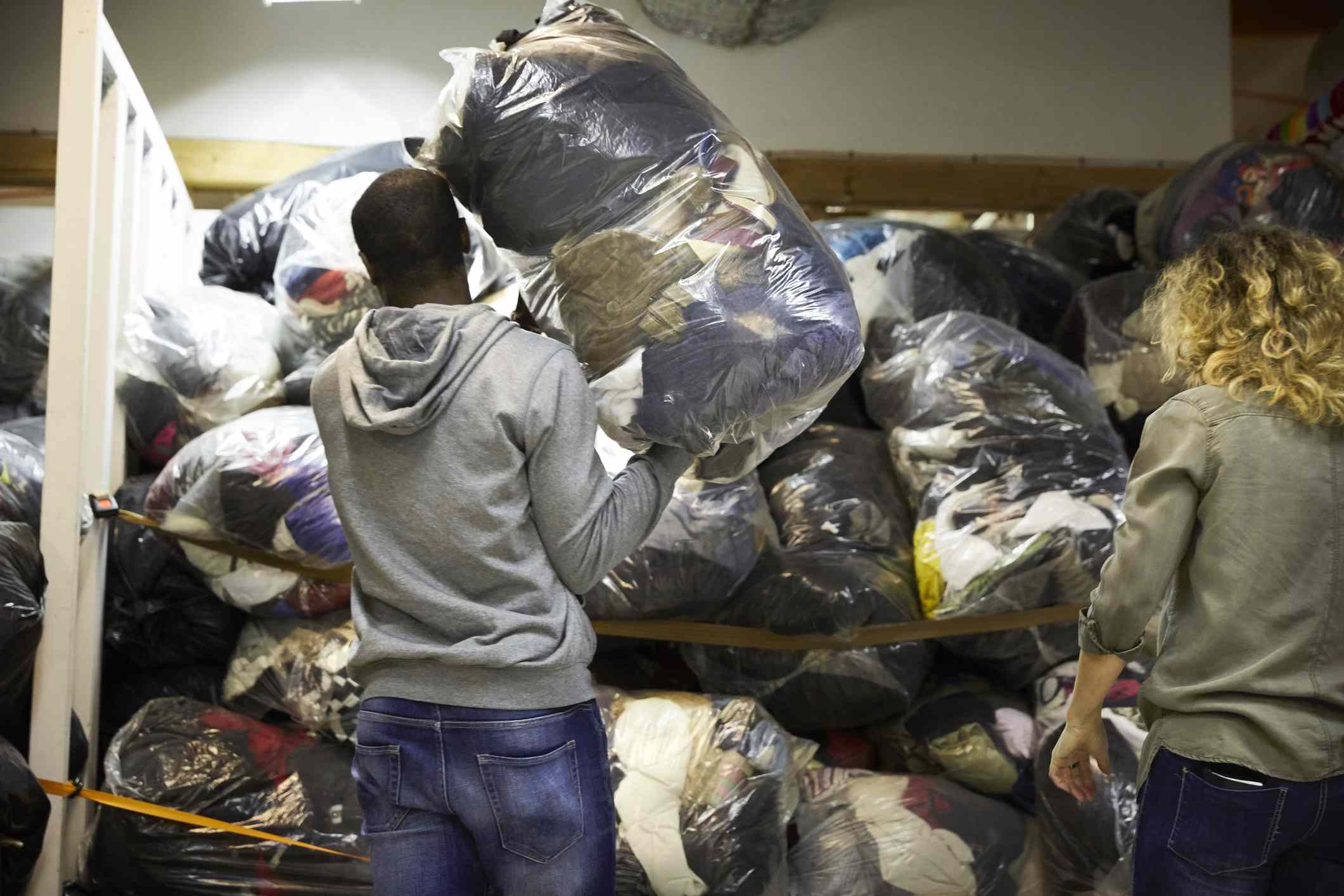
Giving to the local thrift shop feels good. You get to clean out your house and pass secondhand items on to someone who needs them. You're reducing waste and keeping things out of the landfill. If the thrift shop supports a charity, you're also helping raise money for their cause.
On the other hand, unwanted donations can be very expensive for thrift stores. They have to spend resources picking through donations and disposing of useless items. Having junk hauled away costs money.
So if you really want to support the local thrift shop, don't donate any of the unwanted items listed below. We'll tell you what to do with them instead.
Toiletries And Cosmetics
Thrift stores rarely accept toiletries and cosmetics. Partially used bottles of shampoo and expired compacts or foundation will definitely be thrown out.
Where to donate: Talk to a local shelter to see if they accept unopened personal care items like toothpaste and deodorant. Some organizations that serve women in crisis will accept unused and unexpired cosmetics.
Car Seats
Car seats and booster seats have an expiration date after which they cannot be sold. And you can't sell a car seat that has been in an accident, which is difficult to ascertain by just looking. In fact, very few organizations accept car seats due to the liability involved.
How to dispose of car seats: Save your car seat for the next Target car seat trade-in event. The car seat will get recycled, and you can get 20 percent off baby gear at the store.
Cribs And Baby Loungers
Drop-side cribs are no longer sold in the U.S. and must be disposed of. Other baby items like sleep loungers may not meet new safety standards. Many thrift stores don't want the liability involved with baby items that are frequently recalled.
How to dispose of cribs: Find a furniture recycling program or repurpose your crib into a new piece of furniture. Crib rails can be used to build benches, shelving, desks, and more.
Helmets
Thrift stores don't accept used bike helmets and motorcycle helmets because the materials in these products degrade over time. Most manufacturers recommend replacing helmets every five years to ensure they will protect you. If a helmet is too outdated for your family to use, don't pawn it off on someone else.
How to dispose of helmets: Unfortunately, recycling helmets is almost unheard of. But you may be able to remove and recycle the expanded polystyrene foam within the helmet. Check this map to find an EPS recycler.
Mattresses And Futons
Mattresses, box springs, and futons are often contaminated with allergens and pests like bedbugs. Local health department regulations may prohibit the sale of them. Unfortunately, recycling programs for mattresses are also rare.
Where to donate: If you have a barely used, clean mattress, check with local housing charities to see if they accept donations. Otherwise, schedule bulk trash pickup or haul the mattress to the dump.
Old TVs And Monitors
No thrift store wants to stock bulky old TVs and monitors on the shelves, where they will sit gathering dust and never sell. Tube TVs and CRT monitors also contain lead and possibly other heavy metals.
How to dispose of TVs and monitors: Send these to an electronics recycling program to prevent landfill contamination.
Torn And Stained Clothing
Thrift store managers are serious when they say they want "gently used" clothing. If you wouldn't consider wearing something, don't donate it. This includes clothing with tears, stains, holes, obvious wear, missing buttons, and broken zippers.
Where to donate: Some organizations put out recycling bins where you can drop off clothes. The clothing is shredded to reuse in padding or insulation, or baled and sent to other countries.
Related: 10 Creative Ways To Use Old T-Shirts
Used Lightbulbs
CFL bulbs are banned in some states because they contain mercury. Incandescent bulbs break easily and burn out quickly. Some organizations will accept new LED bulbs still in the package, but don't expect a thrift store to want your old light bulbs.
How to dispose of lightbulbs: Halogen and incandescent bulbs can be thrown in the trash, though it's a good idea to double-bag them so the glass shards don't injure anyone. Check with your local big box hardware store to see if they accept CFL bulbs for recycling. If you can't find a recycling program, take CFL bulbs to a hazardous waste facility.
Read the original article on Southern Living