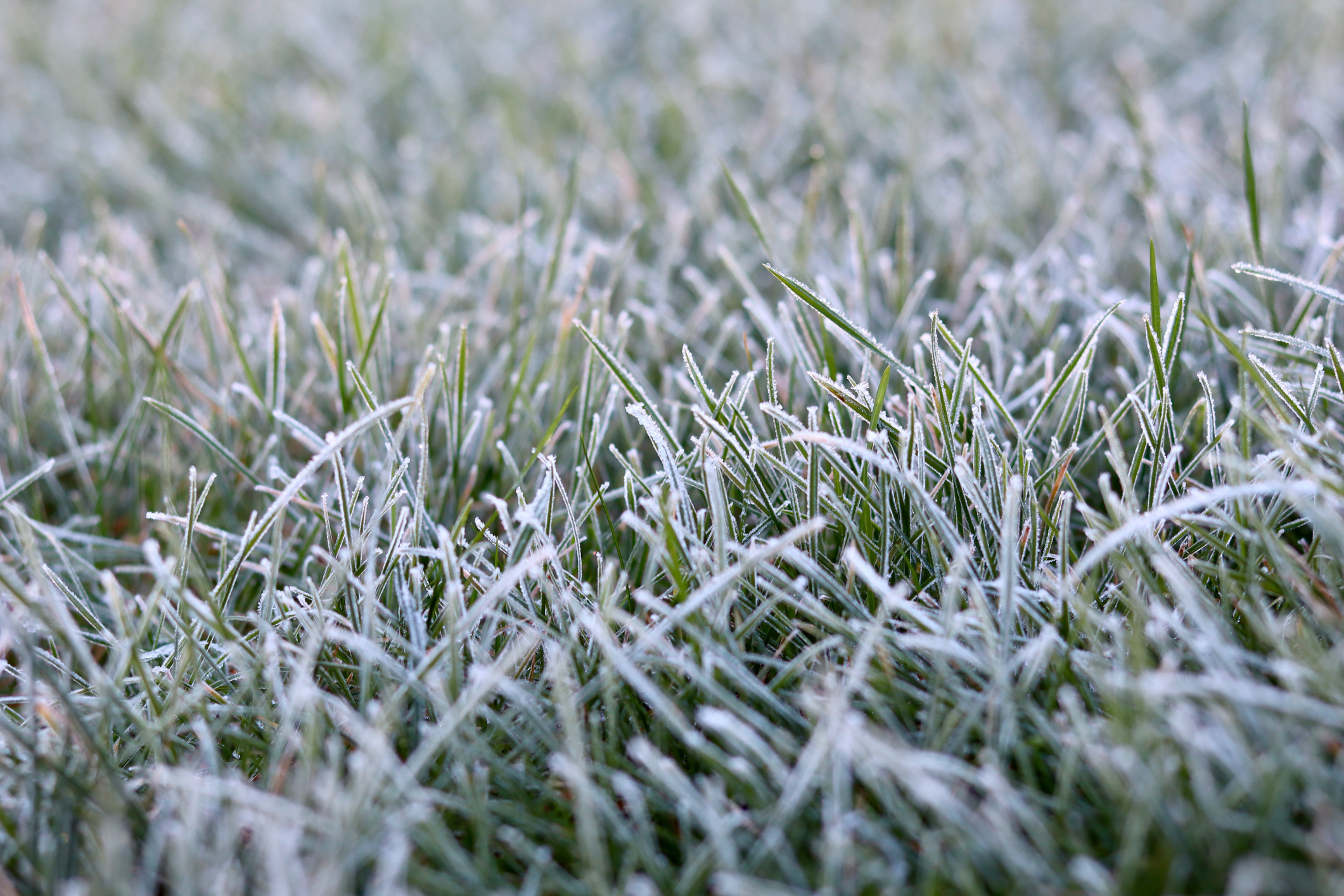
A renewed frost and freeze threat is expected to sweep across large parts of the Midwest and Northeast this week.
AccuWeather meteorologists warn that sensitive plants and early gardens could face “potentially damaging” conditions in as many as 21 states.
The latest cold snap follows weeks of volatile spring temperatures that have brought alternating bursts of warmth and sharp cooldowns across the northern U.S.
Forecasters say chilly Canadian air diving southward will keep temperatures below seasonal averages through at least midweek.
States facing elevated frost or freeze risks include Minnesota, Wisconsin, Michigan, Iowa, Illinois, Indiana, Ohio, Pennsylvania, New York, Vermont, New Hampshire, Massachusetts, Connecticut, Rhode Island, Maine, West Virginia, Missouri, Nebraska, South Dakota, North Dakota and parts of New Jersey.
“The problem with a frost this late in the spring season is the intersection of the cold weather with the growing season,” Accuweather meteorologist Chad Merrill told Newsweek in an email.
“The growing season got underway two weeks early in much of Maryland, eastern West Virginia and Virginia. A hard frost occurred on April 21 that produced significant damage to vineyards and orchards across the Mid-Atlantic.
A second frost expected on May 12 will damage more fruit and some other crops. A hard freeze farther north into Pennsylvania and New York will harm crops that are just starting to grow.”
Why It Matters
The return of freezing overnight temperatures in mid-May threatens gardens, orchards and early-season crops across regions where many residents have already begun planting after brief periods of spring warmth.
Late-season freezes can damage or kill tender vegetation, delay crop emergence and create setbacks for farmers and home gardeners.
The Midwest remains in a particularly sensitive period for corn and soybean planting, according to climate experts.
The colder pattern also continues an unusually turbulent spring across the Midwest and Northeast, where temperatures have swung dramatically between near-summer warmth and conditions more typical of March or early April.
What To Know
AccuWeather said temperatures near or below freezing are expected across a broad swath of the Midwest and Great Lakes early Monday, especially in rural areas away from major cities and large bodies of water.
The threat is expected to shift east by Tuesday morning into the eastern Great Lakes, interior Northeast and Appalachians, including parts of New York, Pennsylvania and West Virginia.
Meteorologists warned that sheltered valleys in northern Ohio, northwestern Pennsylvania and upstate New York could experience a “hard freeze,” where temperatures fall well below 32 degrees Fahrenheit for several hours.
Daytime highs through midweek are expected to remain mostly in the 50s and 60s, roughly 10 to 15 degrees below normal for mid-May.
According to Merrill, the two driving forces behind the rapid temperature changes are a marine heat wave off the West Coast as well as a polar vortex breakdown.
“The battle between the air masses associated with the marine heat wave and polar vortex has been in our spotlight this spring,” Merrill told Newsweek.
What’s Next
Forecasters said the colder pattern should gradually ease later in May, with warmer late-spring conditions expected to develop during the second half of the month.
Merrill added that Memorial Day weekend looks “stormy from Texas to the Ohio Valley.”
“There could be some showers and high elevation snow in the interior Northwest and northern Rockies,” he said.
“It will be warmer than average from the Plains to the Mid-Atlantic and Southeast with near-average temperatures in the Northeast.”
Related Articles