PARIS—French prosecutors are summoning Elon Musk to the French capital again—this time to face preliminary criminal charges in a sprawling investigation into his social-media platform, X.
The new summons, just weeks after Musk didn’t show up for a voluntary interview with French prosecutors, escalates a trans-Atlantic feud over France’s handling of its long-running probe of X. It also underscores a growing divergence between the U.S. and Europe over how—and whether—tech platforms like X should police online speech.
The U.S. Justice Department last month declined to cooperate with the French investigation and called it a “politically charged criminal proceeding aimed at wrongfully regulating through prosecution the business activities of a social media platform.”
That came after a February raid on X’s Paris offices by French law enforcement and prosecutors seeking evidence in their probe.
The investigation, which began in 2025 with allegations of a biased algorithm, has since grown to include charges of violating the secrecy of correspondence, dissemination of child pornography and the creation of sexualized deepfake images by its Grok chatbot.
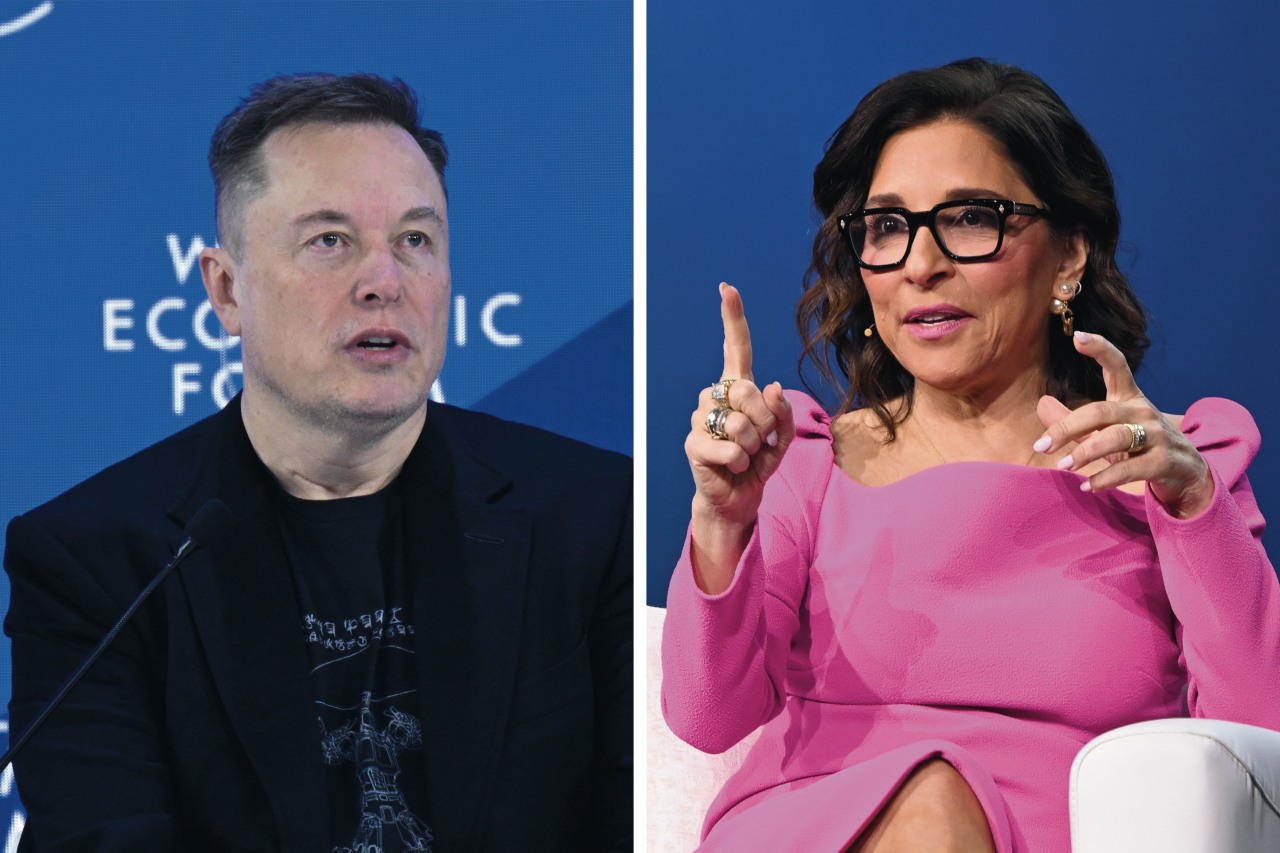
Prosecutors said Thursday that the probe was now an official criminal investigation. They added that Musk is being invited, along with X’s former chief executive, Linda Yaccarino, to respond to preliminary charges against them. If either Musk or Yaccarino fails to appear, they can be slapped with the preliminary criminal charges in their absence, the prosecutors said.
In the French legal system, once preliminary charges have been filed, an investigating magistrate conducts an investigation that can last months or even years before deciding whether to send the accused to trial or drop the case. Preliminary charges are generally delivered in person.
X didn’t immediately respond to a request for comment but previously called the raid an “abusive act of law enforcement theater.”
French prosecutors said Thursday that the goal of their investigation is to push platforms like X to comply with French law when operating in France. The prosecutors haven’t so far sought to arrest or detain Musk or others in connection with its X investigation.
The decision to pursue potential criminal charges against Musk is part of a new pugnacious strategy from cybercrime investigators in the Paris prosecutor’s office in recent years to hold the leaders of tech companies criminally responsible for what happens on their apps.
They issued arrest warrants earlier this year for executives at an Australian video website under investigation. And in 2024, they were involved in the arrest of Telegram founder Pavel Durov as part of an investigation into the chat and social media app’s responsibility for alleged crimes on its platform. Durov was slapped with preliminary charges and denied permission to leave the country for more than six months. Both Durov and Telegram have denied wrongdoing.
Tensions between Europe and the U.S. over tech regulations were already simmering over different approaches to free expression. In Europe, laws in some countries ban certain types of hate speech, like antisemitic posts, that would be legal in the U.S.
In recent years, EU regulators have bolstered their legal arsenal with a new continentwide law that requires large tech platforms to monitor their services for illegal content under threat of heavy fines.
The Trump administration and other U.S. officials have accused the EU of trying to silence dissent. The U.S. imposed visa restrictions on five people it described as “agents of the global censorship-industrial complex.”
European regulators have filed several cases against X. The EU fined the social-media company about $140 million last year for alleged breaches of the EU law related to X’s blue checkmark system. The U.K. and EU have also both opened probes into X over the creation of sexualized images, including of children, created by Grok.
Earlier Wednesday, EU countries and the bloc’s parliament agreed on a provisional deal to ban so-called nudifier tools, which can be used to create explicit images of a person without consent. The rule would ban apps that don’t take measures to block that capability in artificial intelligence image-generation software. The move to ban the tools came in large part in response to the controversy over Grok.
Write to Sam Schechner at Sam.Schechner@wsj.com