Some cheese just melts better than the rest.
Key Takeaways
- Chefs repeatedly named Kerrygold the best cheddar cheese brand for its grass-fed milk, traditional cheesemaking methods, and complex flavor.
- Block cheddar usually performs better than shredded. Pre-shredded cheese often contains anti-caking agents that affect melting, while freshly grated cheddar melts and tastes better.
- Grass-fed cheddar may offer both flavor and nutrition advantages. Milk from pasture-raised cows often contains higher levels of beta-carotene and omega-3 fatty acids, compounds linked to heart health and reduced inflammation.
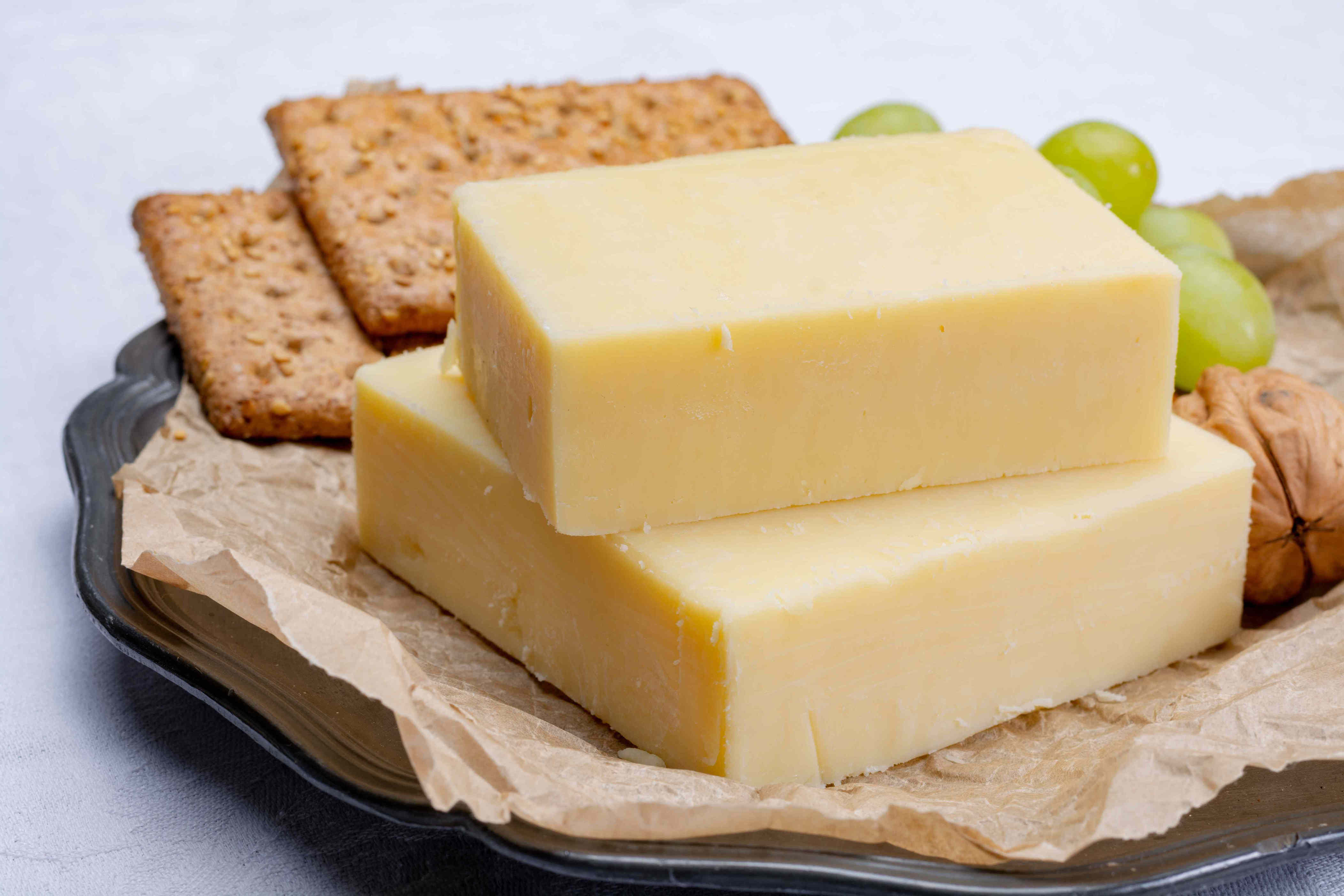
As the old adage goes: Not all cheddar cheese is created equal. Some grocery store options are sharp and creamy, while others taste bland or overly processed. With so many brands to choose from in the dairy section, it can be surprisingly difficult to know which one is actually worth buying again and again.
To make the choice easier, we asked professional chefs to name the best cheddar cheese brand you can buy at your local supermarket. Perhaps unsurprisingly, all the chefs pointed to the same one. Ahead, they share what to look for when buying cheddar cheese, as well as the option they trust the most and why.
Meet the Experts
- Jennie Alley, chef and senior recipe developer for Budget Bytes
- Adam Gallagher, recipe developer and co-founder of Inspired Taste
- Cheryl McColgan, recipe developer and founder of Heal Nourish Grow
- Jess Rice, chef and recipe development manager for Budget Bytes
What to Look for When Buying Cheddar Cheese
Unfortunately, cheddar cheese is not all made the same way. Here are a few tips from chefs for spotting a high-quality option that's worth your money.
Evaluate the Ingredients
As always, it’s helpful to scan the ingredient label before buying anything. “Typically, the fewer ingredients I see, the better when it comes to cheeses,” says Jess Rice, chef and recipe development manager for Budget Bytes. “Milk, salt, cultures, rennet or enzymes all get a green light from me, but when I start seeing natamycin, cellulose, whey protein concentrate, sorbic acid/potassium sorbate, or words like ‘cheese product', 'pasteurized process cheese', or 'cheese food', I look elsewhere.”
Consider the Country of Origin
While great cheddar can come from many places, some countries have stronger cheese-making traditions than others. “Check the country or region of origin, since European cheeses (particularly Irish and French) tend to come from grass-fed herds by default,” says Cheryl McColgan, recipe developer and founder of Heal Nourish Grow. “Don't be afraid to buy a smaller amount of a higher-quality cheese rather than a large block of something mediocre. You'll get more flavor per bite, and likely fewer calories, too, since you'll be more satisfied by the flavor and richness.”
Double Check the Sell-by Date
No one wants to eat expired or moldy cheese, unless of course it’s supposed to have mold on it. “I make sure to check the sell-by date, so I have plenty of time to use the cheese at home,” says Adam Gallagher, recipe developer and co-founder of Inspired Taste. “Pay attention to how the cheese is wrapped; tightly sealed packaging helps protect flavor and prevent drying out.”
Choose Block Cheese Over Shredded
Shredded cheddar cheese is definitely more convenient, but a couple of the chefs recommend buying blocks instead. “Pre-shredded cheese is coated with anti-caking agents like cellulose or potato starch to keep it from clumping,” McColgan explains. “Those coatings can prevent the cheese from melting smoothly and add unnecessary ingredients.” To her, block cheese melts cleaner, tastes fresher (more surface area exposed means faster flavor loss in shredded form), and is usually more economical per ounce. “It takes 30 seconds to grate, and the difference is noticeable,” McColgan says.
Gallagher agrees that shredding block cheese is worth it for both flavor and flexibility in the kitchen. “I almost always choose block cheese over shredded cheese,” he shares. “It tastes fresher and has a creamier texture. When I grate cheese myself, it melts and stretches better, and I can decide exactly how I want it cut. You can slice, cube, or shred your cheese when you have the block, so it’s just more useful in the kitchen.”
The Best Grocery Store Cheddar Cheese, According to Chefs
When we asked professional chefs to name the best cheddar cheese at the grocery store, one brand kept coming up: Kerrygold. “When I’m shopping for cheddar cheese, I usually reach for either Kerrygold or Tillamook,” says Gallagher. “Kerrygold’s dairy comes from grass-fed cows, so their cheddar is buttery and melts nicely. Both are easy to find in stores, and their flavors never disappoint.”
The main appeal of Kerrygold is the quality of the milk used and the way the cheese is made. “As a self-proclaimed nerd for quality ingredients, I prefer to reach for grass-fed cheeses when creating a new recipe or putting together a cheese board,” says Rice. “Kerrygold specifically follows older cheesemaking traditions, which rely on longer aging times and minimal processing. In my opinion, a pasture-based diet for cows produces a more complex, vegetal, buttery flavor than most non-pasture-fed dairy products.”
The complex flavor is enough to make this cheese stand out, which, of course, is due to the cows being grass-fed. “I love Kerrygold cheese because the quality and taste are extraordinary, with its unique combination of savory, sharp, and sweet flavors. You'll even get a hint of butterscotch! ” says Jennie Alley, chef and senior recipe developer for Budget Bytes. “You can truly taste and see the difference with this premium brand, since it’s always made from the milk of grass-fed cows in Ireland. This results in a naturally rich, creamy texture and a deeper yellow color due to high beta-carotene levels.”
Beyond elevated beta-carotene levels, grass-fed dairy also contains more of other important nutrients. “Kerrygold is one of the few cheeses I genuinely keep as a staple, and the grass-fed sourcing is a big part of why. Because it comes from grass-fed cows, it has a noticeably richer, more complex flavor than conventional cheese, and there's real nutritional substance behind that,” says McColgan. She points to research showing that grass-fed dairy has significantly higher levels of omega-3 fatty acids and conjugated linoleic acid (CLA) compared with conventional dairy. These are beneficial fatty acids consistently linked to better heart health and reduced inflammation.
Top Kerry Gold Cheddar Flavors
As for the type of cheddar, there are a couple of different flavors the chefs reach for. “I almost always pick up a package of Kerrygold’s Aged Cheddar Cheese,” says Gallagher. “I love the rich flavor and texture. Dubliner is amazing, too. It’s perfect for melting, and I love the texture with tiny little crystals left in the cheese. It’s one of my favorite snacking cheeses!’
Other chefs prefer their cheddar on the sharper side. “My favorite cheese they offer is the Reserve Cheddar, as its flavor is extra sharp and intense, but still smooth and creamy,” says Alley. “I always have this one ready for a cheese board since it goes so well with everything from green apples to savory meats and crusty baguettes. This cheese is also great in grilled cheeses or stirred into mac and cheeses.”
Read the original article on Real Simple