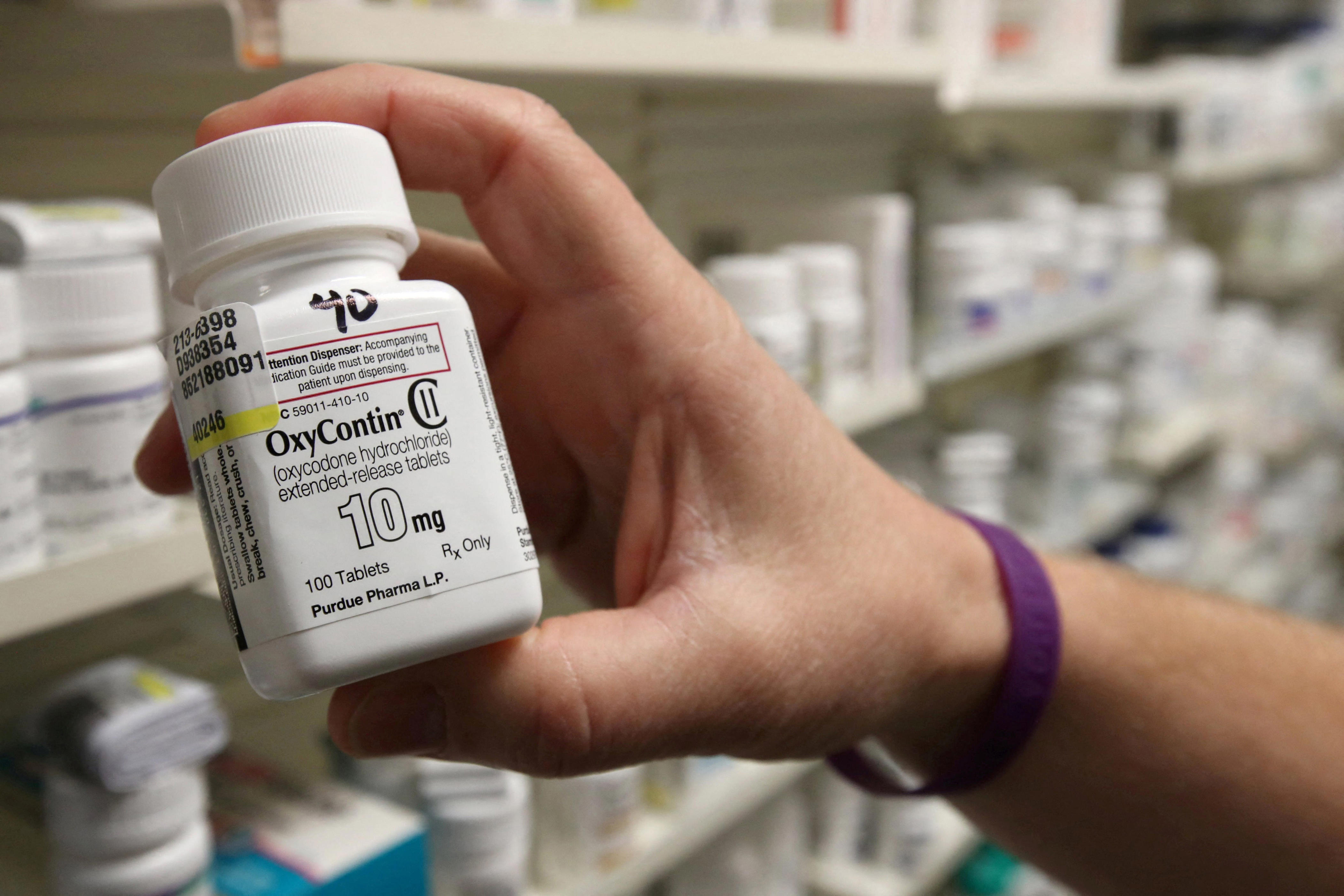
Purdue Pharma, the bankrupted drug manufacturer at the center of the nation’s yearslong opioid epidemic, shut down May 1.
The closure is part of a $7.4 billion deal reached after Purdue and the Sackler family, which privately owned the company, settled thousands of lawsuits filed by victims and several states to try to address harm caused by the drugs. Between 1999 and 2023, the Centers for Disease Control and Prevention estimated about 806,000 people died from opioid overdoses, using prescriptions such as Purdue's OxyContin and illegal opioids, seen prominently with fentanyl.
Purdue filed for bankruptcy in 2019, and the company's bankruptcy plan went into effect May 1, nearly six months after a federal judge approved the settlement. The bankruptcy plan requires Purdue cease operations to form a new public benefit corporation called Knoa Pharma, which is run by a nonprofit foundation.
Start the day smarter. Get all the news you need in your inbox each morning.
“Under the Sacklers’ control, Purdue developed, manufactured, and then misleadingly marketed its deadly opioids, destroying lives and communities across the country,” New York Attorney Letitia James, a Democrat, said in a statement. “This company that put profits over people for decades is now shut down forever.”
All members of the Sackler family are barred from selling opioids in the United States and have no role in Knoa, according to the New York attorney general's office, which launched a multistate investigation into Purdue in 2016 alongside other state attorneys general.
After the Supreme Court in 2024 threw out an initial settlement agreement, Purdue and the Sacklers are now ordered to pay billions for the effects of the crisis.
The first payment, issued May 1, requires Purdue to pay about $900 million and the Sacklers to pay $1.5 billion, James’ office said. Following years will require the Sacklers to pay about $1.4 billion through May 2029.
Missouri, which sued Purdue in 2017, is set to receive more than $91 million from the settlement over the next 15 years. In a statement, Valerie Huhn, director of the state Department of Mental Health, said the settlement dollars are “extremely important to support the public health responses like expanded treatment and prevention programs.”
Knoa plans to manufacture medications, including opioids, but officials said the company will have oversight by an independent monitor. The company cannot lobby or advertise opioid products.
Structured as a nonprofit, the company has to disperse excess revenue beyond operating expenses to state, local and tribal governments to support opioid abatement. In a news release, Knoa said the efforts would include initiatives to provide overdose reversal and opioid use disorder medications at no profit.
“Knoa Pharma’s unique model ensures that the company’s resources directly support public health,” Dr. Paul Rothman, chair of the Knoa Foundation’s board of trustees, said in a statement, adding the company “is committed to providing care and saving lives most affected by the opioid crisis.”
On April 28, a New Jersey federal court sentenced Purdue to pay criminal penalties totaling over $5 billion for its role fueling the opioid epidemic.
“Purdue Pharma put profits over patient health and safety,” Acting U.S. Attorney General Todd Blanche said in a statement.
American officials declared the opioid epidemic a public health emergency in 2017. The health research nonprofit KFF said overdose deaths increased leading up to and during the COVID-19 pandemic, but have declined since mid-2023.
Eduardo Cuevas is based in New York City. Reach him by email at emcuevas1@usatoday.com or on Signal at emcuevas.01.
This article originally appeared on USA TODAY: Opioid maker Purdue Pharma shuts down as part of $7.4 billion deal