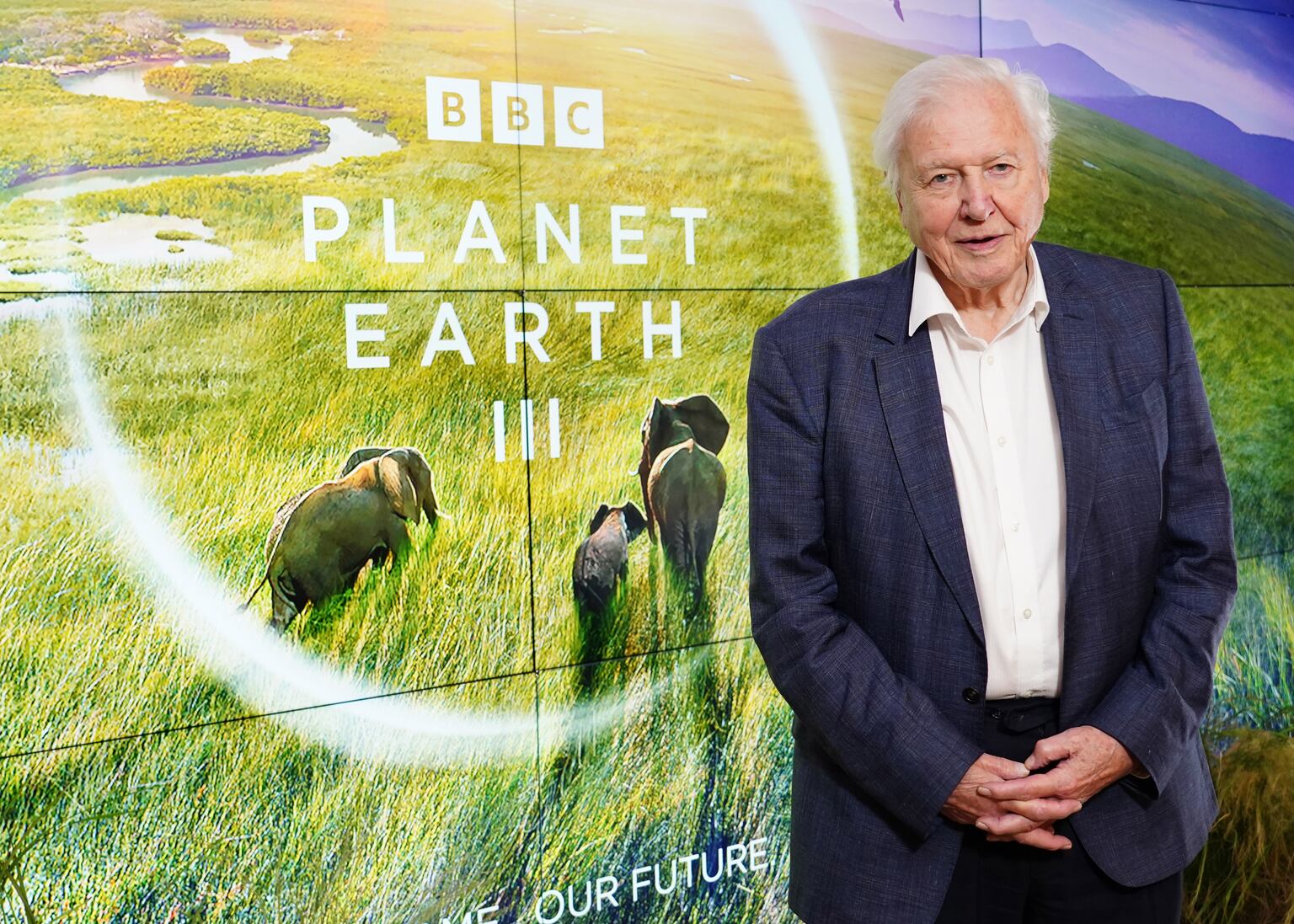
The nation’s favourite broadcaster, natural historian and environmental advocate Sir David Attenborough will celebrate his 100th birthday next month on May 8, marking a remarkable seven-decade career that has defined natural history storytelling and reshaped humanity’s understanding of the planet.
To celebrate this incredible milestone, the BBC has announced a week of special programming featuring both classic and new works by the iconic presenter. Among them is a new documentary, Making Life on Earth: Attenborough’s Greatest Adventure, which offers a behind-the-scenes look at the groundbreaking Life on Earth series which first aired in 1979.
While life expectancy has steadily increased over the past two centuries, reaching 100 still remains an extraordinary feat, and one that continues to spark curiosity and speculation about the secrets to a long life.
Longevity has become an increasing popular health trend and one that Dr Mohammed Enayat, GP and founder of the London-based longevity clinic HUM2N, defines as “an approach that seeks to have your health working for you for as long as possible to ultimately give you the best quality of life for as long as possible.”
He notes that longevity medicine is all about putting interventions in place to prevent the decline, deterioration, dysfunction and disease which is frequently associated with ageing.
“It helps identify the processes within you that we need to work on sooner so we can put interventions in place such as supplementation, nutrition, lifestyle modifications, behavioural changes, education, and sometimes smart therapies as well,” explains Enayat.
Here are some key areas of your life that the doctor recommends focusing on if you want to boost your own chances of living to 100…
Regular exercise
“Movement is a very important pillar of health because we need to make sure we put our body through enough energy expenditure requirements so that it can stay metabolically healthy, but also maintain muscle mass and function of the musculoskeletal system,” explains Enayat.
To maintain these important functions well into our later years, the GP advises longevity seekers to prioritise breaking a sweat during exercise.
“Try and break a sweat a couple of times a week, because if you’re not breaking a sweat, you’re not using your body to its capacity or training your cardiovascular system and metabolic system to draw on energy quickly,” says Enayat.
He also recommends on focusing the muscles in your posterior chain.
“Try and work out your glutes, your hamstrings and your core to maintain muscle activation and muscle size,” advises Enayat. “You could do some planks, squats or ball sits.”
Avoid stress
Chronic stress can have detrimental impacts on our health.
“Stress drives a massive inflammatory response in the body,” says Enayat. “It can dysregulate our blood sugar and make us insulin resistance, which causes downstream effects.
“Stress depletes our stress hormones, which then can cause thyroid and other hormone imbalances, and can also affect our digestive tract and stop us efficiently digesting and absorbing our nutrients. This is all in the short term, so you do that cumulatively, you will find that your orchestral balance will be a disaster internally.”
Therefore, he suggests developing tools to help with stress regulation.
“I think it’s really important to try and develop some self-awareness about what drives you to mount a stress response and might cause you to be breathless, have racing thoughts and racing heartbeats,” says Enayat. “Develop tools – such as breath work, meditation, prayer or gratitude – to bring your nervous system back to balance.”
Sleep well
“Lots of good things happen in our sleep that help us live longer and healthier,” says Enayat. “For example, we produce T-cells that help regulate our immune system and produce stem cells that stimulate regeneration and release of growth factors during the deep sleep phase.”
Therefore, from a longevity perspective, he recommends implementing lifestyle changes that will help improve your deep sleep.
“Try to avoid stimulation too late at night, particularly blue light,” recommends Enayat. “Avoid eating too late because your digestion keeps you up and avoid alcohol because it keeps prevents you from getting into a deep sleep.”
Making adjustments to your sleeping environment might also help.
“Blackout blinds can be good and studies show that cooler environments can help promote deep sleep,” says Enayat.
Good nutrition
“What we consume through our diet is really important because with bad diet comes inflammation, hormonal imbalance and metabolic dysfunction,” says Enayat. “When you put all those effects together, it becomes a melting pot for chronic diseases such as diabetes, cardiovascular disease and stroke risk.
“My top tip around nutrition is to use food as fuel or food as medicine, rather than food as comfort. I would also recommend eating whole foods rather processed foods and to make sure you have adequate protein in your diet, good vegetable intake, and some healthy fats .”
Community and purpose
“Outside of the main pillars of health are some indirect drivers of health and disease, which includes a sense of purpose and community,” says Enayat. “Attenborough is definitely someone who has a clear sense of purpose, a clear value system and really understands community.
“Talking to each other and sharing experiences with neighbours, family and friends can help people stay active, regulate their nervous system, find purpose and find motivation to start their day. Having people to support you through difficult moments that we all face is really important for improving quality of life.”