
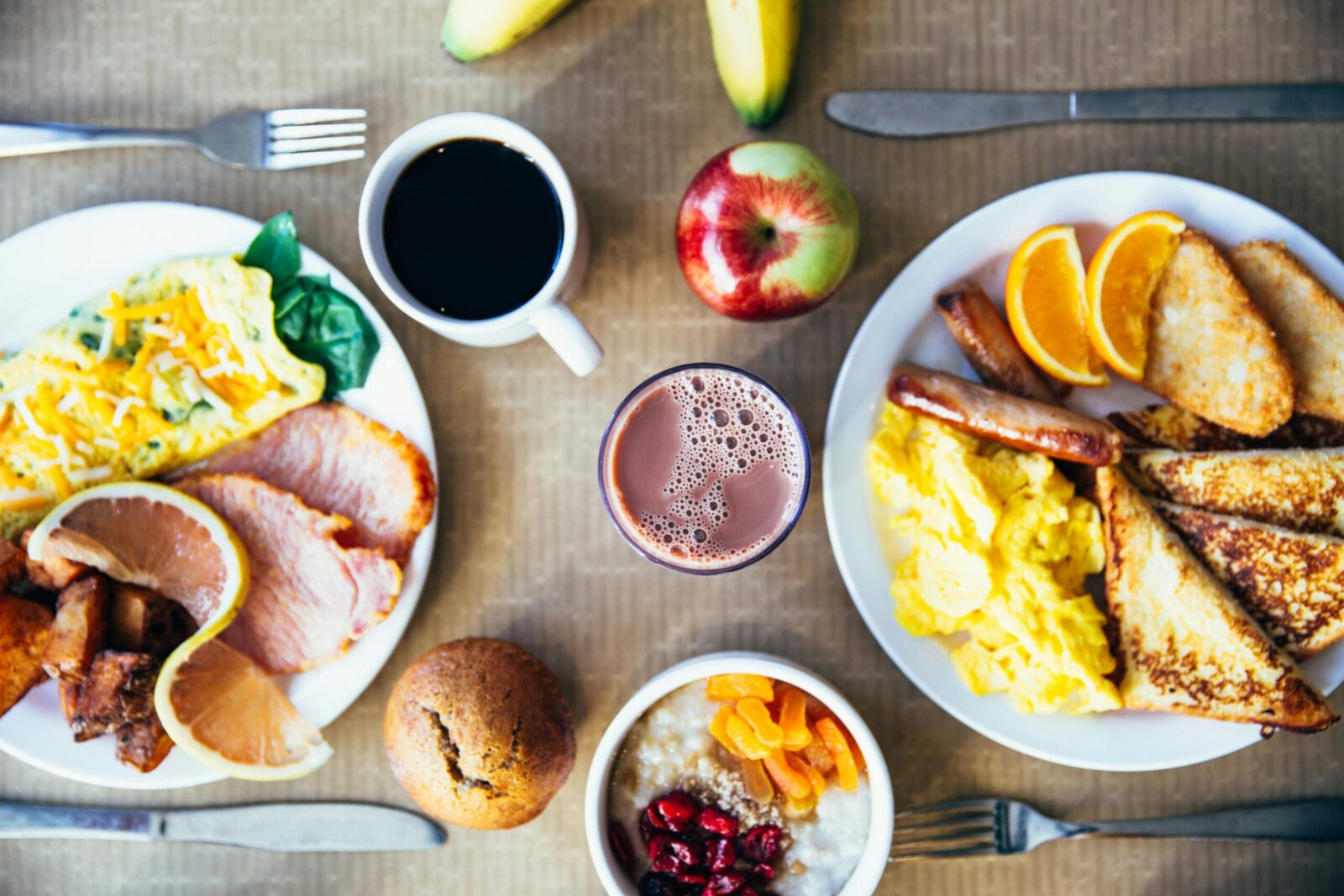
American food culture is famous worldwide thanks to movies, television, and international fast-food chains that have spread images of burgers, colorful desserts, and oversized meals across the globe. Because of this global exposure, many foreign travelers arrive in the United States expecting unforgettable culinary experiences built around bold flavors and iconic dishes. The reality can sometimes feel different from those expectations. Certain foods that look exciting in advertisements or pop culture may taste surprisingly ordinary, overly sweet, or heavily processed when visitors try them for the first time. Cultural differences in cooking traditions also play a role, since many countries emphasize fresh ingredients, regional techniques, and long-established recipes that shape how people judge flavor and quality. When travelers encounter American foods designed for convenience, mass production, or shelf stability, the contrast can feel disappointing. This does not mean American cuisine lacks creativity or diversity, because regional cooking traditions across the country are rich and influential.
White Sandwich Bread
Mass-produced white sandwich bread is often one of the first foods that surprises foreign visitors in the United States. Industrial sliced bread became widely popular during the early twentieth century, especially after companies like Wonder Bread began nationwide distribution in 1921 using modern baking and packaging technology. The product was designed to be extremely soft, uniform, and convenient for everyday sandwiches, which quickly made it a staple in American households. However, many international travelers come from countries where bread is crusty, dense, and made using slower fermentation methods that create complex flavors. When they taste American supermarket bread, they often notice a mild sweetness caused by added sugar or corn syrup used to improve flavor and extend shelf life. The texture can also feel unusually airy and delicate compared with traditional European or Middle Eastern breads that have firmer structures. Because the bread is produced in large industrial bakeries rather than small artisanal shops, it sometimes lacks the rich taste that develops during longer baking processes.
Spray Cheese
Spray cheese is another product that frequently leaves international visitors both curious and confused. The most recognizable version, Easy Cheese, was introduced in 1965 by the Nabisco company as a convenient snack that could be dispensed directly from an aerosol can. The idea was designed around novelty and portability, allowing people to apply processed cheese onto crackers or appetizers without using knives or refrigeration for short periods. While the product became a familiar party snack in the United States, many travelers encounter it with very different expectations about what cheese should be. In many parts of the world, cheese is associated with careful aging processes that can last months or even years, producing rich flavors and distinctive textures. Spray cheese, however, is made from processed cheese blends combined with oils, stabilizers, and emulsifiers that allow it to maintain a smooth consistency when pushed through the nozzle. The result tastes milder and more artificial than traditional cheeses like cheddar, gouda, or parmesan.
Root Beer
Root beer is a classic American soda with a long history, yet it is one of the beverages most likely to confuse foreign visitors. The drink developed during the nineteenth century from herbal beverages made with ingredients such as sassafras root, wintergreen, vanilla, and licorice, which were brewed into sweet, aromatic drinks. Commercial bottling expanded in the late 1800s, and brands like A&W helped popularize root beer nationwide after the company was founded in 1919. Americans often associate the flavor with nostalgia, especially when served in a traditional root beer float, a dessert invented in 1893 that combines the soda with vanilla ice cream. Despite its popularity in the United States, many international travelers react negatively to the taste during their first sip. The reason is largely cultural, because some of the same wintergreen and herbal flavor compounds used in root beer are commonly found in medicinal products in other countries. People from those regions may associate the flavor with cough syrup, toothpaste, or medicinal balms rather than soft drinks.
American Chocolate
Many international visitors are excited to try American chocolate because the United States is home to famous brands that are widely exported and featured in movies and pop culture. However, the taste often surprises travelers who are used to European chocolate traditions. One reason is the production method used by major American manufacturers since the early twentieth century. Companies such as Hershey developed large-scale chocolate processing in Pennsylvania beginning in 1900, focusing on affordable mass production rather than small-batch craftsmanship. During this process, milk is treated in a way that can create small amounts of butyric acid, a compound that contributes a slightly tangy flavor. While many Americans grew up with this taste and consider it normal, people from countries like Switzerland, Belgium, or France often find it unusual or even unpleasant. Those countries typically produce chocolate with higher cocoa content and smoother flavor profiles using traditional conching methods developed in the late nineteenth century.
Pancake Syrup
Breakfast pancakes are often imagined by visitors as a classic American dining experience, especially after seeing them in films and television shows stacked high with butter and syrup. Pancakes themselves have a long history in North America, but the syrup commonly served with them in restaurants is not always what travelers expect. While real maple syrup has been produced in northeastern regions such as Vermont and Quebec for centuries, most diners and supermarkets in the United States serve a cheaper alternative known as pancake syrup. This product became widely available during the mid twentieth century as companies developed syrups made from corn syrup, artificial maple flavoring, and caramel coloring to imitate the taste of natural maple syrup. Because it is far less expensive and easier to produce, it became the standard topping in many restaurants. Visitors who are familiar with authentic maple syrup, which is made by boiling sap from maple trees harvested each spring, often notice that pancake syrup tastes much sweeter and lacks the complex woody flavor of the real product.
Giant Portion Burgers
Hamburgers are one of the most recognizable foods associated with the United States, and many travelers look forward to trying an authentic American burger during their visit. The hamburger itself has roots in German immigrant cooking traditions from the nineteenth century, but it became widely popular in America during the early twentieth century with the rise of diners and fast-food restaurants. Today, many restaurants promote extremely large burgers as a symbol of American indulgence, sometimes stacking multiple patties, thick slices of cheese, bacon, and heavy sauces into a single sandwich. While the dramatic presentation can look impressive, foreign visitors sometimes find the experience overwhelming rather than enjoyable. The size of the burger can make it difficult to eat comfortably, and the strong combination of sauces and toppings can overpower the flavor of the meat. In many countries, burgers are served in smaller portions with simpler ingredients that allow the taste of the beef to stand out.
Sweet Iced Tea
Sweet iced tea is a drink strongly associated with the southern United States, where it became popular during the late nineteenth century as a refreshing beverage for hot climates. Early printed recipes for sweet iced tea appeared in American cookbooks during the 1870s, and by the early twentieth century it had become a staple across states such as Georgia, Alabama, and South Carolina. The drink is traditionally prepared by brewing black tea and adding large amounts of sugar while the tea is still hot so that it dissolves completely before chilling. While many Americans enjoy its rich sweetness, foreign visitors often find the drink surprisingly sugary compared with tea traditions in other countries. In places like the United Kingdom, China, or India, tea is typically consumed hot with little or no sugar, allowing the flavor of the tea leaves to stand out. When travelers try sweet iced tea in the United States, the high sugar content can feel overwhelming and mask the natural taste of the tea itself. Because of this strong sweetness, some visitors see the drink less as tea and more as a sugary soft drink.
Corn Dogs
Corn dogs are a classic American fairground food that often attracts curious tourists visiting carnivals, amusement parks, or sporting events. The dish consists of a hot dog sausage coated in a thick cornmeal batter and deep fried until golden brown, then served on a wooden stick. The concept became popular in the United States during the 1940s, especially after vendors began selling them at large events such as state fairs and festivals where portable foods were in high demand. While Americans often associate corn dogs with nostalgic childhood memories, visitors from other countries sometimes struggle to understand the appeal. The combination of a processed sausage and sweet corn batter can feel unusual to people who are accustomed to simpler grilled meats or freshly baked bread. The deep-fried coating can also make the snack feel heavy or oily compared with street foods in other cultures. Because corn dogs are typically eaten quickly at crowded events rather than served in restaurants, they can seem more like novelty snacks than serious culinary dishes, which contributes to mixed reactions among international travelers.
Frosted Breakfast Cereals
Brightly colored breakfast cereals covered in sugar glaze are a familiar part of American grocery store shelves, yet they often surprise visitors from countries with different breakfast traditions. Many of these cereals were introduced during the mid twentieth century when companies began marketing convenient packaged breakfast foods to busy families. Products such as Frosted Flakes, introduced by Kellogg’s in 1952, became widely popular due to aggressive advertising campaigns aimed at children. While they are designed to be eaten with milk as a quick morning meal, the high sugar content can shock travelers who are used to breakfasts built around bread, eggs, yogurt, or fresh fruit. In many countries, breakfast foods are less sweet and focus more on savory flavors or simple grains. When visitors pour a bowl of brightly colored cereal and taste the sugary coating, the meal can feel closer to dessert than breakfast. Although these cereals remain popular with American families because of their convenience and nostalgic branding, international travelers often view them as excessively sweet compared with typical morning foods in their own cultures.
Overloaded Milkshakes
Milkshakes have been a part of American dining culture since the early twentieth century, originally appearing in soda fountains where ice cream, milk, and flavored syrups were blended into thick drinks. Over time, the milkshake evolved from a simple dessert into a dramatic visual centerpiece at many modern restaurants and dessert shops. In recent years, some establishments have become famous for creating “overloaded” milkshakes topped with whipped cream, candy bars, cookies, and even slices of cake stacked above the glass. While these creations look impressive in photographs and social media posts, many foreign visitors find them difficult to enjoy as an actual drink. The extreme sweetness and large portion size can quickly become overwhelming, and the combination of multiple desserts in one glass often masks the simple flavor of ice cream and milk that defines a traditional milkshake. In countries where desserts tend to be smaller and less sugary, these elaborate American milkshakes can feel excessive rather than indulgent.
Keep reading on The WiC Project Lifestyle Blog & Miriam's Boutique: Home Goods, Beauty, & Fashion Store